
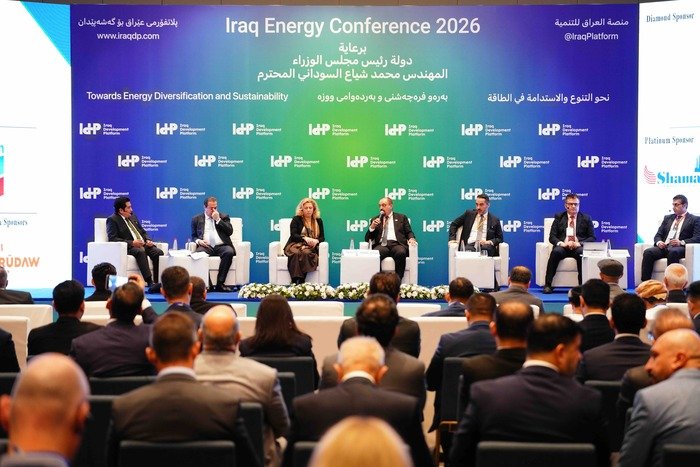
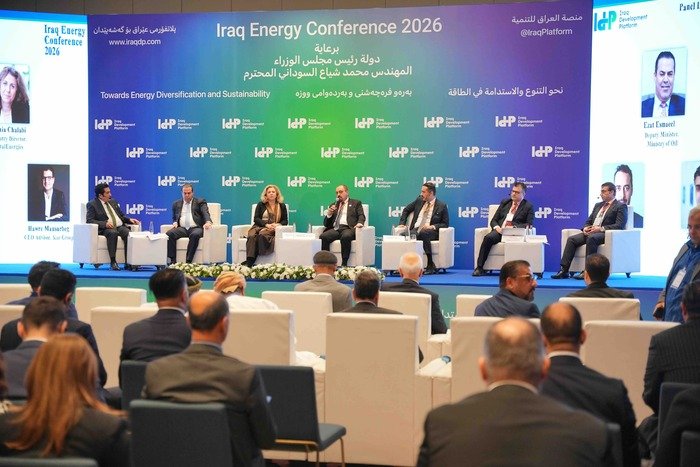
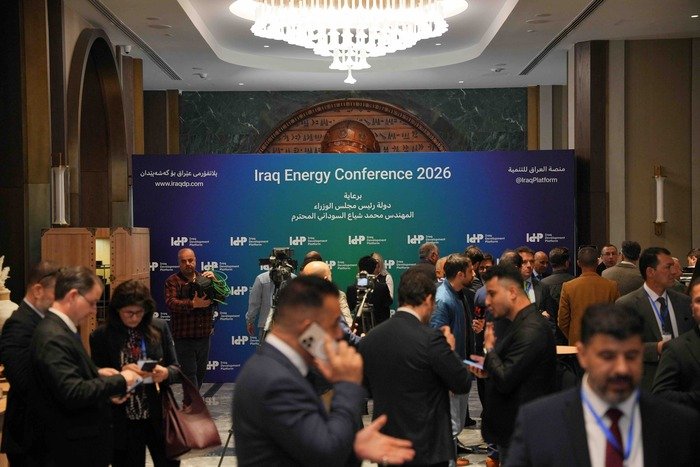
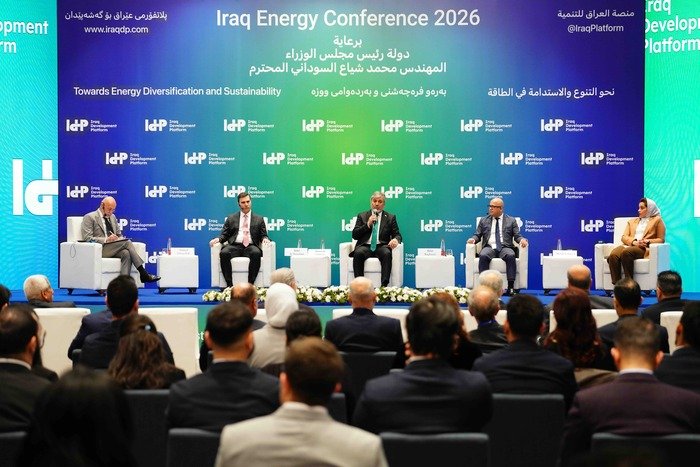
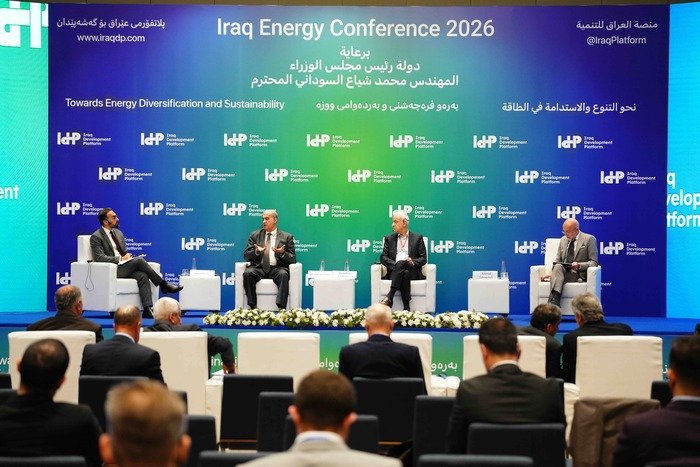
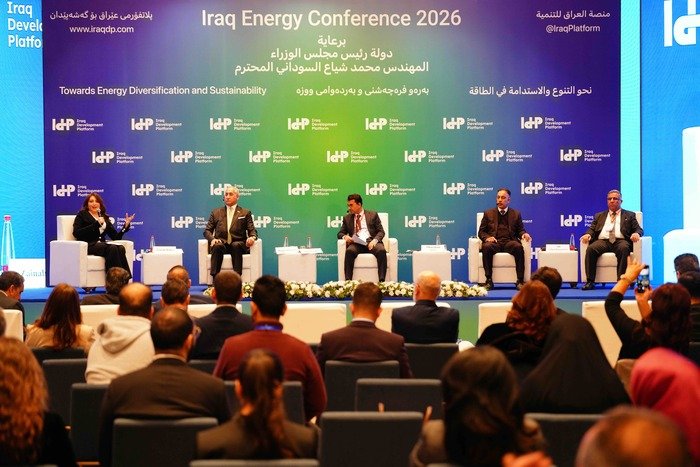
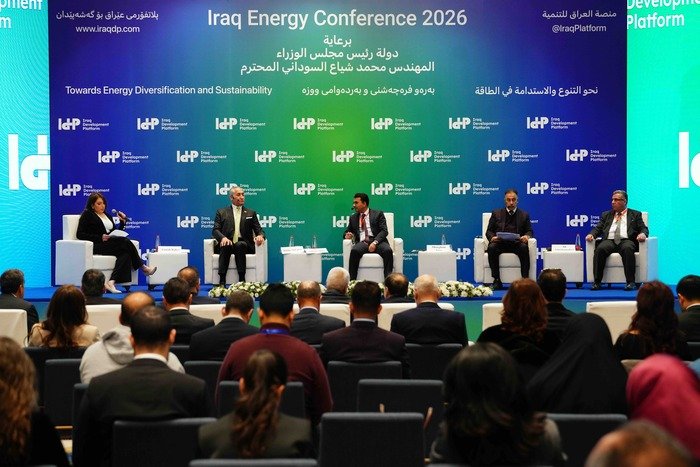
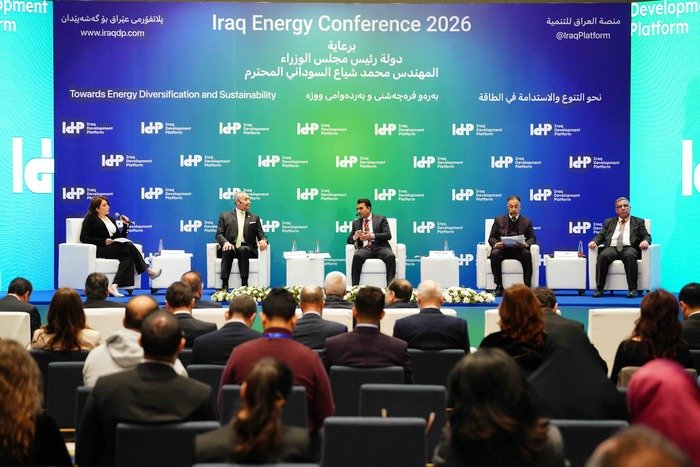
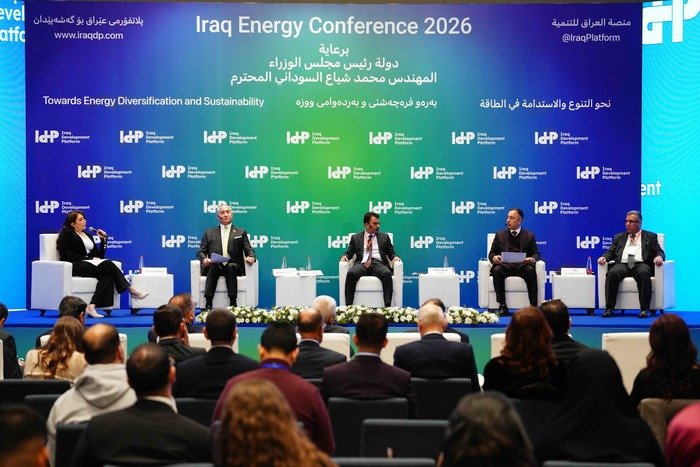
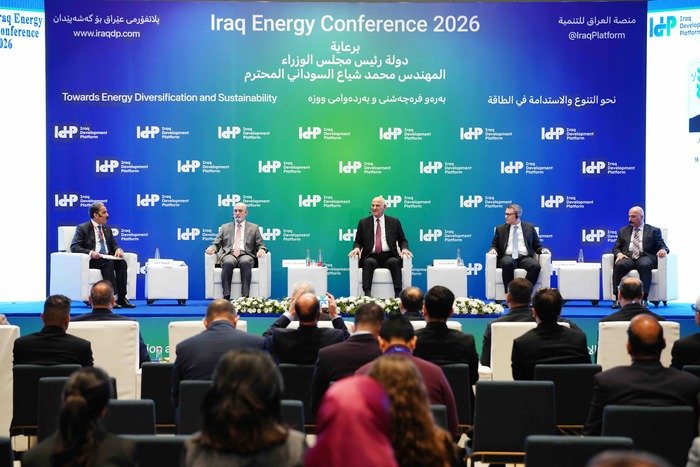
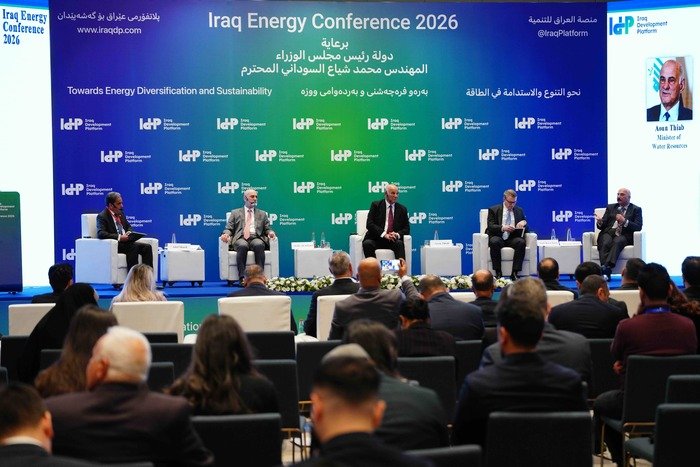
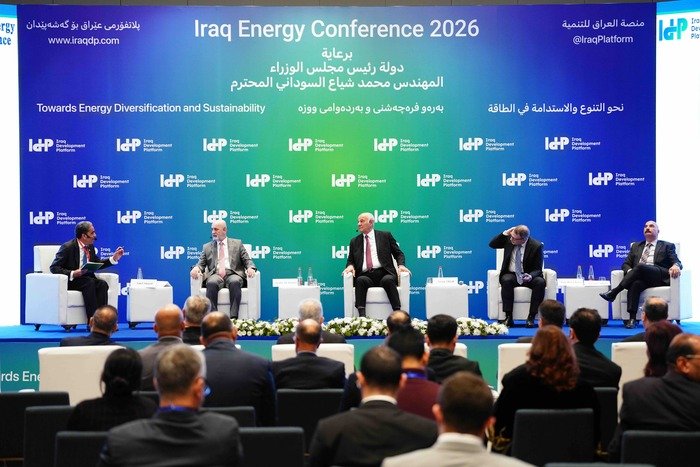
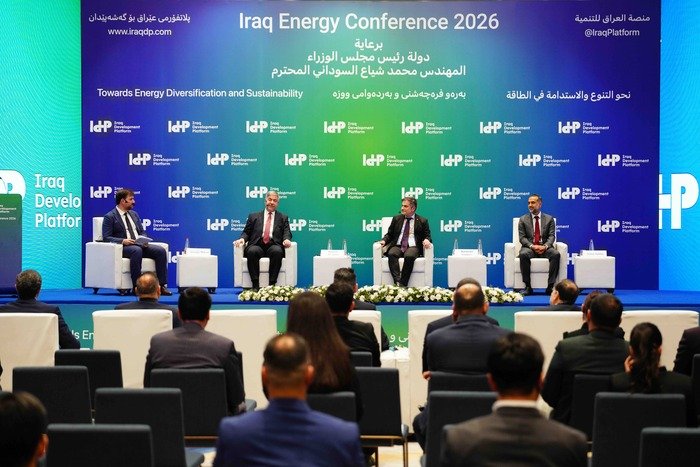
Iraq Energy Conference 2026
28 - 29 January 2026 | Mövenpick Hotel | Baghdad
Under The Patronage Of HE The Iraqi Prime Minister
In Collaboration With SOMO Company
"Towards a Diversified, Sustainable Iraq"
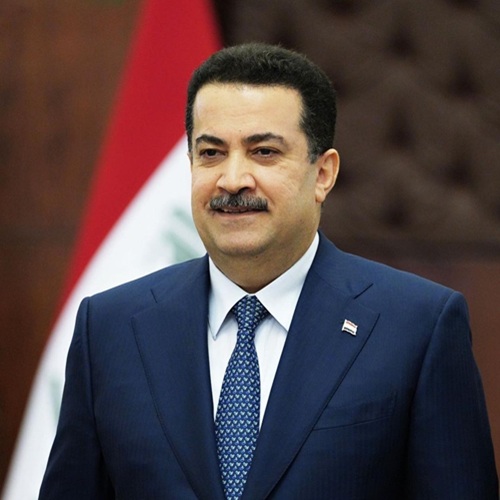
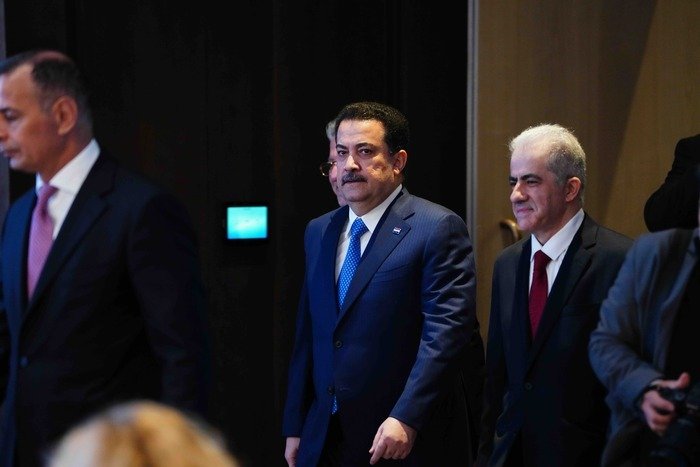
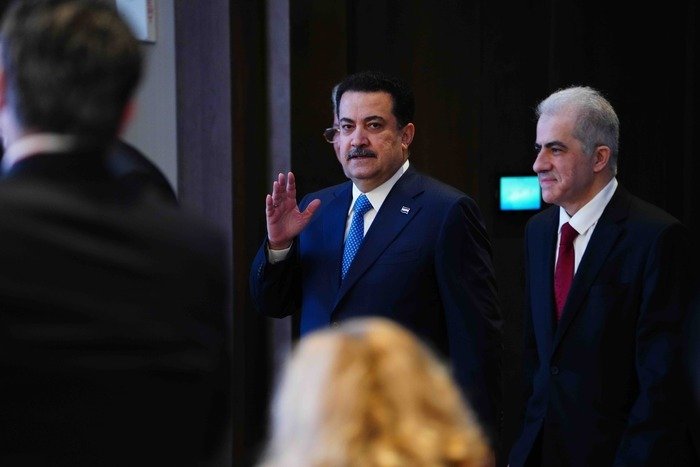
Mohammed Shia' Al-Sudani
Iraqi Prime Minister
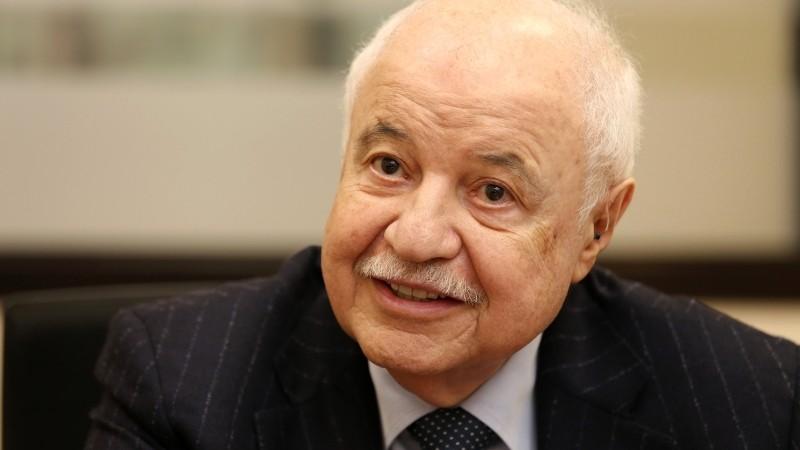
Talal Abu Ghazaleh
Chairman, TAG-Org
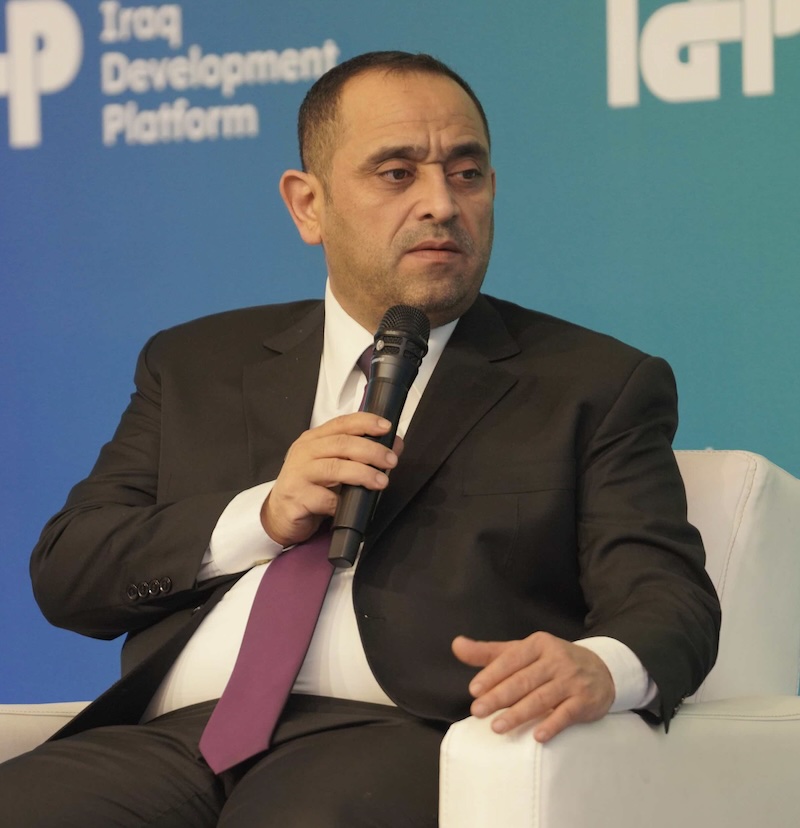
Ziad Ali Fadhil
Former Iraqi Minister of Electricity
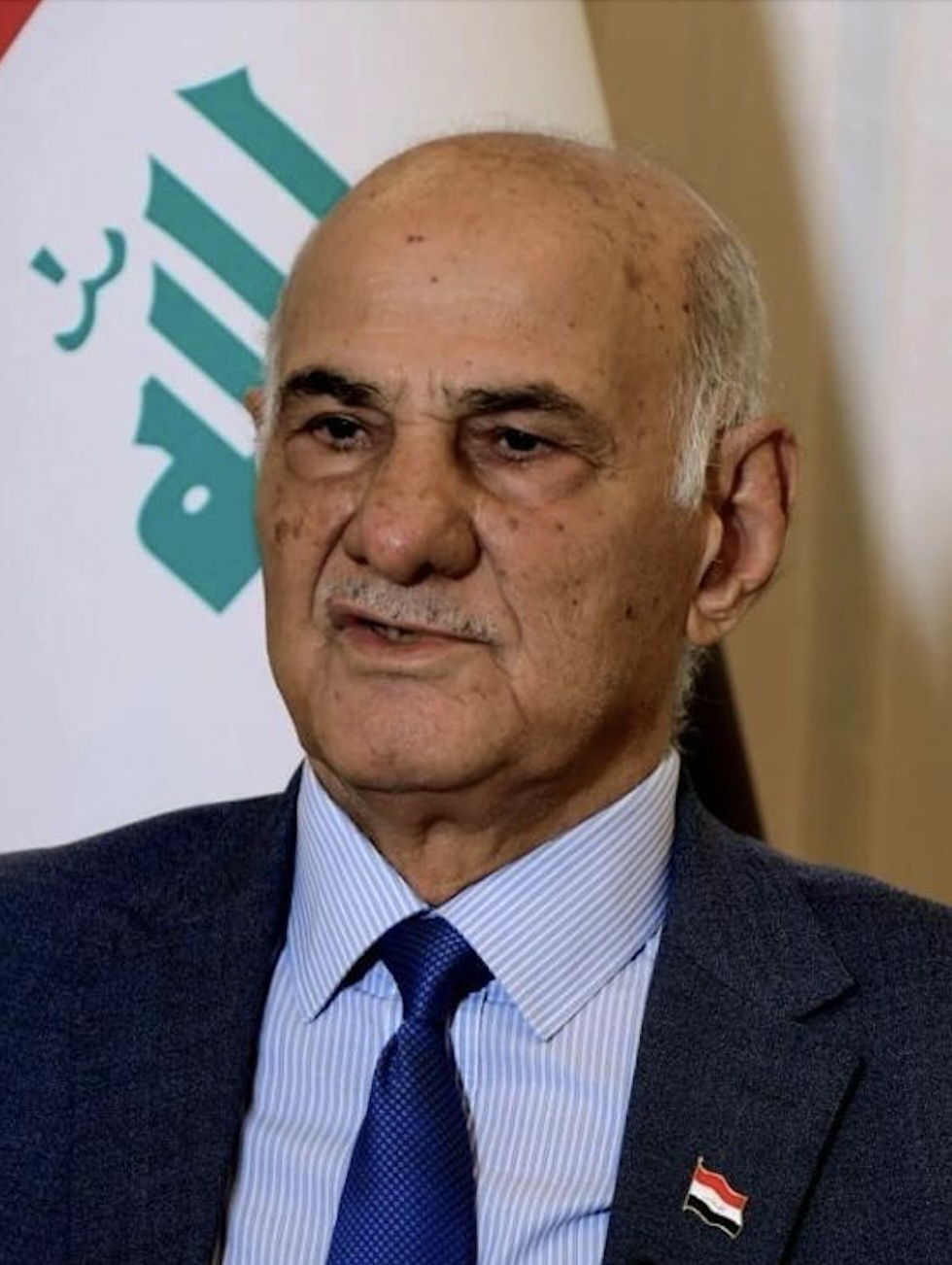
Aoun Diab
Iraqi Minister of Water Resources
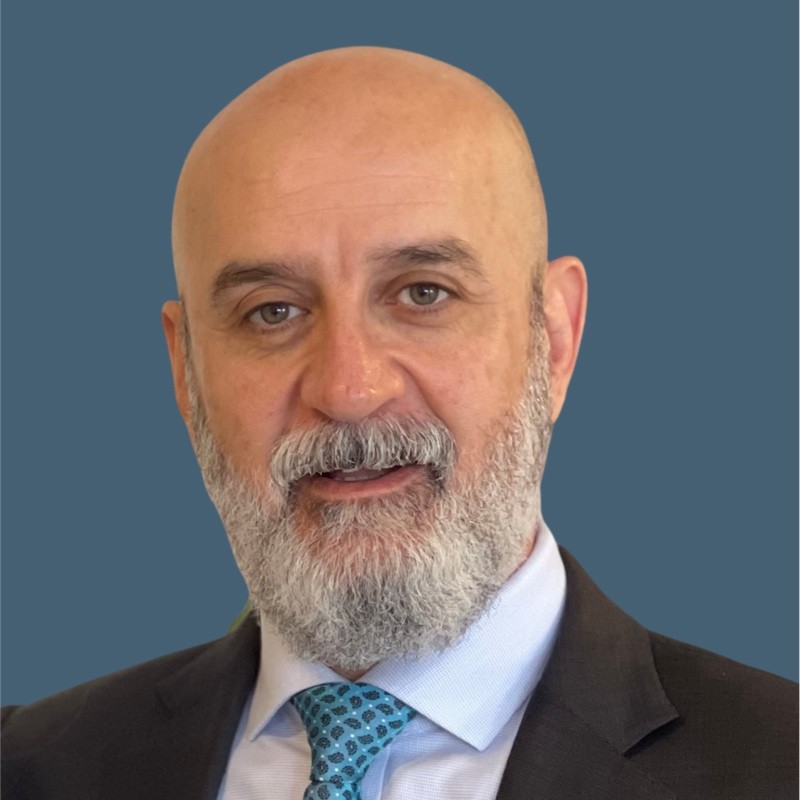
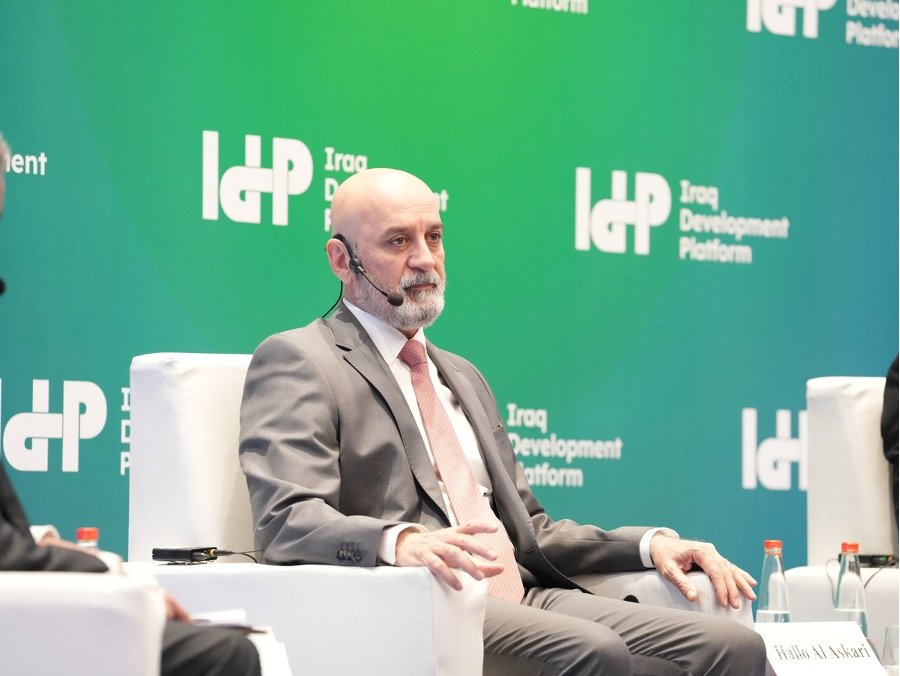
Hallo Askari
Iraqi Minister of Environment
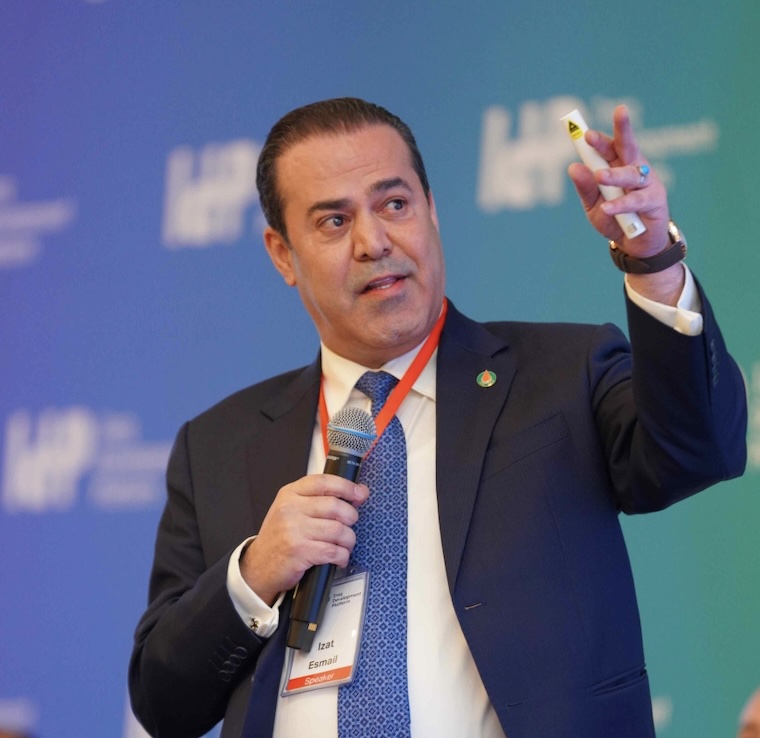
Ezat Esmaeel
Deputy Oil Minister For Gas Affairs
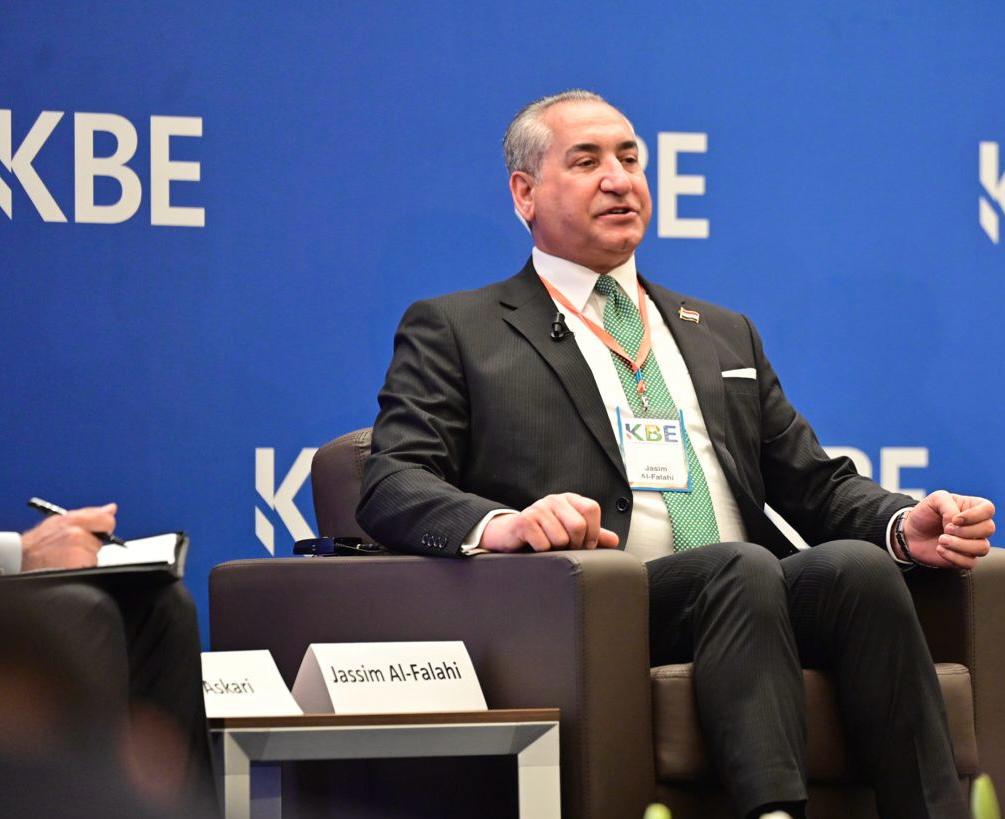
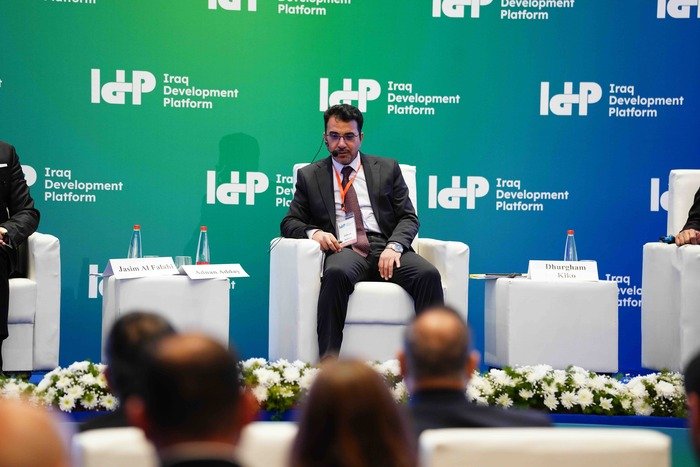
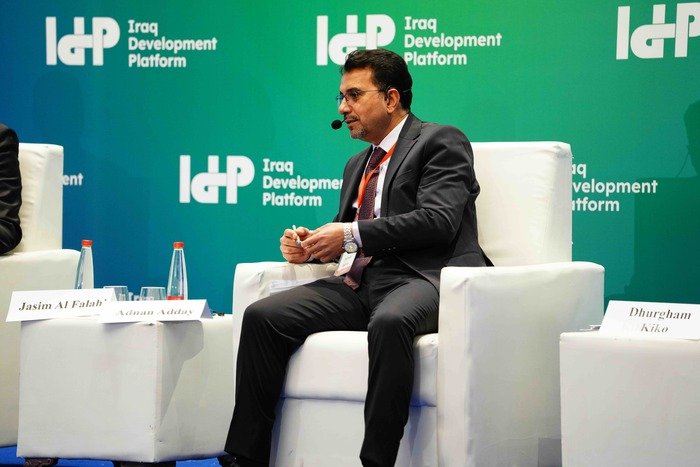
Jasim Al-Falahi
Deputy Minister of Environment
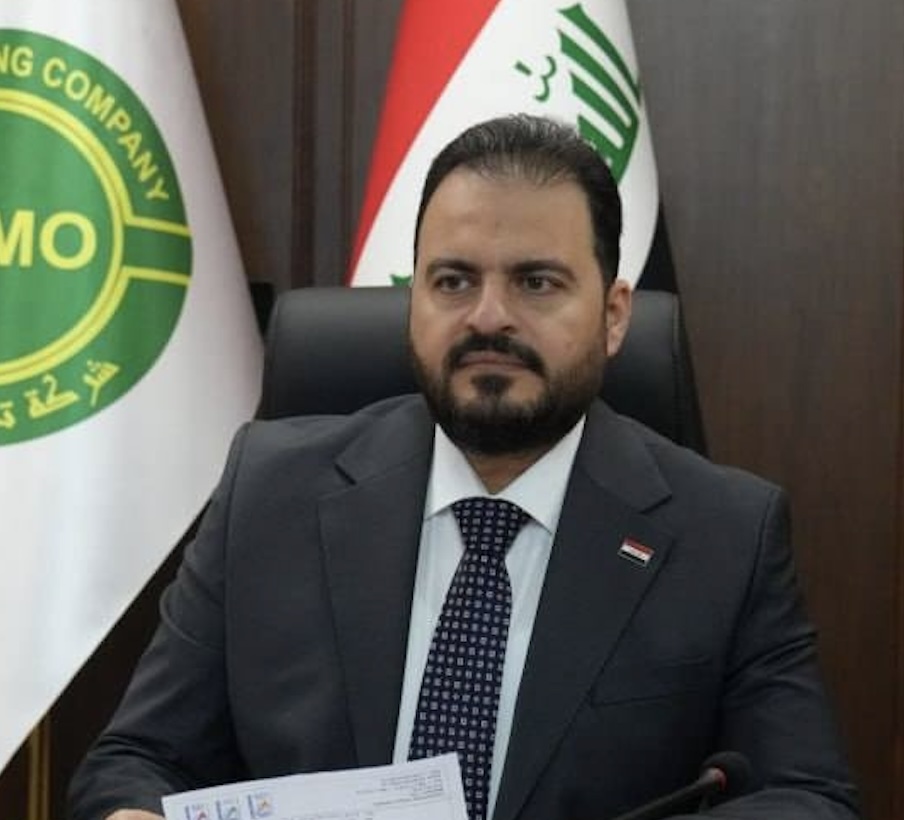
Ali N. Alshatri
DG of SOMO
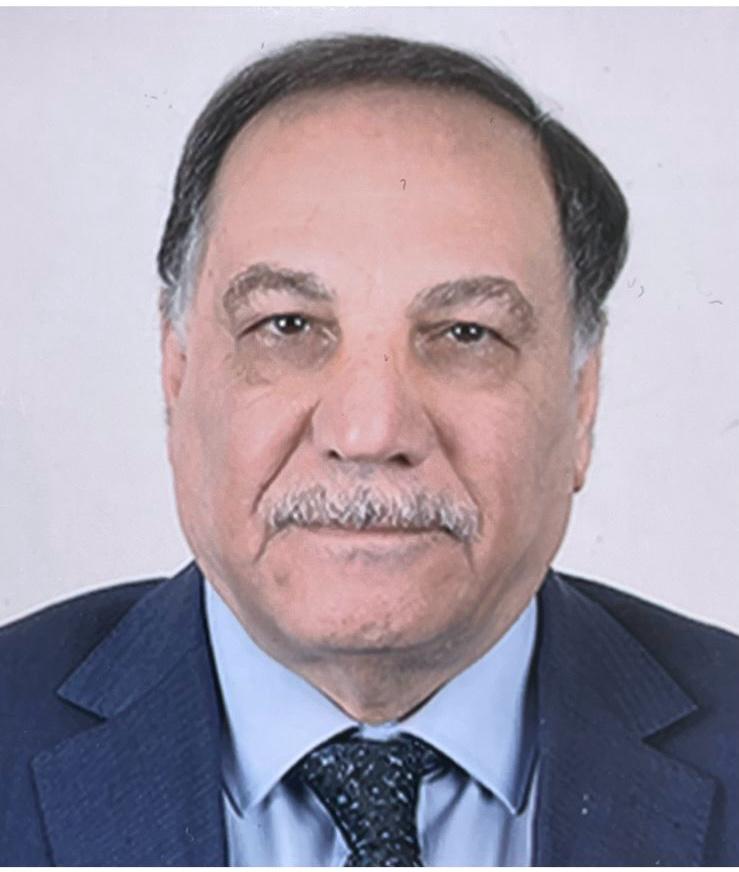
Falah Alamri
Iraqi PM Advisor
Naser Al-Asadi
Iraqi PM Advisor for Transport
Adel K. Ahmed
Iraqi PM Advisor for Electricity

Zaid Elyaseri
President،
BP Iraq and Qatar
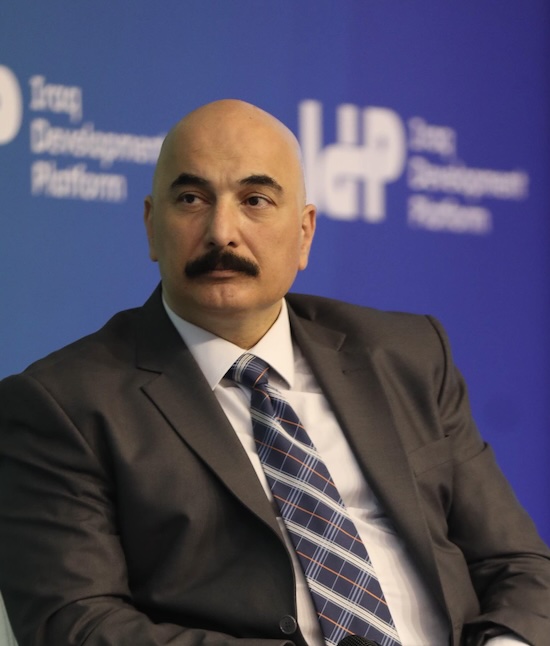
Torhan Mufti
Iraqi PM Advisor for Water Affairs
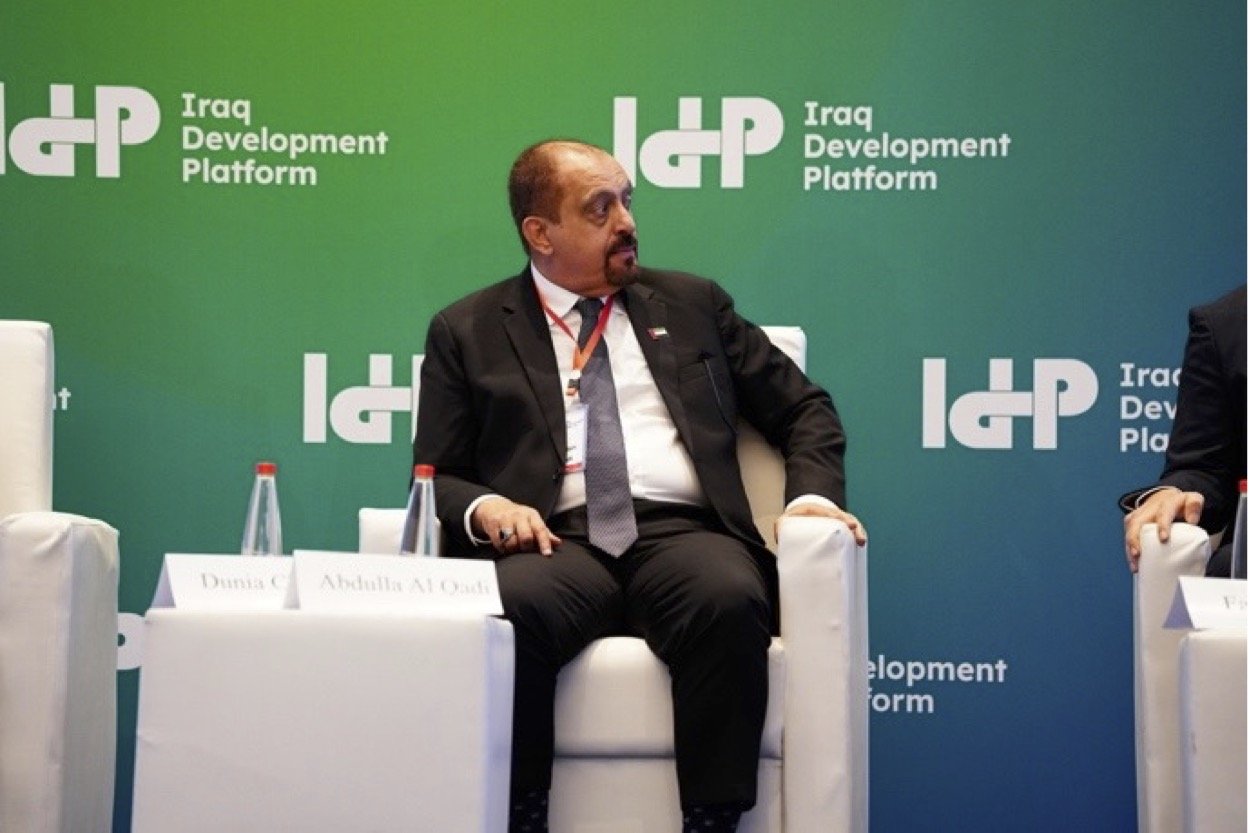
Abdulla Al Qadi
Country Director,
Crescent Petroleum
Ali Alsamawi
IEF, Senior Energy and Lead Analyst
Adel Al Hussaini
Advisor, Iraq Development Fund
Abdulbaqi Khalaf
Advisor, Ministry of Oil
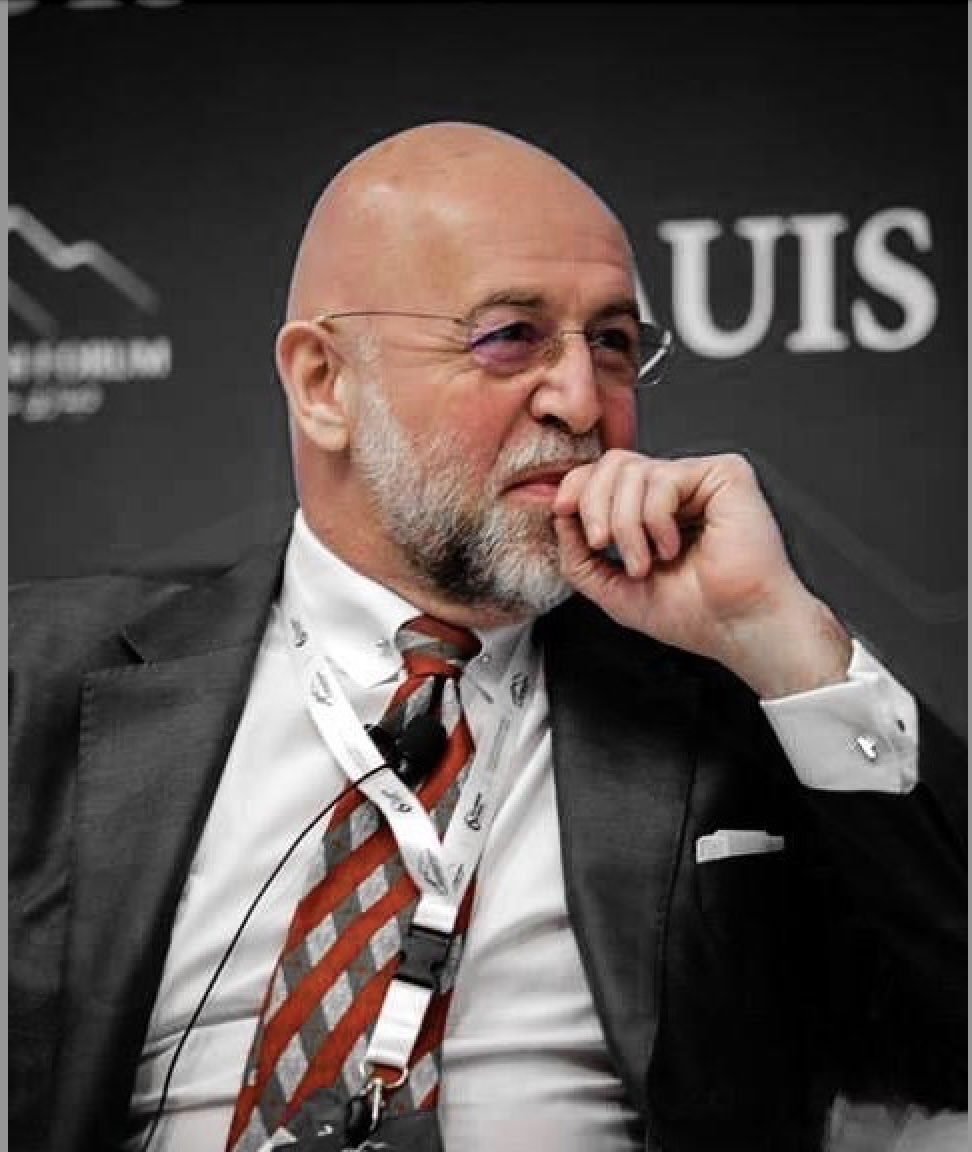
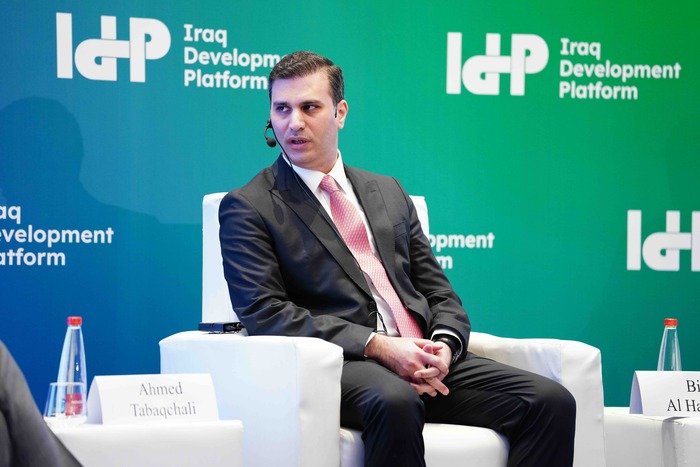
Ahmed Tabaqchali
Chief Strategist AFC Iraq Fund

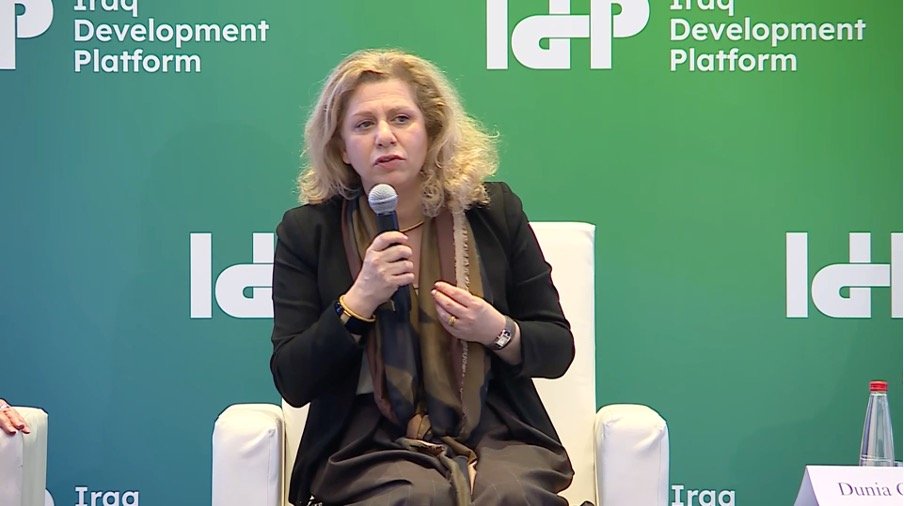
Dunia Chalabi
Country Director
TotalEnergies
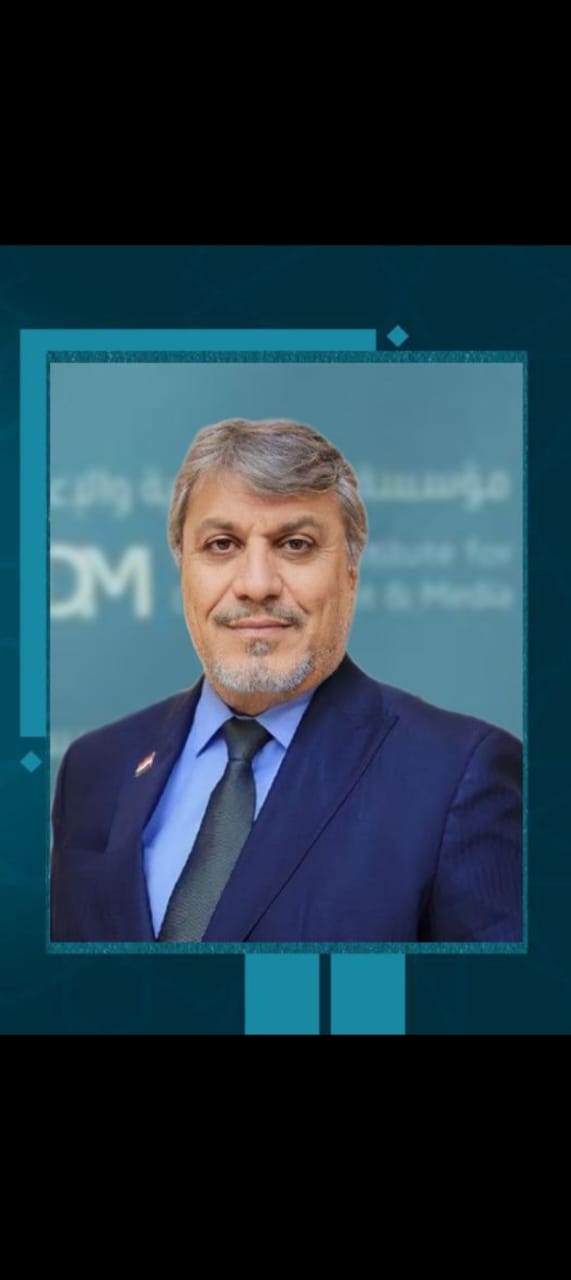
Hussain Flamers
PM Advisor, GD of Leadership & Excellence

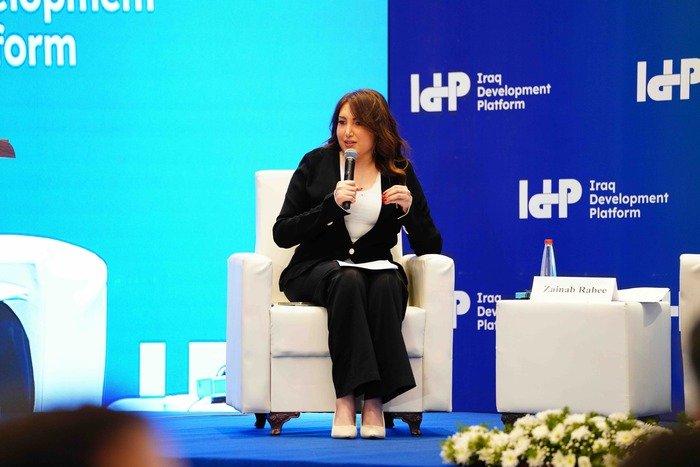
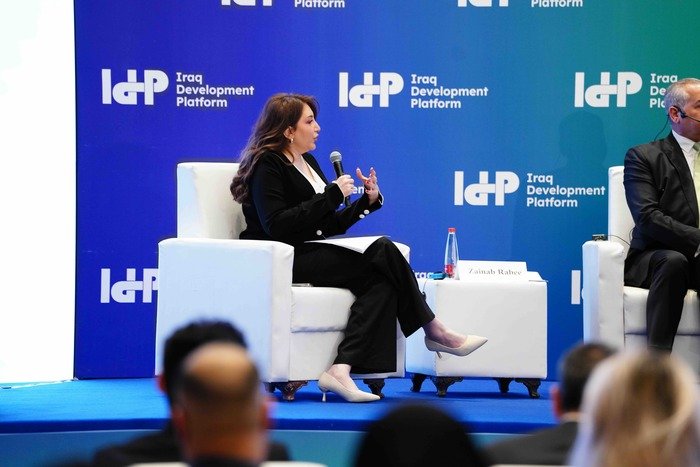
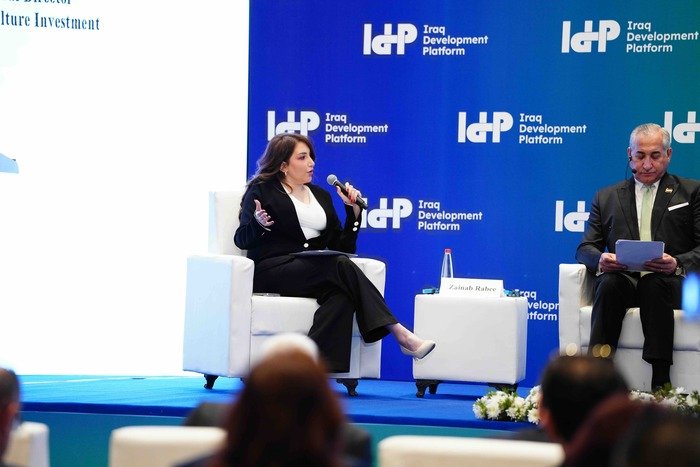
Zainab Rabee
Journalist
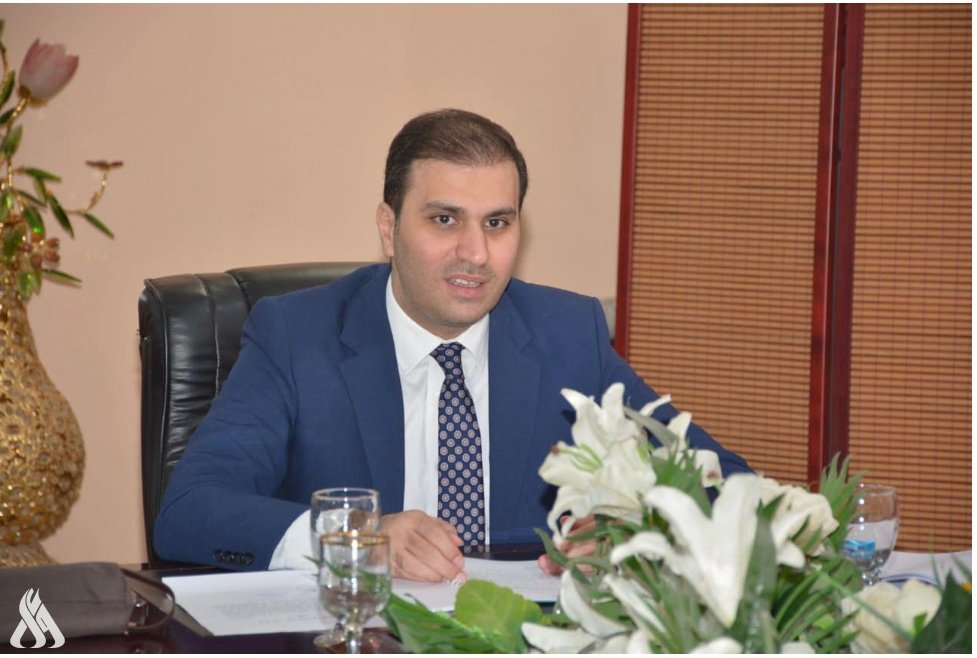
Bilal Al Hamadani
Chairman, Trade Bank of Iraq TBI

Assim Muter
Energy Expert
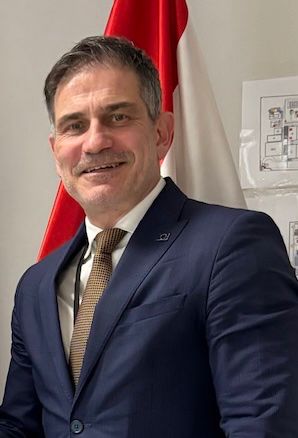
Klements Seminar
EU Ambassador in Iraq
Fakher Bader
Country Chairman, Shell Iraq and UAE
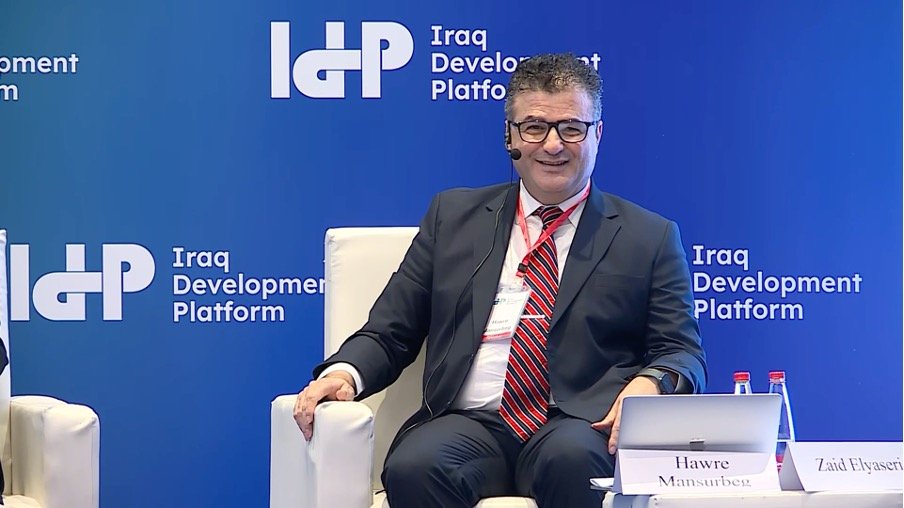
Hawre Mansurbeg
CEO Advisor, Kar Group
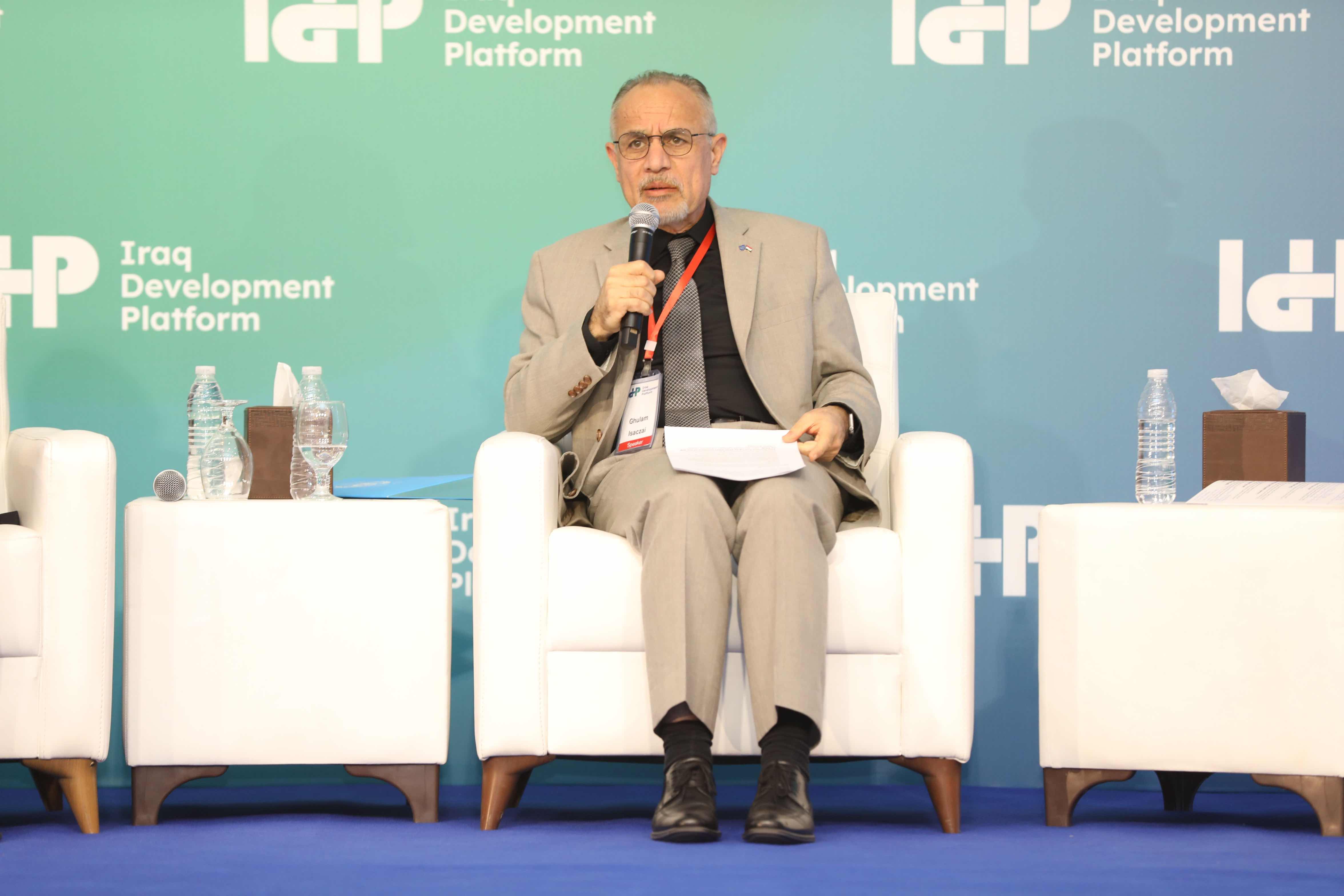
Ghulam Isaczai
UN Resident Coordinator for Iraq
Wasim Azem
Managing Director, SLB Iraq
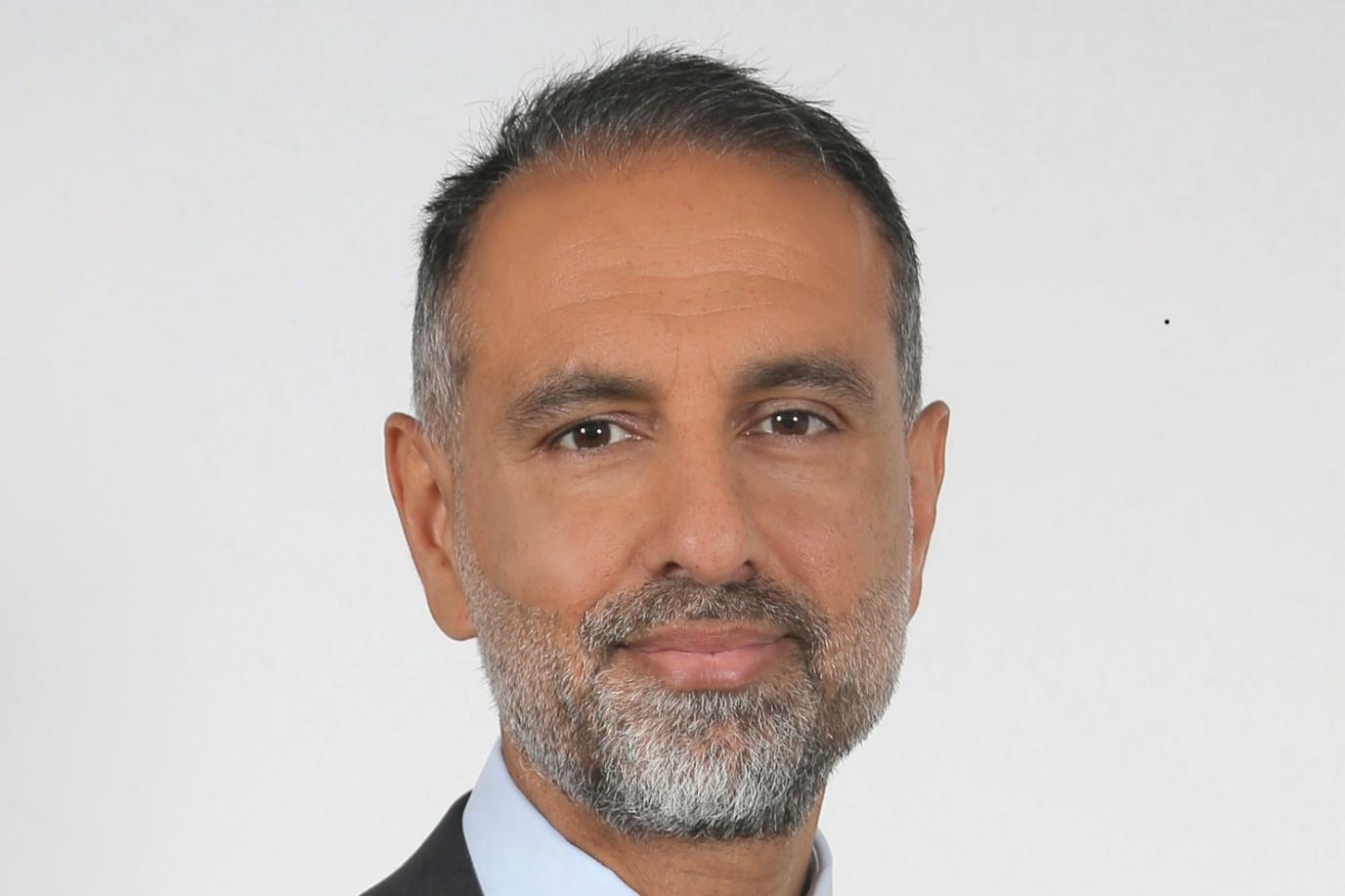
Irfan Siddiq
UK Ambassador in Iraq
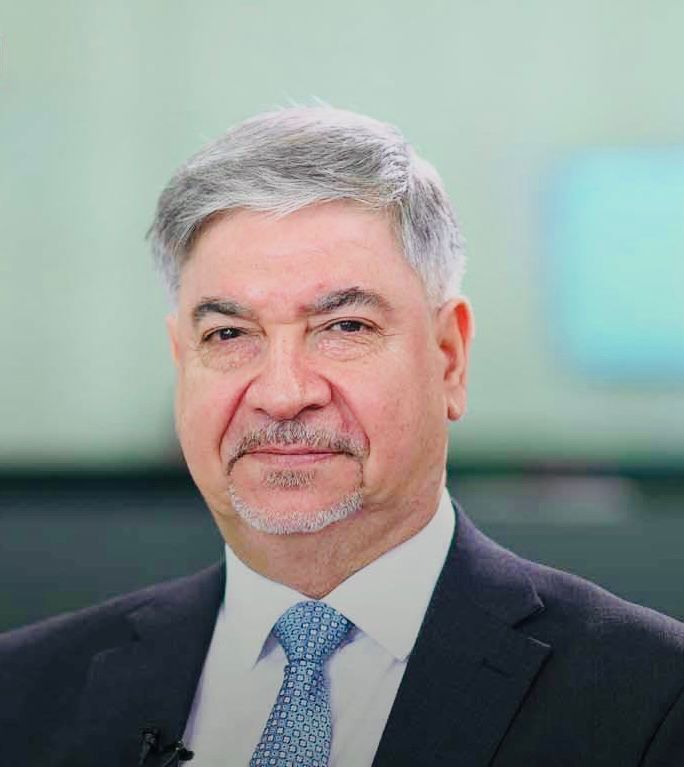
Hisham Al-Alawi
Deputy Foreign Minister, Iraq
Iraq Energy Conference 2026
Following the success of IEC 2025, which advanced reforms in gas flaring reduction, water sustainability, and a just energy transition, IEC 2026 will focus on turning strategies into action.
Under the patronage of His Excellency Prime Minister Mohammed Shia’ Al-Sudani, the conference will bring together senior government officials, national and international energy companies, investors, and regional partners to explore practical solutions for Iraq’s energy and climate priorities.
Key objectives of IEC 2026 include:
- Highlighting progress on national energy commitments and environmental targets.
- Mobilising investment for strategic infrastructure projects.
- Aligning sectoral reforms with social, economic, and environmental outcomes.
- Strengthening Iraq’s regional and international energy cooperation.
Conference Themes
1. Regional Energy Cooperation and Iraq’s Strategic Role
As regional energy dynamics evolve, Iraq’s position as a major producer and transit hub gives it a pivotal role in shaping future cooperation frameworks. This theme explores how Iraq can leverage its geographic and resource advantages to foster cross-border energy trade, enhance grid interconnection, and promote shared investments in oil, gas, and renewables. Discussions will focus on advancing regional integration, strengthening diplomatic and commercial partnerships, and positioning Iraq as a cornerstone of energy stability and collaboration in the Middle East.
2. Digital Transformation, Industrialisation, and Policy Reform for Iraq’s Energy
As Iraq advances toward a diversified and resilient energy economy, the parallel progression of technology adoption, industrial development, and policy reform is essential. This integrated panel examines how digital transformation, industrialisation, and regulatory restructuring can work together to advance national energy objectives and strengthen economic competitiveness. It underscores the importance of aligning policy frameworks with economic transition goals to create a more conducive investment climate. It also highlights the need for flexible governance structures capable of responding to rapid shifts in regional and global energy markets.
3. Electricity for All: Reform, Financing, and Regional Integration
Reliable electricity is essential for Iraq’s growth and stability. This session focuses on power sector reform, improved billing and revenue mechanisms, financing models, and regional interconnection to ensure affordable and sustainable electricity access for all. It will also explore the integration of renewable energy and the promotion of energy efficiency to enhance sustainability, reduce waste, and strengthen Iraq’s long-term energy resilience.
4. From Waste to Value: Gas Reform and Expanding Investment Opportunities
Gas is a cornerstone of Iraq’s economic future, with flaring reduction offering a real opportunity to turn losses into value. This theme focuses on reforming gas infrastructure, attracting investment in processing and transportation, and expanding petrochemical and power generation projects, strengthening economic diversification, and creating competitive opportunities for both local and international investors.
5. Energy and Water Security Amid Climate Change in Iraq
Ensuring reliable access to water and energy has become an increasingly strategic challenge for Iraq, as water scarcity and climate change directly affect electricity generation, industrial operations, and agricultural sustainability. This theme explores the interdependence between water and energy, the impact of upstream countries’ water policies on Iraq’s resources, and opportunities for enhanced regional cooperation in managing shared water systems. It will also highlight technological and investment pathways to build a resilient framework that safeguards Iraq’s water and energy security while supporting sustainable development across the region.
6. Water Governance and Cross-Sectoral Coordination in Iraq
Effective water governance is essential for ensuring Iraq’s water security and sustainable development. This session explores policies, institutional frameworks, and regulatory mechanisms to improve water resource management and strengthen coordination among key sectors such as agriculture, energy, environment, and municipalities. It will also highlight the importance of integrated systems for water demand management and the adoption of technical and investment solutions that promote efficient, equitable, and sustainable use of Iraq’s water resources.
7. Balancing Carbon-Based and Green Growth
Striking a balance between carbon-based economic growth and the transition to a green economy represents a key strategic challenge for Iraq and the wider region. This theme examines the policies, investments, and technologies that can reduce carbon emissions while maintaining industrial growth and expanding clean energy solutions, ensuring a gradual, responsible transition toward a sustainable and diversified economy.
8. Enhancing the Iraqi Economy: Development Road and Energy Export Routes
Iraq’s geographic position and vast energy resources make it a natural hub for trade and investment. This theme explores the role of the Development Road project and modernised export routes in boosting economic growth, enhancing logistics, and strengthening Iraq’s integration with regional and global markets.
9. Financing Iraq’s Energy Future - The Role of Banking and Capital Markets
Iraq’s energy transition depends on robust financial systems and investment flows. This theme highlights the role of banks, capital markets, and international finance in funding infrastructure, renewables, and diversification projects. Discussions will focus on financial reforms, green finance, and public-private partnerships to drive sustainable growth.
10. Navigating Change: Economic Reform and Energy Cooperation in a Transforming Middle East
This session will examine how economic reform and energy cooperation can support stability and sustainable growth in a rapidly transforming Middle East. The session will explore Iraq’s evolving role within the regional energy landscape, highlighting opportunities for cross-border collaboration, trade, and investment. Discussions will focus on how diplomatic engagement and coordinated policies can strengthen regional integration, enhance energy security, and support long-term economic resilience for Iraq and its neighbours.
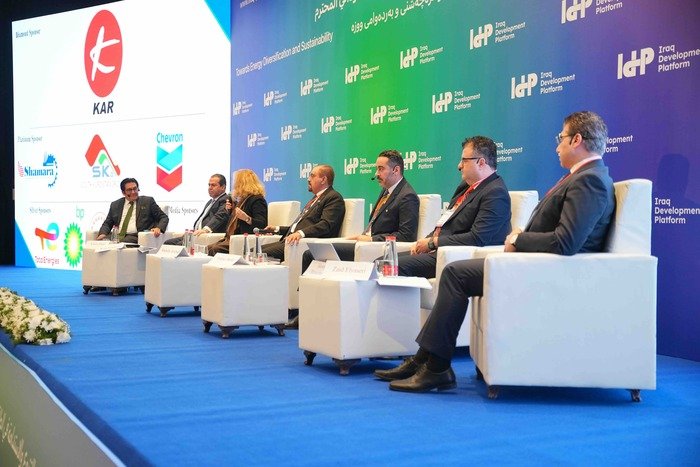
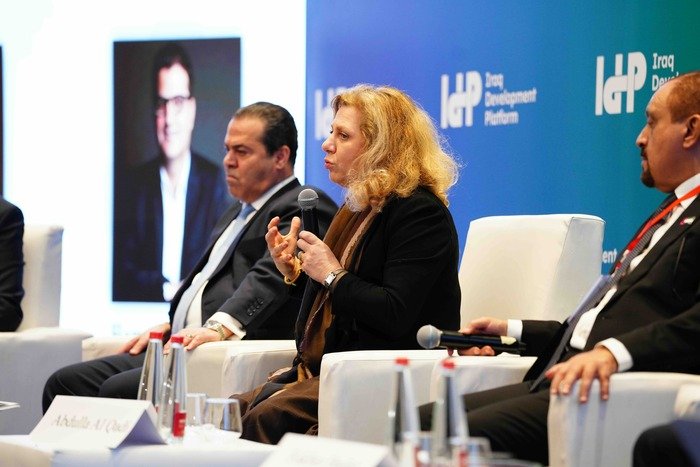
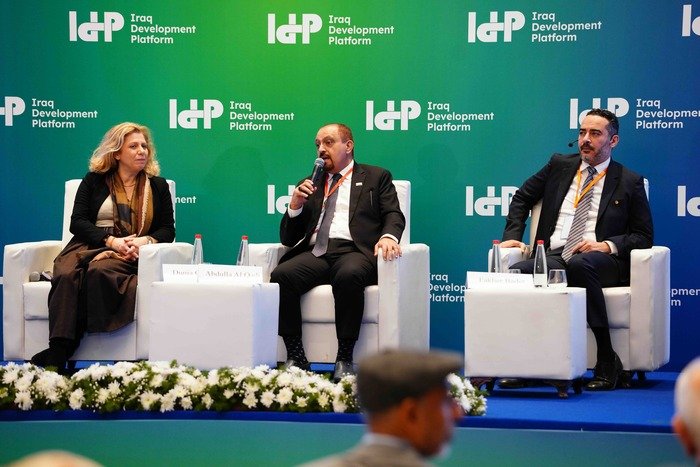
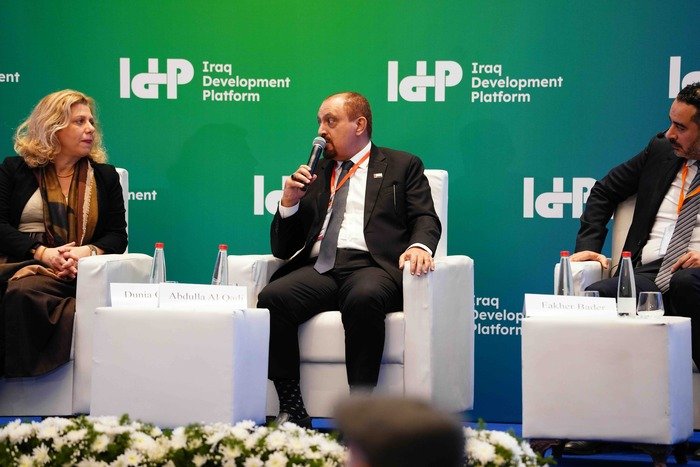
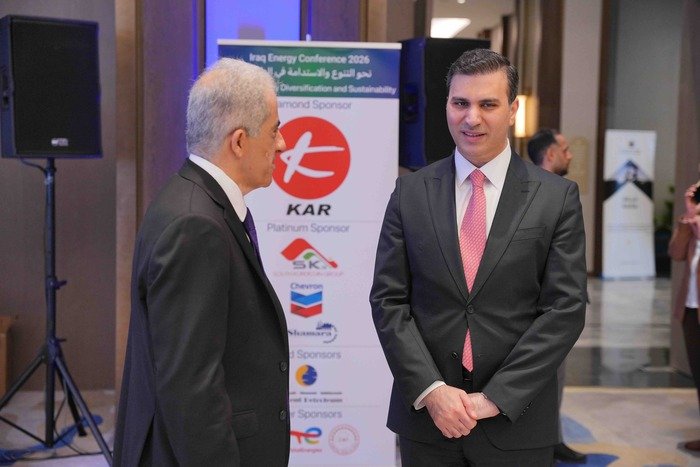
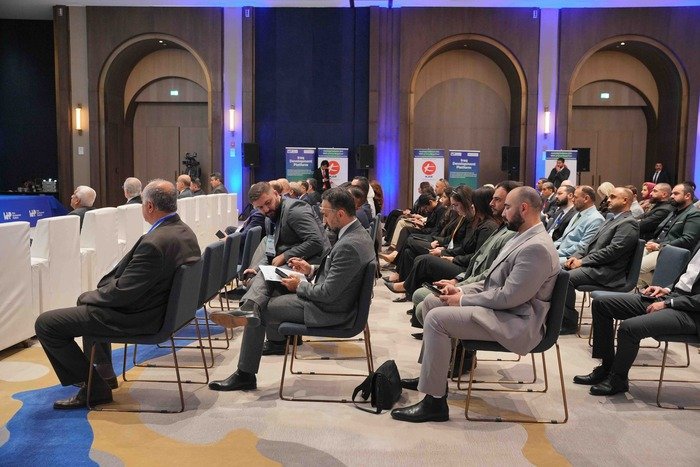
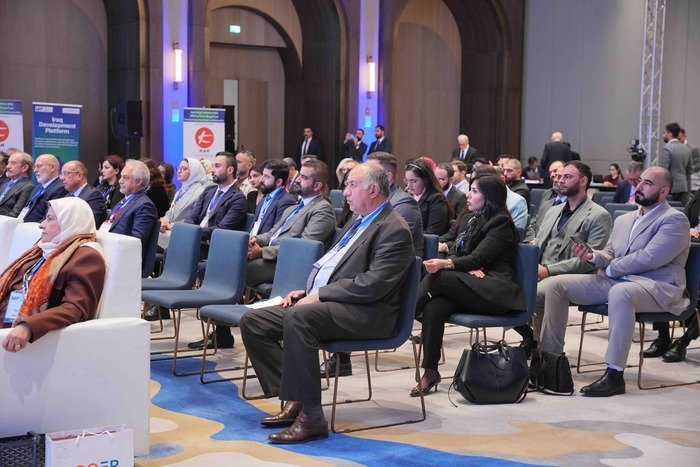
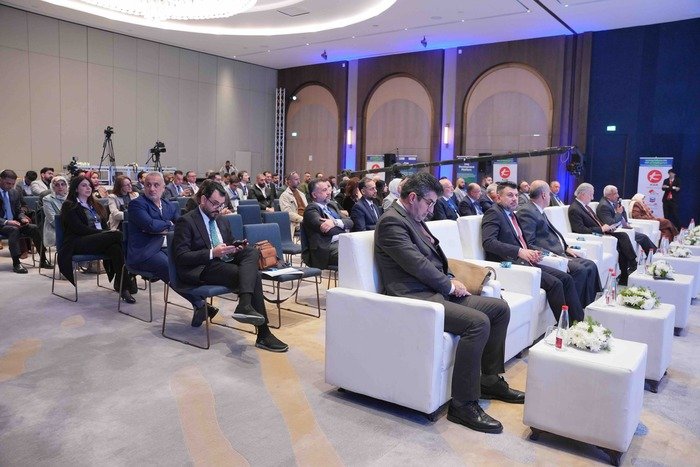
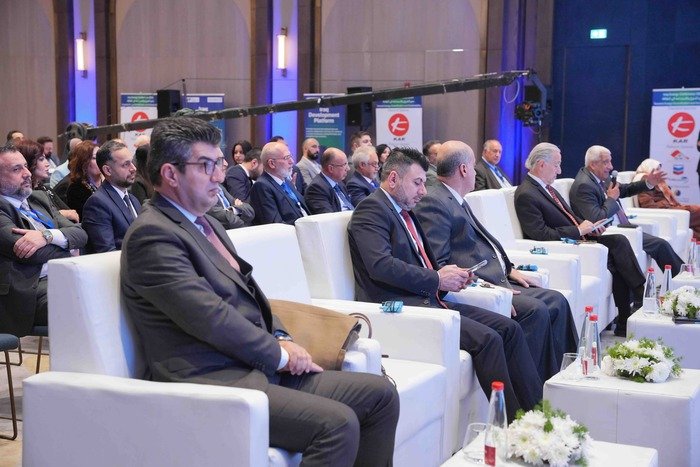
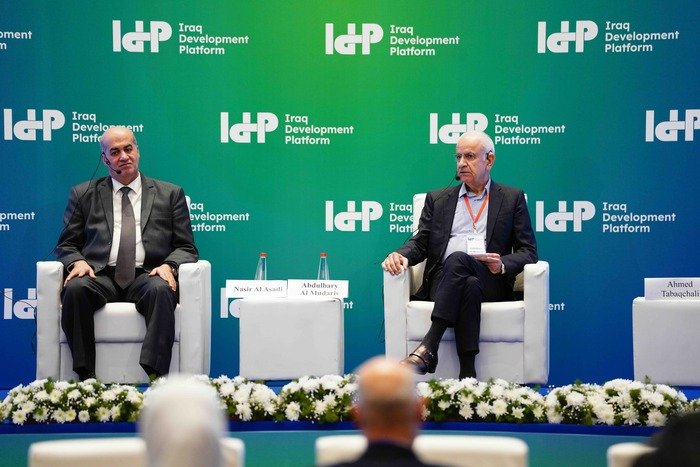
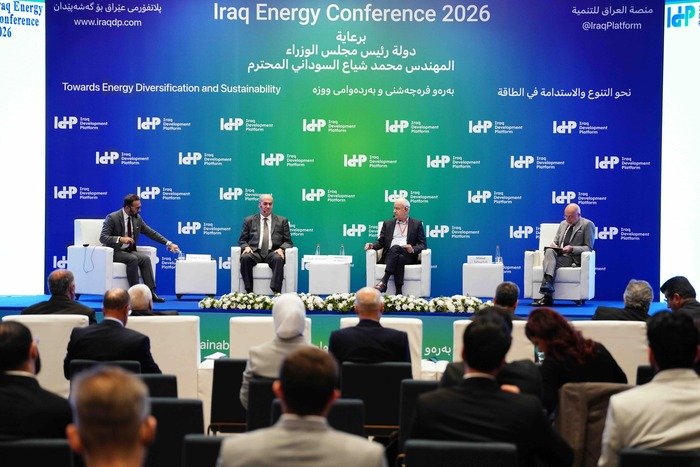
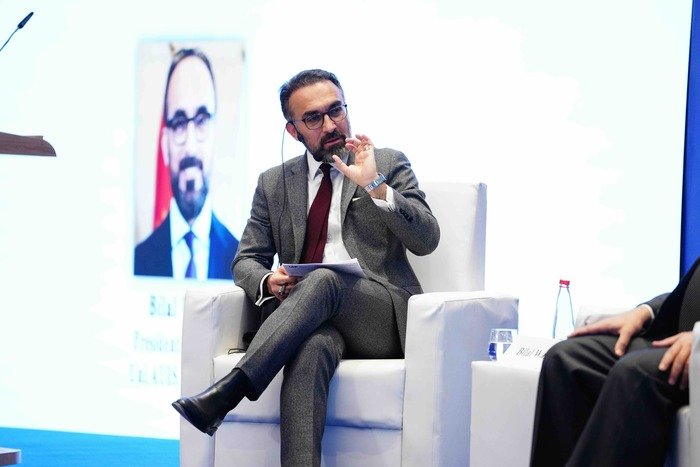
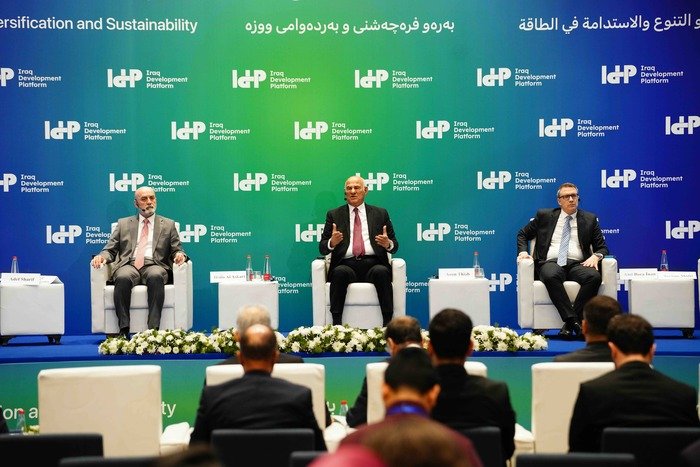
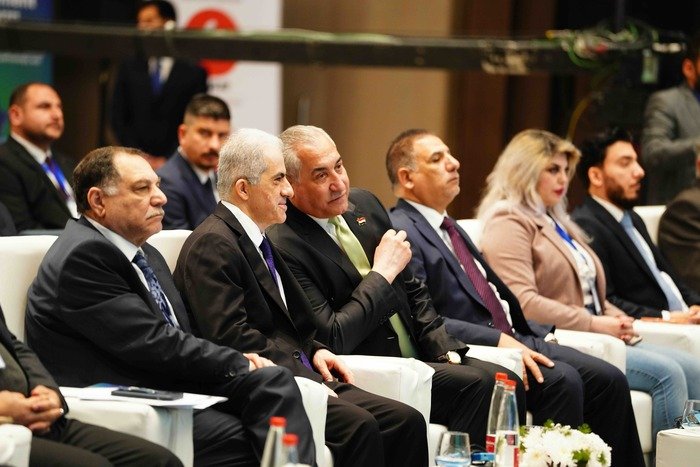
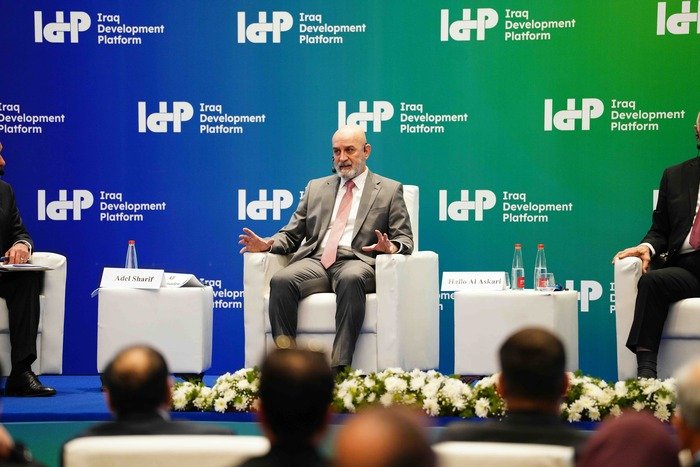
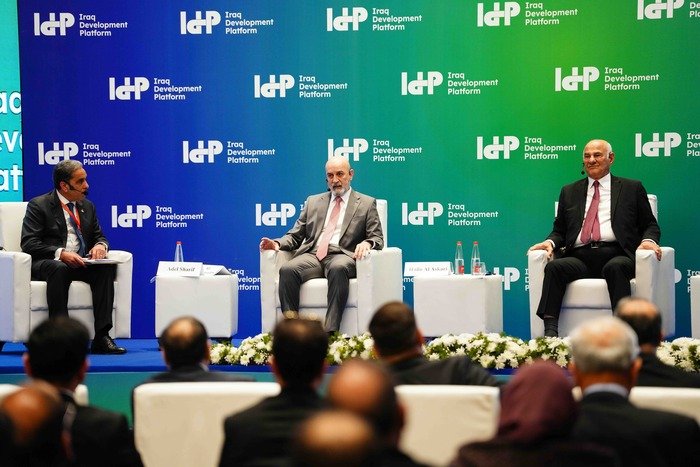

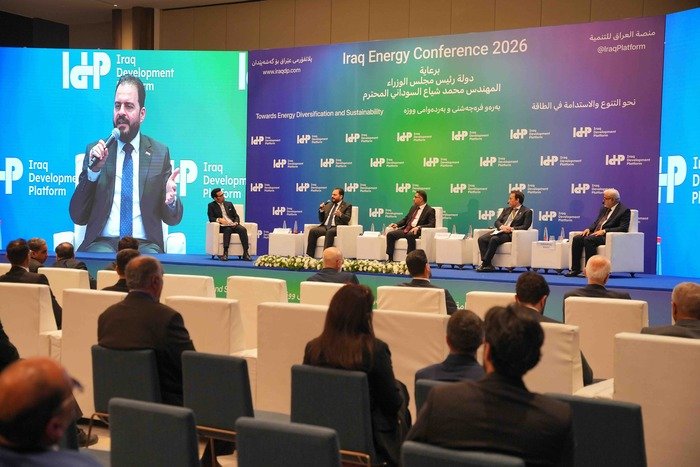
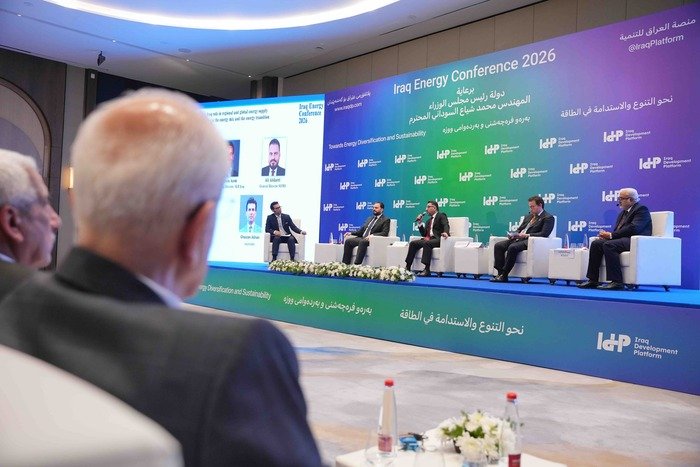
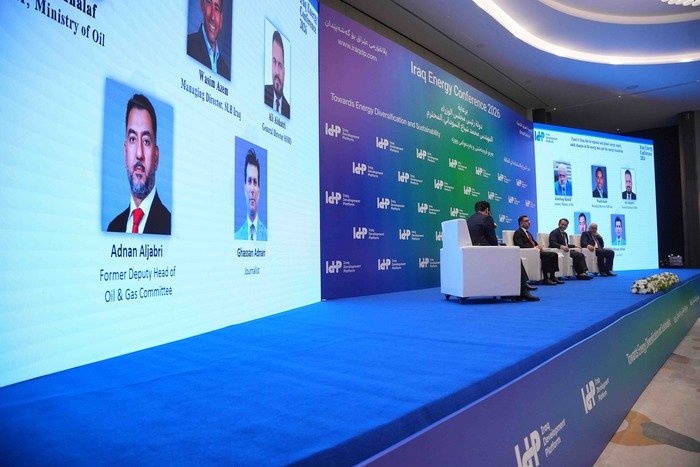
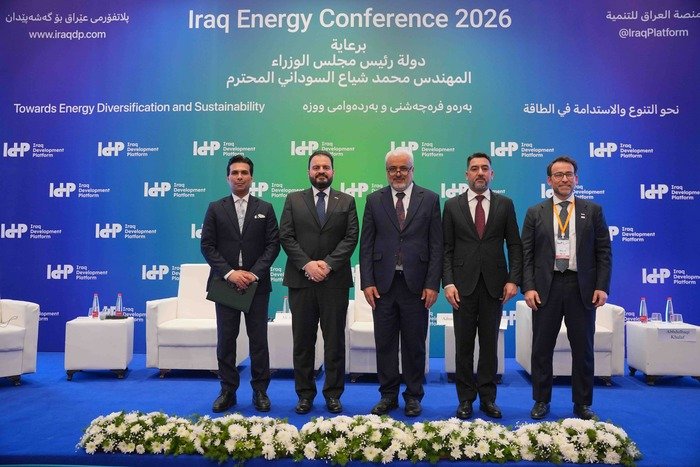
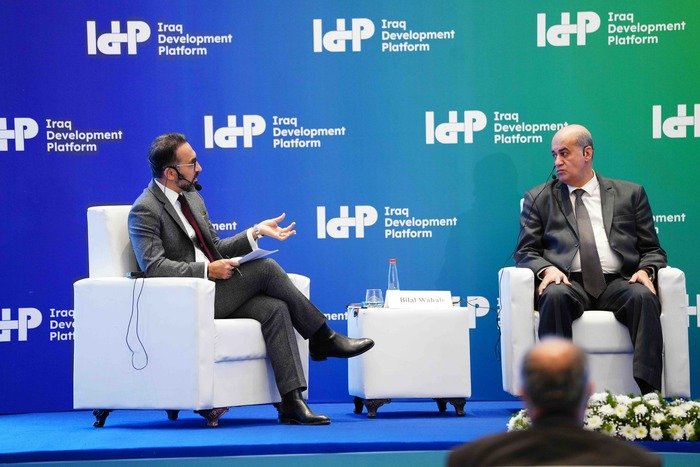
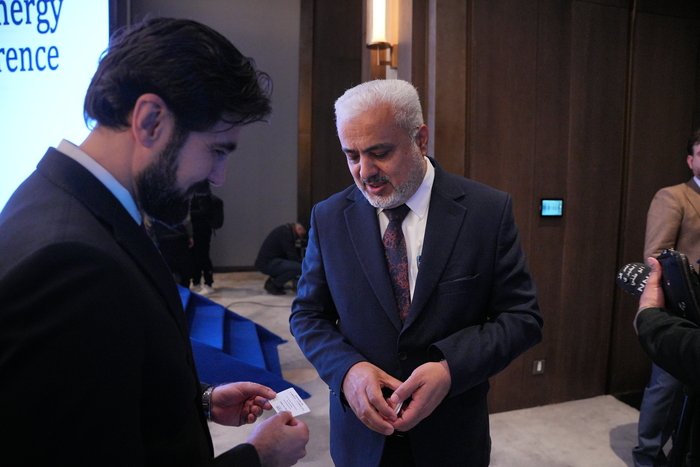
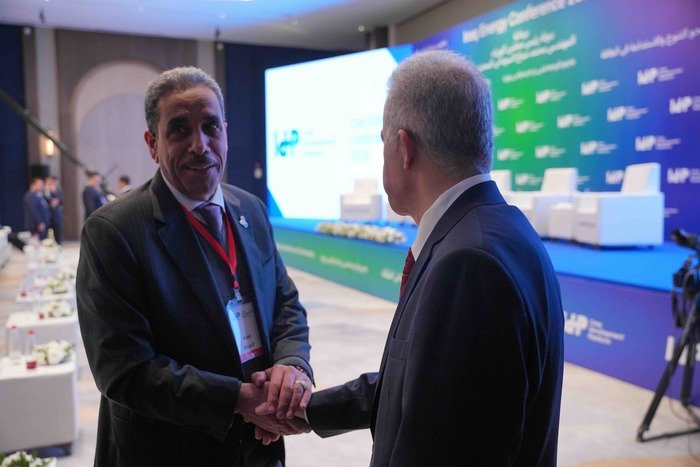
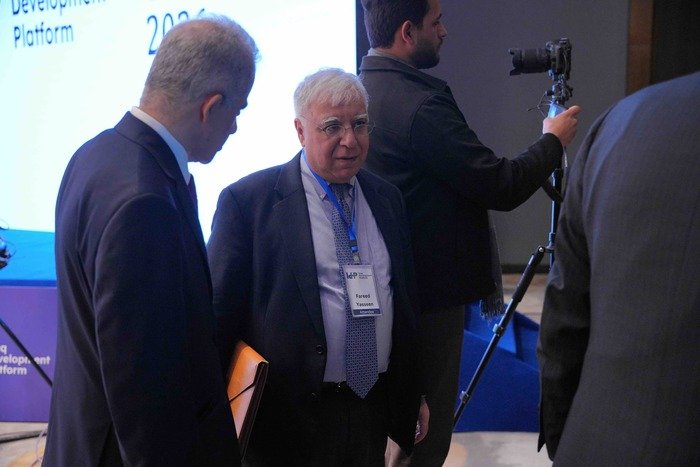
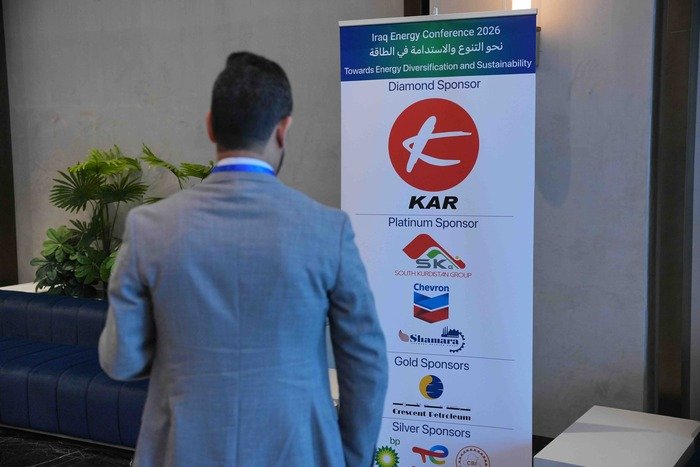
Diamond Sponsor

Platinum Sponsor


Gold Sponsor
Silver Sponsor

Media Sponsors

Panel Videos and Conference Proceedings
Conference Opening Remarks
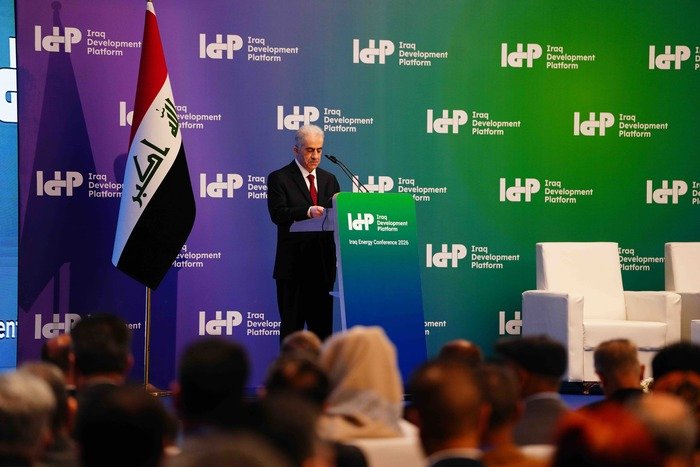
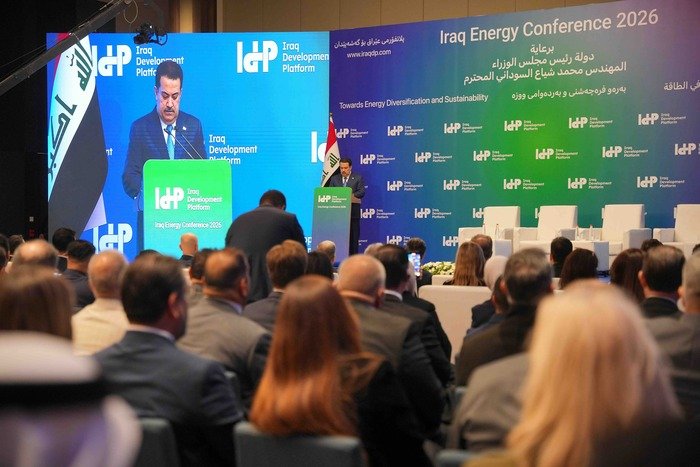
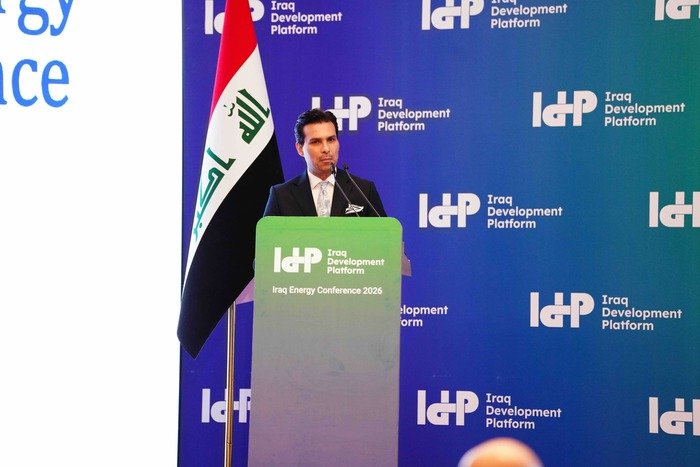
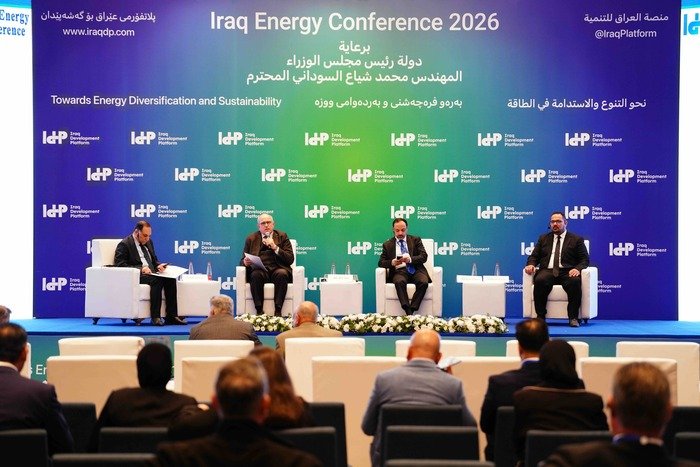
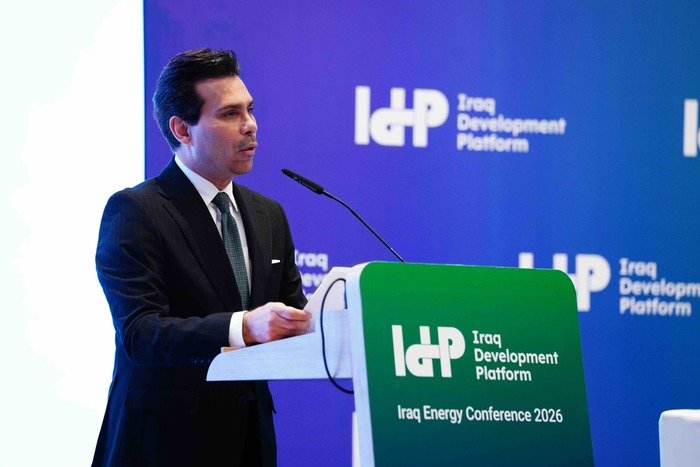
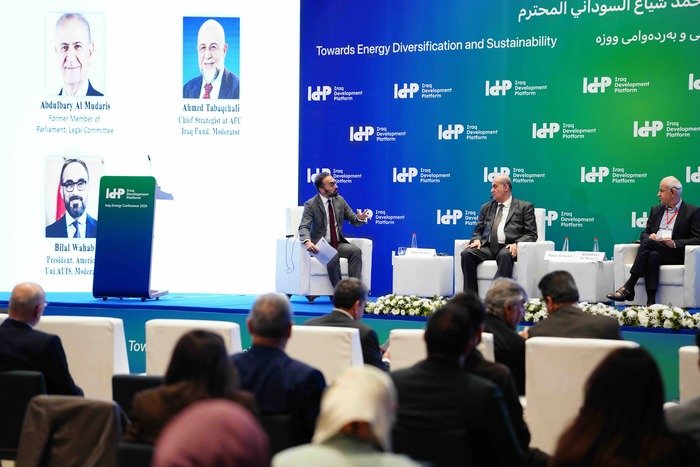
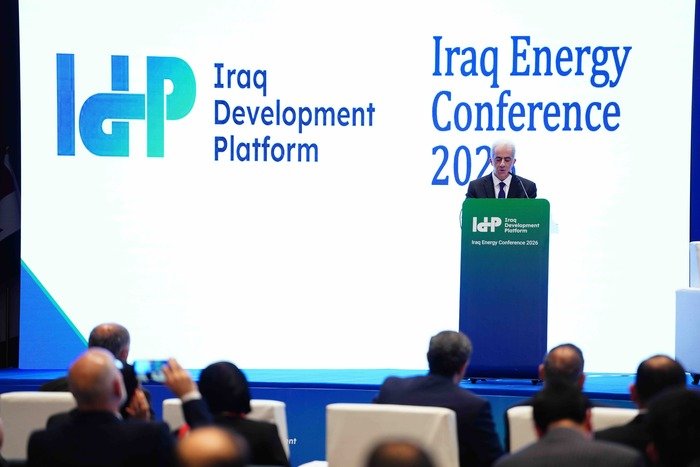
The Iraq Energy Conference was officially opened by Mr Ashty Aladin, President of the Iraq Development Platform, who welcomed H.E. Prime Minister Mohammed Shia' Al Sudani, along with ministers, Arab and foreign ambassadors, and distinguished participants.
In his opening remarks, Mr Aladin outlined the main objectives of the conference and highlighted the efforts made by organisers and supporting partners to contribute to Iraq’s long-term energy planning and to support the transition toward alternative and more sustainable energy sources.
Welcoming Remarks by Mr Ashty Aladin, President of the Iraq Development Platform
H.E. Prime Minister, Eng. Mohammed Shia' Al Sudani,
Excellencies, Ladies and gentlemen, distinguished guests,
It is my pleasure and honour to welcome you to the second edition of the Iraq Energy Conference 2026, convened this year under the theme “Towards Diversity and Sustainability in Energy”, and held under the generous patronage of H.E. the Prime Minister.
There is no doubt that this conference comes at a pivotal moment for Iraq’s energy sector and national economy, particularly in light of the rapid regional and international transformations currently reshaping global energy markets and economic priorities.
It gives me great pleasure, on behalf of the Iraq Development Platform, to welcome you to this edition of the conference, which builds on continued efforts aimed at supporting national and international dialogue on the future of energy, advancing pathways for economic diversification, and fostering an investment environment that is both more attractive and more resilient in the face of global change.
This year’s theme reflects a clear national orientation towards diversifying energy sources, strengthening sustainability, and achieving a balance between the requirements of economic growth, environmental considerations, and the global energy transition. In this context, the conference serves as a strategic platform for discussing the policies, reforms, and partnerships capable of transforming current challenges into tangible development opportunities.
Over the course of two days, the conference will address a range of key themes, including oil, gas, electricity, water, the environment, energy transition, the green economy, industrial development, and energy security. Discussions will also examine regional cooperation, Iraq’s growing role in regional and global energy markets, and strategic infrastructure projects, foremost among them the Development Road Project.
Ladies and gentlemen,
This conference is not intended merely as a platform for exchanging views, but as a forum for shaping practical visions, presenting actionable recommendations, and strengthening partnerships between the public and private sectors in support of Iraq’s economic reform agenda and its position as a promising investment destination in the energy sector and related industries.
The Iraq Development Platform reaffirms its continued commitment to supporting state efforts towards sustainable development, facilitating constructive dialogue between policymakers, investors, and experts, and contributing to the creation of a more stable, transparent, and investment-friendly business environment capable of attracting capital, technology, and expertise.
On this occasion, we extend our sincere appreciation to His Excellency the Prime Minister for his generous patronage of this conference. We also thank the distinguished speakers and participants for their valuable contributions and express our gratitude to the sponsors and media partners whose support played a vital role in the success of this event.
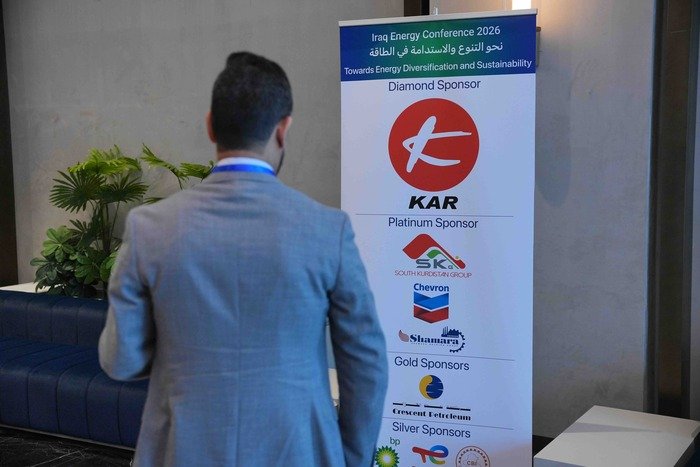
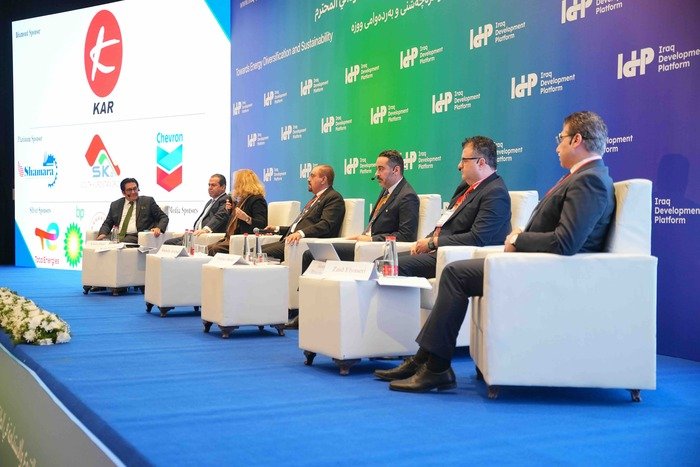
Platinum Sponsor: KAR Group
Platinum Sponsors: Chevron, Shamara Holding Group, and South Kurdistan Company
Gold Sponsor: Crescent Petroleum
Silver Sponsors: BP, TotalEnergies, and Central Bank of Iraq
Media Partner: Rudaw Media Network
We also extend our thanks to the students at the College of International Studies at the American University of Iraq - Baghdad, for their support, and special appreciation to my colleagues on the organising team for their dedication and efforts.
In conclusion, we hope that the Iraq Energy Conference 2026 will serve as an important platform for strengthening cooperation and building effective partnerships that contribute to shaping a more diversified and sustainable energy future for Iraq, while supporting economic growth that meets the aspirations of its people.
Let us work together towards diversity and sustainability in energy, and towards a more prosperous future for Iraq.
Thank you
Keynote Address
His Excellency Prime Minister Mohammed Shia’ Al-Sudani
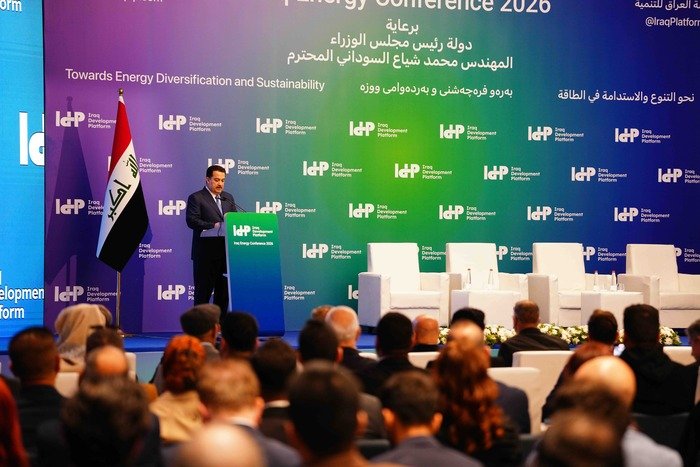
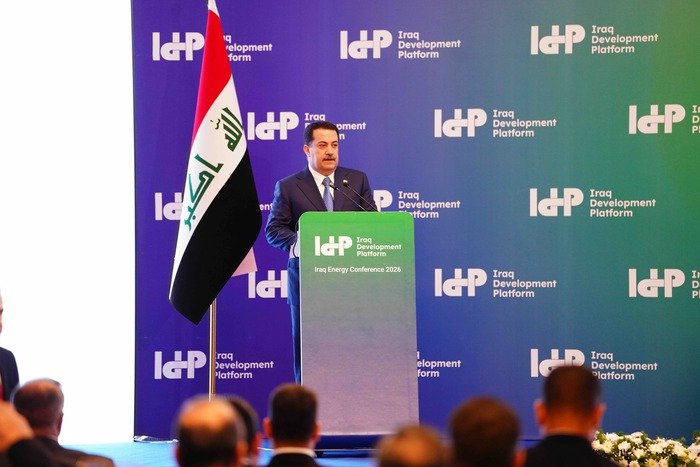
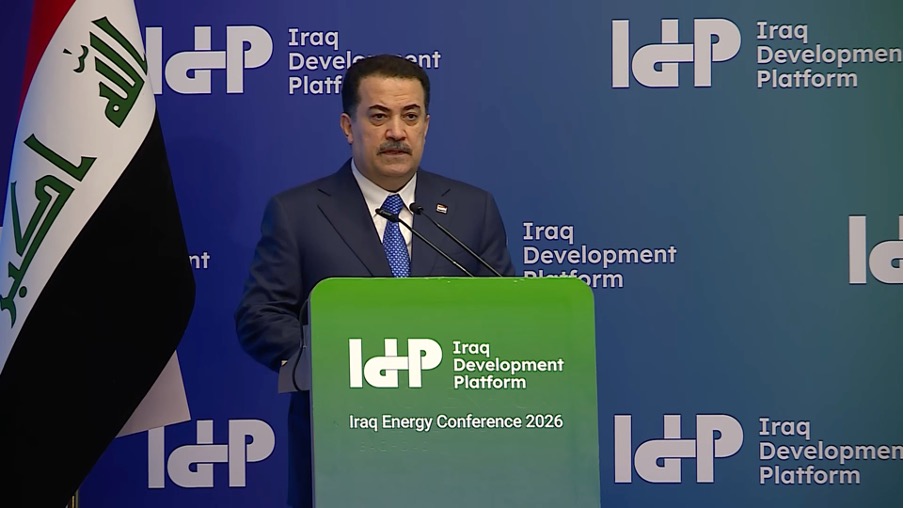
In opening the Iraq Energy Conference 2026, His Excellency the Prime Minister presented a comprehensive vision for the future direction of Iraq’s energy sector, emphasising a strategic transition from a model centred on exporting raw resources toward an approach focused on maximising economic value, diversifying energy sources, and strengthening sustainability.
The address outlined the government’s priorities in developing the oil, gas, and electricity sectors, alongside expanding renewable energy projects, advancing digital transformation initiatives, and promoting regional integration. It also underscored Iraq’s strategic role within global energy markets and the importance of leveraging this position to enhance economic stability and deepen international partnerships.
Prime Minister’s Speech
In the name of God, the Most Gracious, the Most Merciful
Ladies and gentlemen, distinguished guests, peace be upon you,
I warmly welcome all guests and participants to this conference, and I highly commend the efforts of Mr Ashty Aladin for organising and preparing this conference for the second consecutive year in Baghdad.
I congratulate everyone on the convening of this conference, which is dedicated to a vital sector that represents the backbone and driving force of all other sectors.
The energy sector, for which Baghdad is hosting its dedicated event under the title Iraq Energy Conference 2026, with distinguished participation from leading international companies, undoubtedly provides an important opportunity for specialists to review the policies, opportunities, and programmes related to this sector.
What I would like to clarify first is that the energy sector, in all its branches, no longer represents merely a commercial or economic market. Today, it has become an important factor in building political, social, and developmental relations through the mutual benefits it provides and the integration it creates across global supply chains.
As Iraq is one of the leading countries in this sector, our philosophy in managing energy stems from this understanding, through which the concept of integration among nations can be realised in a way that contributes to strengthening security and stability in our vital region and across the wider world.
Since assuming our executive responsibilities, we have been committed to developing Iraq’s energy sector and transforming it from its previous single-resource model into a new approach that invests in all the industrial, investment, and developmental opportunities provided by the sector.
From the outset of our government’s development programme, we recognised that advancing and modernising the energy sector would constitute the strong foundation upon which all other development objectives depend. Accordingly, we launched an ambitious plan to maximise returns from Iraq’s oil wealth, with the objective that by 2030, 40% of Iraq’s oil exports will consist of high-value refined products rather than crude exports alone.
In line with this ambition, we have launched a broad programme to expand Iraq’s refining capacity and add new processing units, in partnership with the private sector in these field and other related sectors. This is aimed at significantly reducing fuel imports and building a more integrated and promising economic future for Iraq, one that diversifies revenues and accelerates development.
For many years, our gas resources were subject to systematic wastage. By the grace of God, we have succeeded in achieving a 74% utilisation rate of our total gas resources through expanding investment opportunities. As a result of successive exploration activities, Iraq’s confirmed reserves of free natural gas have increased to approximately 132 million standard cubic feet. This wealth is being complemented by ongoing efforts to invest associated gas, with the objective of completely ending gas flaring by 2028, which is harmful to the environment, through the dedicated efforts of our colleagues in the oil sector.
In the field of electricity, we have achieved unprecedented levels of generation, reaching nearly 29,000 megawatts, alongside the development of a highly efficient national grid. This has included upgrading transmission and distribution networks and reducing losses through hundreds of secondary substations and power stations. This qualitative leap in generation, transmission, and distribution has enhanced the flexibility of the national grid, reduced pressure, and eased bottlenecks during periods of extreme heat, when temperatures reach their highest levels, while also supporting ongoing efforts toward regional electricity integration.
Within this forward-looking plan, the government has also completed procedures for establishing new power plants with a total capacity of 57,500 megawatts, including 34 stations in partnership with GE and Siemens. Through these agreements with leading international companies, we aspire to move Iraq beyond the chronic electricity challenges that have persisted for more than three decades.
In parallel with the global transition towards environmentally friendly energy sources, Iraq has made significant progress in the field of clean and renewable energy. We have launched projects with a combined target capacity of 7,500 megawatts of solar power through 15 projects across several governorates, some of which have already been connected to the national grid for the first time in Iraq’s history.
As part of our efforts to strengthen energy and water security in light of the climate challenges facing Iraq, the country has also moved forward with strategic projects that respond to current pressures and lay the foundations for an integrated approach to water resource governance. This reflects a balanced trajectory between the carbon economy and the green economy. This ambitious vision represents a key pillar in supporting the national economy and enhancing Iraq’s position by diversifying energy pathways in production and export, thereby opening broader horizons for a more prosperous future.
Our government has also actively worked to strengthen regional cooperation in the energy sector, affirming Iraq’s strategic role in this vital field. It has further developed ambitious plans to support digital transformation in energy-related sectors, contributing to policy reform and development, and ultimately building a promising and sustainable future for Iraq’s energy sector.
Ladies and gentlemen, our region, which represents one of the world’s most important energy supply hubs, is currently witnessing tensions and difficult moments that require all states, institutions, organisations, and major international companies to contribute to easing these pressures and preventing further escalation. No one stands to benefit from the disruption of energy supplies; rather, we would all be losers and adversely affected.
We once again welcome the convening of this conference and highly appreciate the efforts of its organisers. We hope that it will produce outcomes that serve the common good for all of us. Thank you, and peace be upon you all.
******************************************************
Speech of the UN Resident Coordinator in Iraq, Mr. Ghulam Isaczai
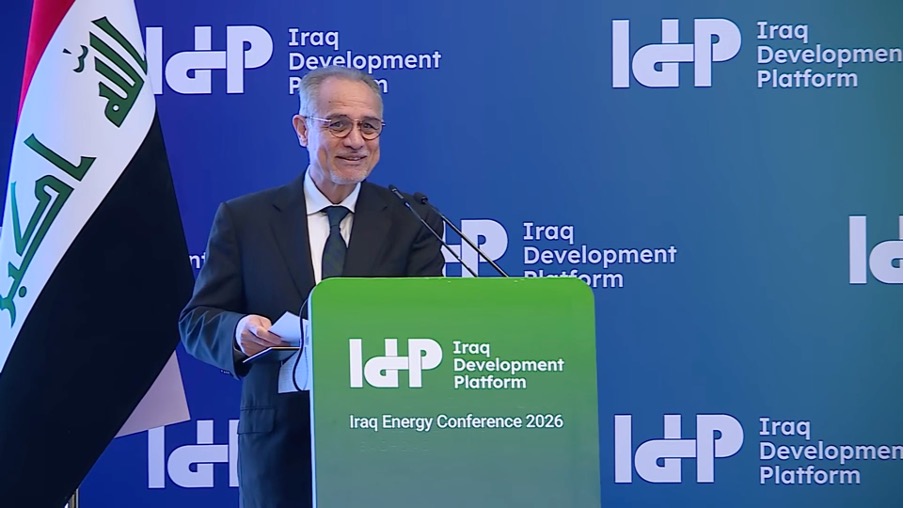
The United Nations Resident Coordinator in Iraq, Mr. Ghulam Isaczai, expressed his appreciation to the organisers of the Iraq Energy Conference, noting that the conference represents an important platform that brings together the Government, the private sector, development partners, and experts to contribute to shaping the future of Iraq’s energy sector, particularly considering the rapid transformations taking place at both regional and global levels.
He highlighted that the international community views the energy sector as a key driver of sustainable development in Iraq, emphasising the importance of integrating energy security, economic diversification, and climate action. He also underscored a new phase of partnership between Iraq and the United Nations, based on supporting national priorities through sustainable financing, enhanced institutional coordination, and the development of legal and regulatory frameworks.
He reaffirmed the United Nations’ commitment to supporting Iraq’s efforts to build a more diversified, efficient, and sustainable energy system, in line with the Sustainable Development Goals and Iraq’s Vision 2030.
Mr. Ghulam Isaczai’s Speech
Your Excellency Prime Minister Mohammed Shia’ Al-Sudani,
Excellencies, Distinguished Guests,
Ladies and Gentlemen,
It is a pleasure to join you today at the Iraq Energy Conference and I would like to thank Dr. Ashty Aladin for establishing this annual event bringing together the government, the private sector, development partners, and experts to shape Iraq’s energy future.
This conference comes at a pivotal moment. Energy security, economic diversification, and climate resilience are no longer separate agendas; they are central, interconnected pillars of Iraq’s long-term stability and development. Allow me to begin with a brief word on the role of the United Nations in Iraq.
Following the conclusion of the mandate of the United Nations Assistance Mission for Iraq on 31 December 2025, the United Nations continues its engagement in the country under the
leadership of the UN Resident Coordinator. This marks a new phase in UN - Iraq cooperation - one that reflects Iraq’s transition toward long-term, sustainable development.
Our engagement is guided by the United Nations Sustainable Development Cooperation Framework for 2025 - 2029, signed with the Government of Iraq on 25 December 2025.
This Framework serves as the UN’s strategic roadmap for supporting national priorities and advancing the Sustainable Development Goals, aligned with Iraq Vision 2030, through policy advice, institutional strengthening, and technical assistance.
Today’s focus on energy goes to the heart of Iraq’s development agenda. Reliable, affordable, and sustainable energy underpins economic growth, fiscal stability, service delivery, and the well-being of all Iraqis.
The Government of Iraq has articulated a clear strategic direction through national frameworks, including Iraq Vision 2030 and the National Development Plan 2024–2028, the Integrated National Energy Strategy, and Iraq’s updated Nationally Determined Contribution. However, these strategies call for a clear implementation plan that can meet the ambition of the Paris Climate Agreement, that is to limit the global temperature rise to 1.5C.
Implementation must be backed by:
First, financing. Advancing Iraq’s energy transition requires predictable, blended financing that brings together public resources, donor support, and private investment. Targeted investments, such as solar energy for public buildings or gas capture to reduce flaring, can lower costs, strengthen energy security, create jobs, and deliver tangible progress toward the Sustainable Development Goals.
Second, implementation would require strong coordination across ministries, donors, international financial institutions, and the UN system to avoid fragmentation and deliver results at scale.
Third, implementation can only be effective within a predictable and enforceable legal and regulatory framework which are essential to build investor confidence and ensure transparency.
The United Nations recognises the leadership of the Government of Iraq, under Prime Minister Mohammed Shia’ Al-Sudani, in advancing energy transition and climate action.
This includes ambitious plans to scale up renewable energy by 2030, continued efforts to reduce gas flaring and methane emissions, and the launch of Iraq’s first Climate Investment Plan for 2025 - 2030. Together, these initiatives signal a strong commitment to a more diversified, resilient, and forward-looking energy system.
The United Nations in Iraq is fully committed to supporting Iraq through this critical transition by providing high quality advisory services and technical assistance in advancing policy and regulatory reforms that prioritise sustainability, efficiency, and equity.
These priorities are firmly anchored in both Iraq’s national plans and the Cooperation Framework.
Our shared vision is clear: an Iraq that is energy-secure, economically diversified, environmentally responsible, and fully equipped to realise its development ambitions.
Achieving this vision will depend on strong partnerships, between the Government of Iraq, the private sector, international partners, and the United Nations.
In closing, let me reaffirm that the United Nations stands alongside the Government and people of Iraq as a committed partner in advancing a secure, sustainable, and climate-resilient energy future.
I wish you productive discussions and successful outcomes.
******************************************************
Speech of the Deputy Minister for Gas Affairs, Ministry of Oil, Mr. Ezat Esmaeel, on behalf of the Minister of Oil
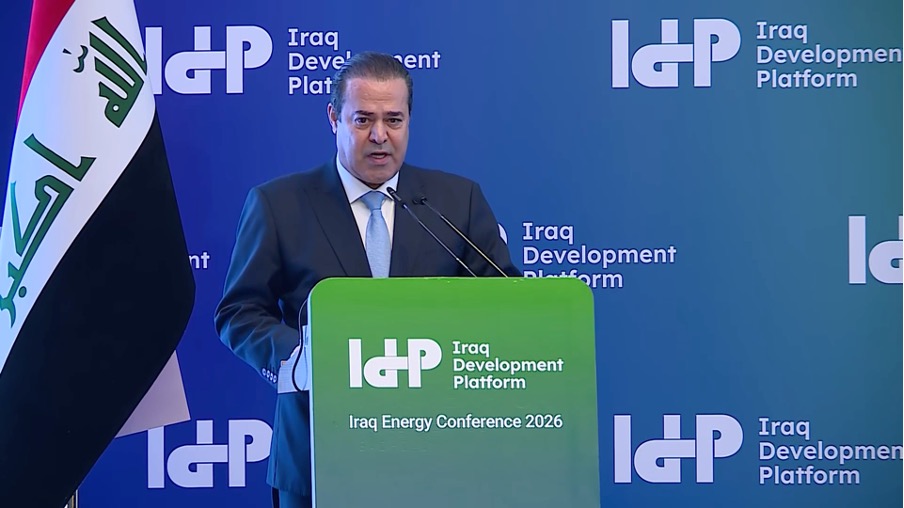
The Deputy Minister of Oil for Gas Affairs, speaking on behalf of the Minister of Oil, presented a comprehensive overview of the Ministry’s strategic direction and key achievements across the various segments of the energy sector, including upstream operations, refining, gas development, and distribution, despite ongoing operational and structural challenges.
The address highlighted the ongoing transition towards a more diversified and efficient energy sector, focused on maximising economic value, reducing waste, and strengthening integration across oil, gas, and electricity systems. It further underscored the priorities for the next phase, particularly improving the investment environment, expanding partnerships with international companies, and supporting value-added projects, with the objective of enhancing sustainability and reducing reliance on imports.
Ministry of Oil’s Speech - Mr. Ezat Esmaeel
In the name of God, the Most Gracious, the Most Merciful
His Excellency the Prime Minister, Mr. Mohammed Shia’ Al-Sudani
Honourable Ministers, Excellencies and distinguished guests
Ladies and gentlemen, Peace be upon you all,
We meet today at a specialised conference taking place at a critical juncture, as Iraq moves steadily towards a diversified and sustainable economy, while reasserting its role on the regional and international energy map, in line with the Government’s vision and the Prime Minister’s close follow-up of the energy portfolio in all its components.
The world is increasingly in need of flexible policies, advanced infrastructure, and clean energy options. Iraq possesses the necessary potential to position itself as a vital and central hub for regional energy cooperation.
Ladies and gentlemen, over recent years, the Ministry of Oil has achieved substantial progress across the upstream, refining, distribution, and gas sectors, despite significant challenges.
In the upstream sector, the Ministry has advanced the development of producing fields, border fields, and exploration blocks under the fifth and sixth licensing rounds, thereby strengthening production capacity, and expanding Iraq’s oil reserve base.
In the refining sector, the Karbala Refinery has become a cornerstone and model of the national refining system, having entered full operation capacity. This is alongside the expansion and upgrading of the Basra, Al-Shuaiba, Salah Al-Din, and Najaf refineries, which has contributed to reducing imports of petroleum products and achieving near self-sufficiency at present.
In the gas sector, gas today represents a cornerstone of Iraq’s future energy strategy. The Ministry has initiated a series of major projects extending from the north to the centre and south of the country, including the development of the Artawi, Al-Faihaa, Akkas, Mansuriya, and Halfaya gas complexes. These projects are expected to significantly increase national production, reduce flaring rates, and supply power plants with domestically produced gas, with the objective of achieving zero gas flaring by the end of 2028.
In the distribution sector, the distribution system has undergone substantial development, including the upgrading of networks, the enhancement of distribution services, and the gradual transition towards automation and digitalisation.
Ladies and gentlemen,
The message of the Ministry of Oil today is clear: we are working towards building an integrated national energy sector that is more flexible, more diversified, and more capable of attracting investment.
To achieve this objective, we emphasise the importance of strengthening the investment environment in coordination with the Government and the legislative authorities, through the development of regulatory frameworks, the simplification of procedures, the reduction of investment risks, and the expansion of partnerships with international companies, service companies, and the local private sector, with a view to transferring technology and developing industrial capacity.
We also support value-added projects in downstream industries and petrochemicals, as well as the integration of gas into the electricity system, in order to meet domestic demand and reduce reliance on imports.
Distinguished guests,
The conference slogan, Towards Energy Diversification and Sustainability in Iraq, is not a symbolic statement, but a vision, an action framework, and a roadmap that the Government is committed to, and that the Ministry is implementing through clear and practical steps.
We also state to our partners and investors with full clarity that Iraq today is more open, more prepared for engagement, and more committed to building sustainable partnerships.
Finally, we extend our appreciation and gratitude to the conference organisers, its management, all participants, as well as to you all for your attendance, and to the media and press for their coverage.
Peace be upon you all.
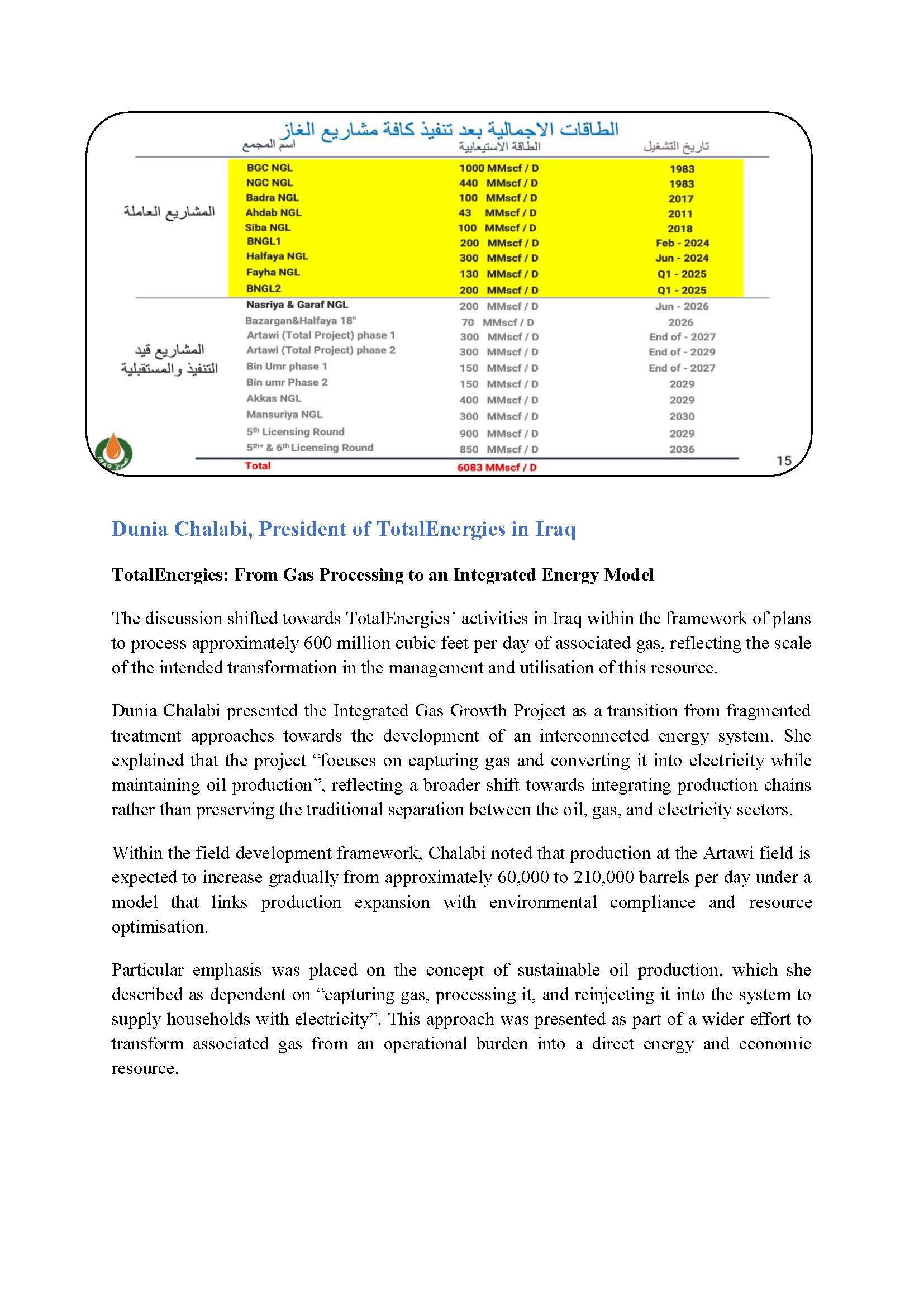
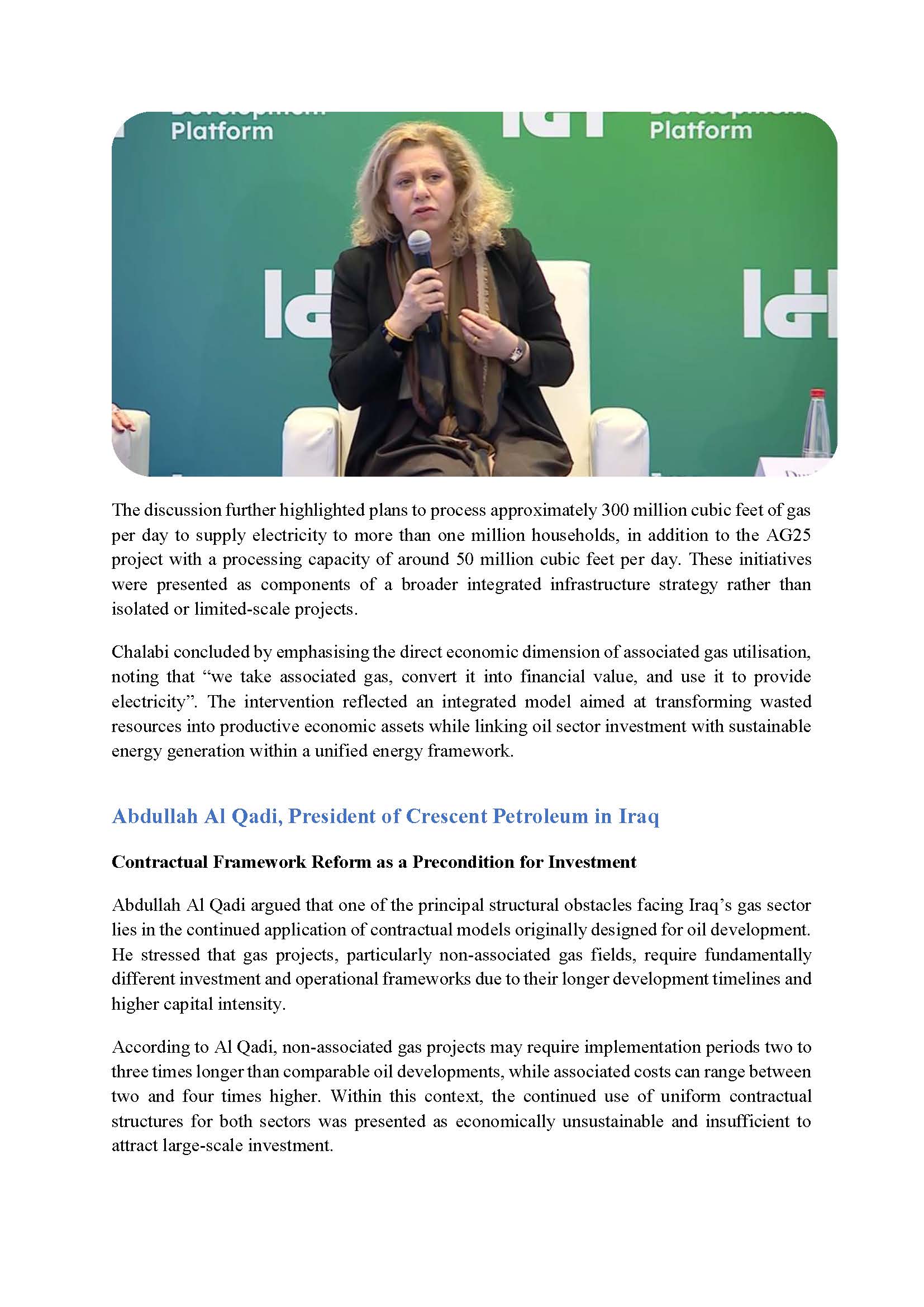
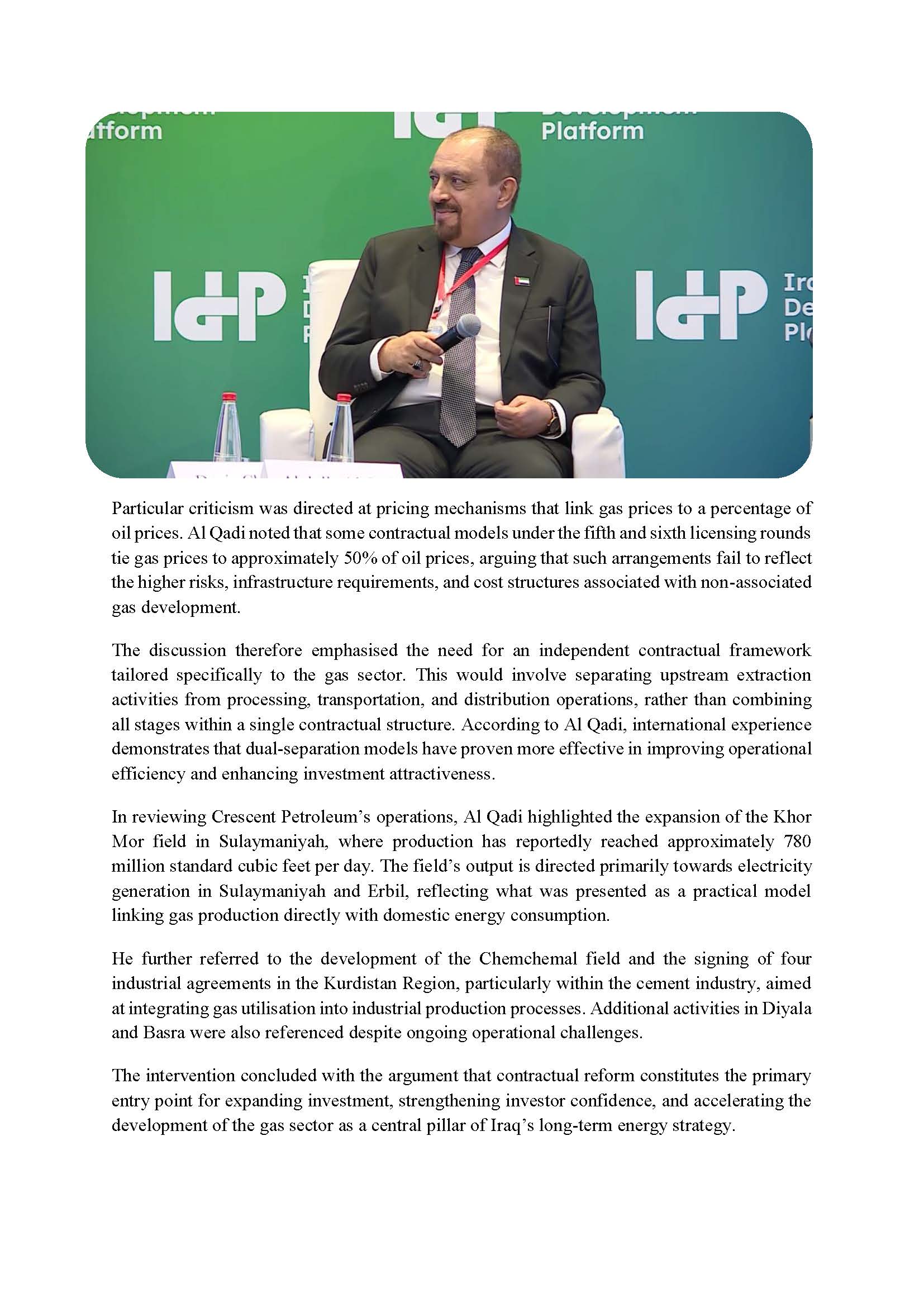
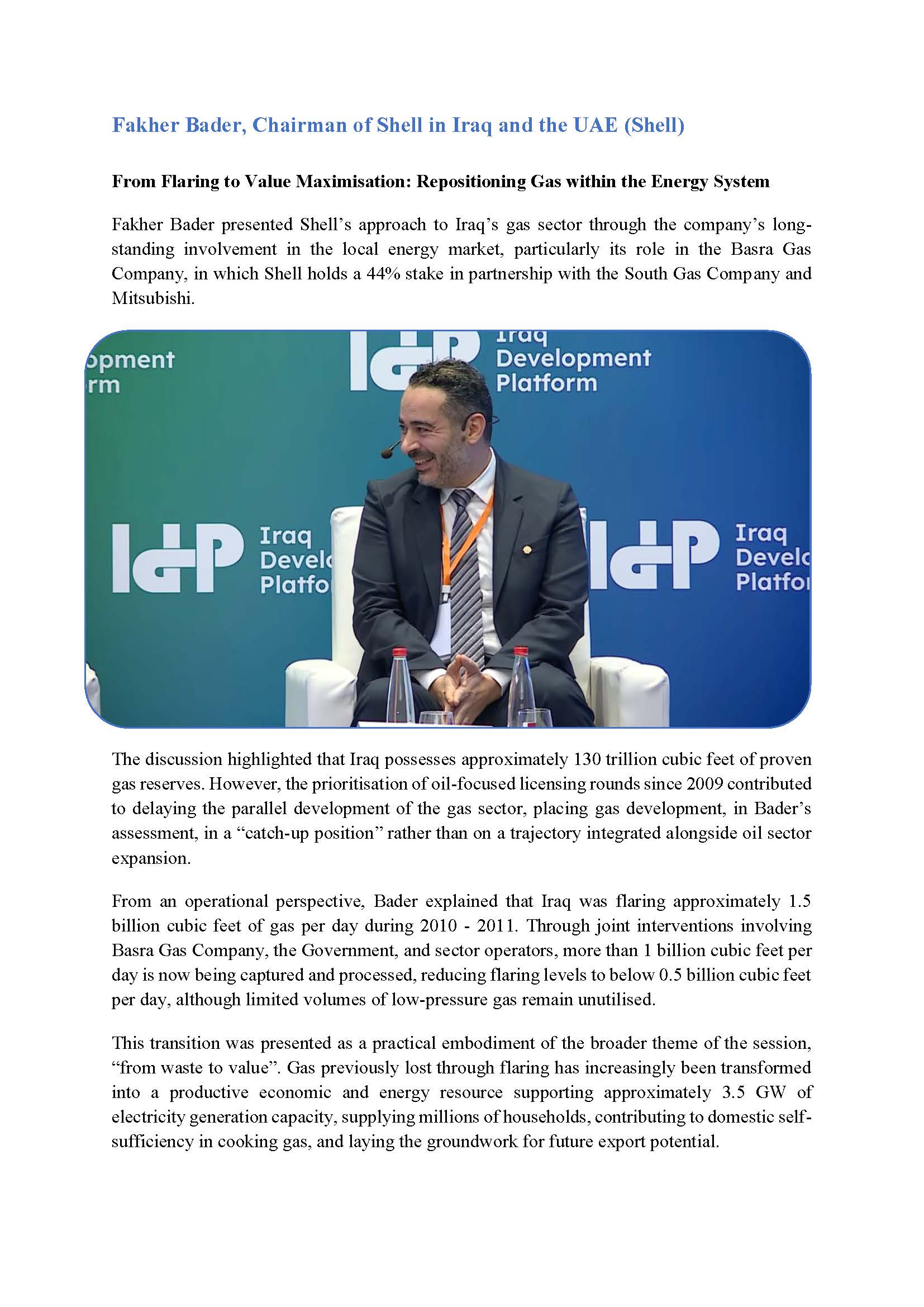
Day One - Energy Transition and Visions
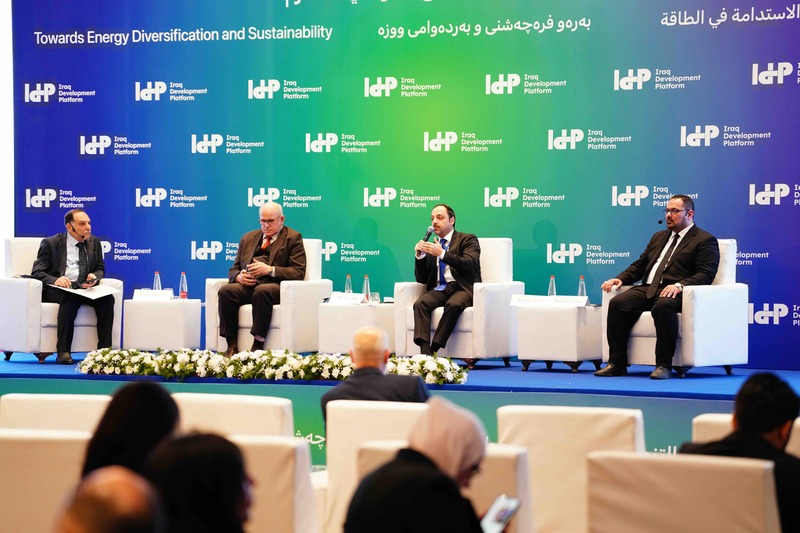
Session Two
From Emissions to Opportunities:
Carbon Policy, Clean Air, and the Green Economy in Iraq
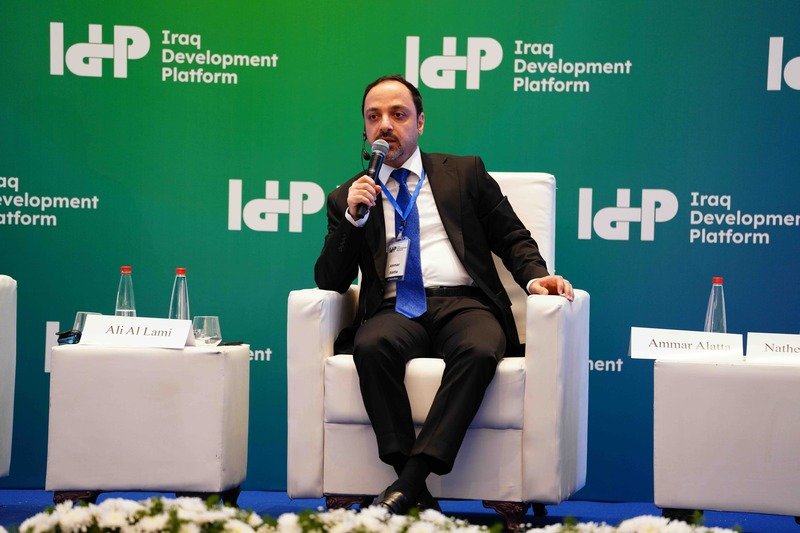
- Ali Al-Lami, Advisor to the Prime Minister for
- Ammar Al-Atta, Advisor, Ministry of Environment
- Mustaf Mustafa, Deputy DG, General Company for Carbon Economics
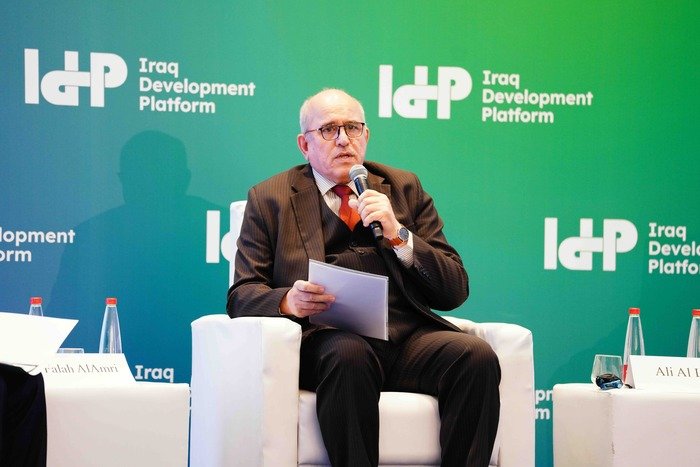
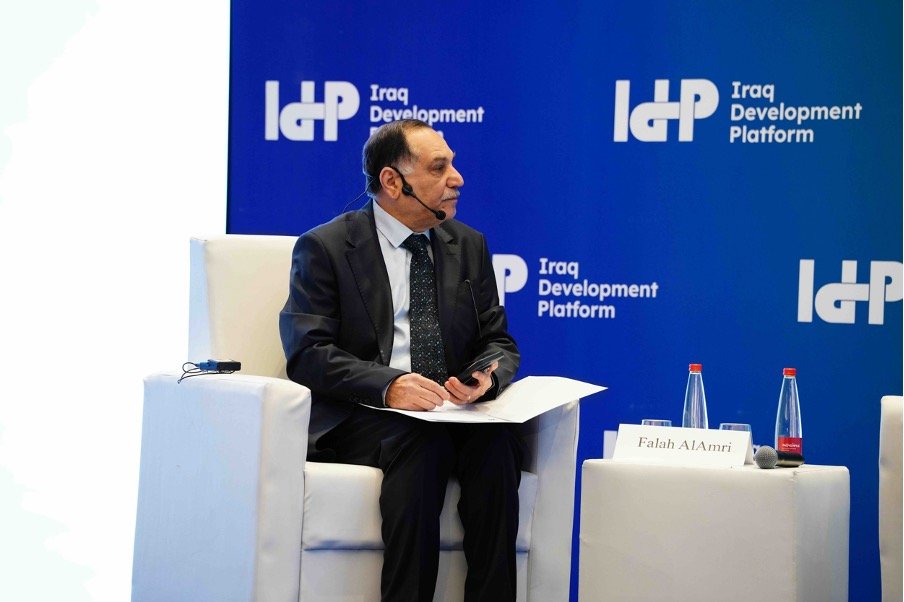
- Falah Alamri, Advisor to the PM for Energy Affairs, Session Moderator
Discussion Framework
The session addressed the challenge of balancing Iraq’s carbon-intensive economic structure with the transition towards a greener economy, within the broader context of sustaining economic growth while simultaneously strengthening environmental sustainability.
Discussions focused on the policies, investments, and technologies capable of reducing emissions, improving air quality, and expanding reliance on clean energy sources, thereby supporting a gradual and economically responsible transition towards a more sustainable development model.
The session also examined the emerging opportunities associated with the carbon economy, not only as a mechanism for environmental compliance, but as a potential investment and development pathway capable of supporting economic diversification, generating new markets, and creating employment opportunities in Iraq.
From Emissions Management to Building a Green Economy
The session was opened by the moderator, Adviser to the Prime Minister for Energy, Falah Alamri, who argued that carbon emissions and clean air issues can no longer be treated as isolated environmental concerns. Rather, they have increasingly become direct determinants of Iraq’s economic trajectory, investment environment, and long-term development prospects.
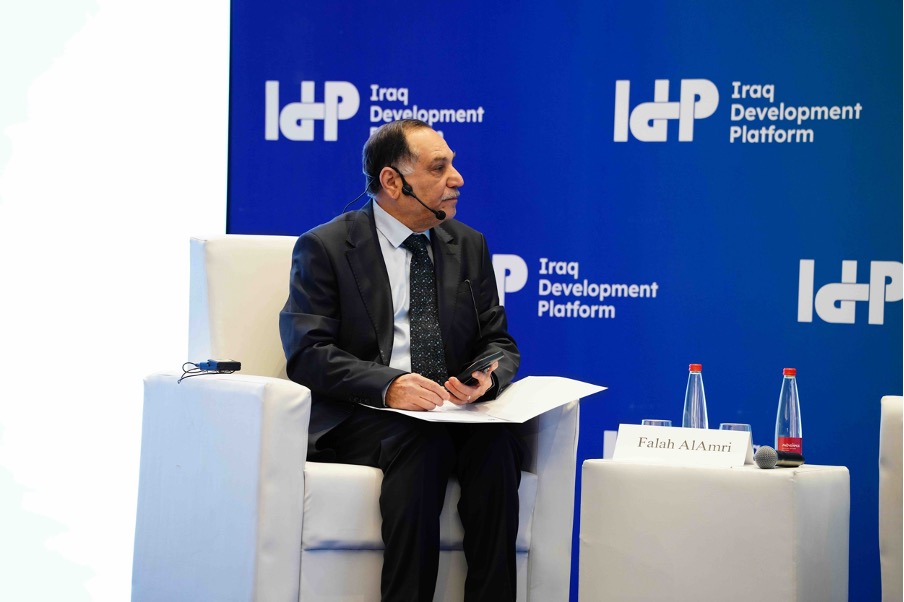
Alamri stressed that addressing these challenges requires moving beyond a purely regulatory approach towards a broader economic and strategic framework that redefines the foundations of growth and integrates environmental considerations into the core of national economic planning.
Ali Al-Lami - Adviser to the Prime Minister for Climate Affairs
Climate and Energy: From Crisis Management to Structural Transition
Al-Lami stated that the climate portfolio was placed among the Government’s early strategic priorities, reflected in the convening of a national conference in Basra within the first months of its formation. This initiative, he explained, was intended to shift the national agenda from problem diagnosis towards implementation-oriented climate action.
He noted that Iraq is facing mounting climate pressures, including rising temperatures, intensified dust storms, advancing desertification, and associated public health and environmental impacts. In
this context, he stressed that Iraq is among the most vulnerable countries to climate change, particularly in relation to food and water security.
Within the energy sector, Al-Lami highlighted a significant shift in associated gas management. He explained that the Government has succeeded in reducing gas flaring by nearly 70%, with a strategic objective of achieving zero flaring by 2028. This transition, he argued, reflects a broader shift from resource wastage towards economic and environmental value creation.
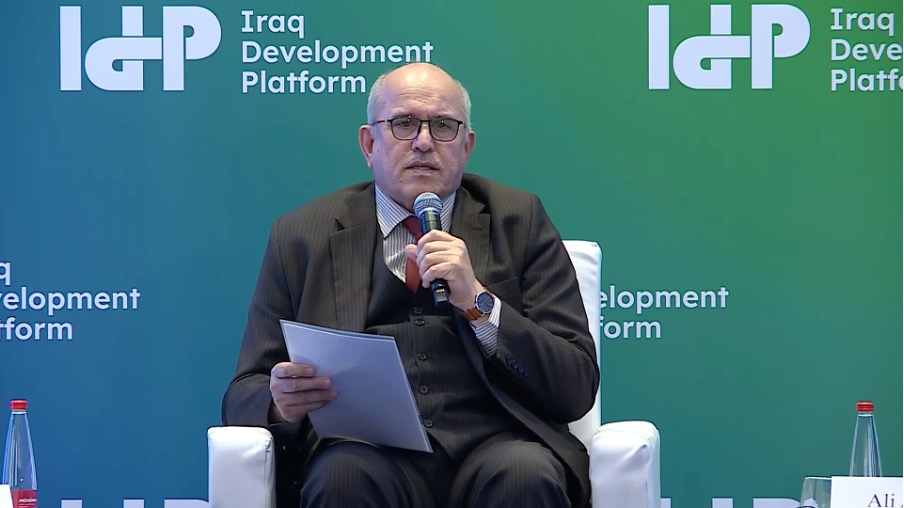
He further noted the introduction of stricter environmental standards across oil and gas projects, including mandatory environmental impact assessments and the adoption of lower-emission production technologies. In this regard, he stated that “investment in oil and gas must be conducted within frameworks that protect the environment and reduce the impacts of climate change .”
Al-Lami also reviewed key reforms in the electricity sector, including the expansion of combined-cycle power plants, a gradual transition away from heavy fuel oil towards gas and LPG, and the strengthening of methane monitoring and leakage control systems. These measures, he explained, form part of a broader effort to reduce the carbon intensity of energy production.
Renewable Energy and the Green Economy
Al-Lami confirmed that the Government has taken concrete steps to support renewable energy development through the licensing of solar power projects and the launch of subsidised financing programmes supported by the Central Bank of Iraq, amounting to approximately USD 600 million. These initiatives are designed to encourage households and the private sector to adopt clean energy solutions.
He also noted the exemption of electric and hybrid vehicles from customs duties as part of efforts to accelerate the transition towards lower-emission transport systems.
Within the green economy framework, he highlighted waste-to-energy initiatives involving the processing of approximately 4,000 tonnes of waste per day for recycling and electricity generation. He further pointed to carbon footprint reduction programmes, including the training of around 7,000 government employees in emissions measurement and reduction methodologies, reflecting the institutionalisation of sustainability practices within the public sector.
Carbon Economy and International Engagement
Al-Lami noted that the green transition is already generating tangible economic effects through the development of carbon markets, the emergence of specialised carbon credit trading companies, and the expansion of the green buildings sector. These developments are also contributing to new employment opportunities in renewable energy, afforestation, and sustainable agriculture.
He further highlighted the expansion of national tree-planting initiatives from 5 million to 10 million seedlings, with active participation from the private sector.
At the international level, Al-Lami called for the establishment of a permanent climate negotiation team composed of young and specialised professionals to ensure continuity and institutional memory in Iraq’s engagement in global climate forums. He concluded by emphasising that Iraq is pursuing a balanced approach between environmental commitments and economic priorities, noting that the country’s contribution to global emissions remains limited at approximately 0.1%.
Amar Al-Atta - Technical Adviser, Ministry of Environment
Air Pollution between Public Health and Resource Management Efficiency
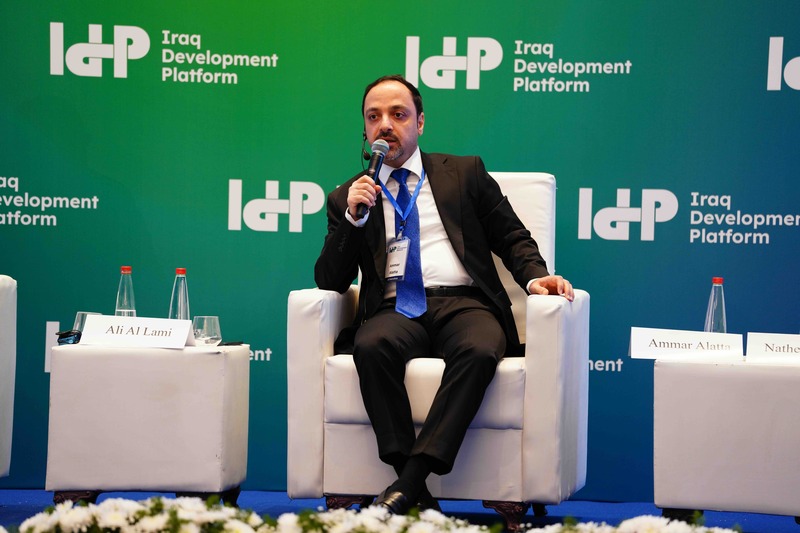
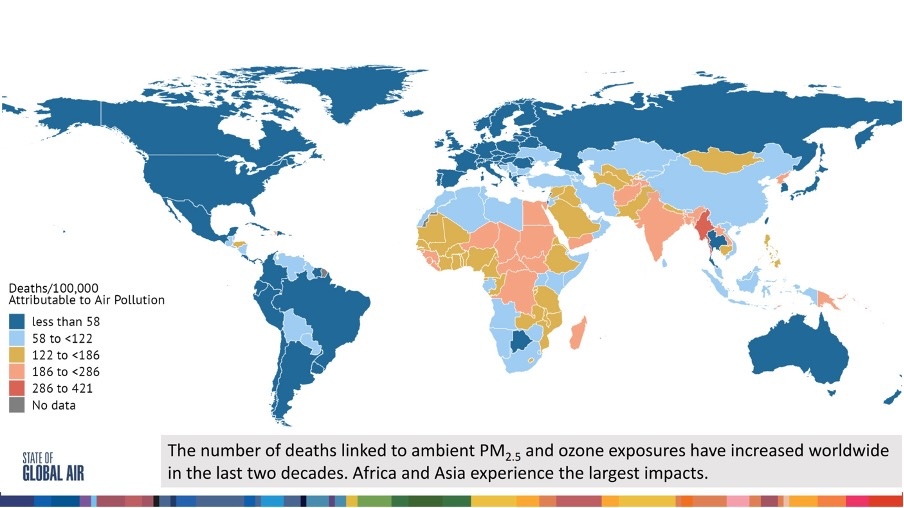
Al-Atta framed air pollution as a structural challenge spanning health, economic, and governance dimensions, extending beyond traditional environmental policy considerations. He emphasised that “air quality and air pollution are the major global issue facing most countries worldwide”, noting that more than 98% of the global population is exposed to air that does not meet World Health Organisation standards. Particular concern was placed on fine particulate matter (PM2.5) and its direct link to chronic disease and premature mortality.
He further highlighted that Iraq falls within the “red zone” of global air quality indicators, with approximately 6,000 deaths attributed to air pollution in 2023. This, he stressed, underscores the extent to which air pollution constitutes not only a public health challenge, but also a significant economic and development burden. Pollution sources were identified as diverse, including power generation, industrial emissions, transport, private generators, and recurring dust storms.
Environmental data and monitoring as a foundation for policy
Al-Atta stressed that the effectiveness of environmental policy is fundamentally dependent on data accuracy and reliability. He noted that some internationally circulated classifications of Baghdad’s air quality are “inaccurate”, due to reliance on non-standard monitoring stations and measurement devices. He added that “air quality is highly dynamic”, subject to continuous fluctuation and influenced by multiple climatic and environmental factors, thereby requiring an integrated national monitoring system.
In this regard, he referred to Ministry of Environment efforts to strengthen monitoring capacity through the establishment of standardised air quality stations across urban, industrial, and rural areas. This initiative aims to build a reliable national database to support long-term environmental planning and evidence-based policymaking.
Waste management and air quality: from burning to processing
Al-Atta confirmed that waste management represents one of the key contributors to air pollution in Iraq, noting that the country generates approximately 50,000 tonnes of waste per day, of which around 20% is openly burned, significantly increasing harmful emissions.
He highlighted the Nahrawan waste-to-energy project, designed to process approximately 3,000 tonnes per day, alongside sanitary landfill initiatives implemented in cooperation with the United Nations and the Clean Air and Climate Coalition. These measures are intended to reduce uncontrolled burning and improve overall waste management systems.
Emission reduction and investment in air quality
Al-Atta underlined that the cost of preventive environmental action is significantly lower than the long-term health and economic losses caused by pollution. He outlined a set of policy measures including the replacement of heavy fuel oil with cleaner alternatives such as LPG, reduction of methane leakage, improvement in energy efficiency, and deployment of modern emission-control technologies.
He concluded that improving air quality represents a long-term strategic investment in both public health and economic stability, stressing that human losses cannot be fully quantified in monetary terms, which elevates air quality as a strategic national priority.
Mustafa Mahmoud Mustafa - Deputy DG, General Co. for Carbon Economics
Carbon economy: from environmental commitments to investment opportunities
Mustafa Mustafa framed climate change as both an environmental and economic issue, noting that the establishment of the General Company for Carbon Economics reflects Iraq’s international commitments under the United Nations Framework Convention on Climate Change, the Paris Agreement, and Law No. (21) of 2020, particularly provisions related to carbon markets.
He explained that these frameworks enable the transformation of emissions reductions into tradable economic assets, within a strategic approach aimed at establishing a national carbon market and strengthening Iraq’s emerging green economy.
Building a Carbon Market and Linking Environment to Investment
Mustafa outlined three core pillars of Iraq’s emerging carbon economy: the emissions base (and associated reduction potential), the legal and regulatory framework led by the Ministry of Environment, and the societal dimension reflected in health and economic co-benefits.
He explained that the General Company for Carbon Economics functions as a regulatory and coordination platform designed to convert emissions reduction initiatives into measurable economic value. This is achieved through the registration of projects within a unified national framework, coordination between government institutions and the private sector, and the development of mechanisms for issuing and managing carbon credits.
He further noted that the carbon market is evolving towards a fully integrated financial system, with international carbon prices projected to reach approximately EUR 200 per tonne by 2030. This trajectory, he emphasised, requires robust monitoring, reporting and verification (MRV) systems, as well as specialised technical and institutional capacity to ensure credibility and market integrity.
From emissions reduction to economic returns
Mustafa highlighted significant progress in the associated gas sector, noting that Iraq has succeeded in utilising approximately 70% of previously flared gas. This development has contributed both to emissions reduction and to the generation of additional economic value.
He added that 95% of the company’s revenues are transferred to the Ministry of Finance for reinvestment in environmental and development-related projects, reflecting the growing integration of carbon-related revenues into the public financial system.
He further stated that Iraq is gradually transitioning from a fossil fuel-dependent model towards a lower-carbon development pathway, based on income diversification and improved utilisation of environmental resources. This transition is being implemented in coordination with the Central Bank of Iraq, the Ministry of Oil, and national investment institutions.
Practical applications and institutional capacity building
Mustafa reviewed several practical emissions reduction initiatives, including waste-to-energy projects, the use of gas in the cement industry, and the deployment of refuse-derived fuel (RDF) in industrial processes.
He also noted that Midstream Oil Company has achieved annual emissions reductions of approximately 200,000 tonnes through methane leakage mitigation and operational efficiency improvements, alongside renewable energy and energy efficiency programmes supported by the Central Bank of Iraq and the Ministry of Environment.
He concluded that the development of an effective national carbon market requires the completion of the legal and regulatory framework, the strengthening of MRV systems, and the development of national technical capacities capable of ensuring market transparency, credibility, and long-term investor confidence.
Q&A Session: Funding Gaps, Governance and Implementation Challenges
Gap Between Environmental Priorities and the Public Budget
Discussions highlighted a persistent gap between declared environmental commitments and their effective integration into the public budget, particularly in relation to financing pollution reduction and climate-related projects.
In this context, Ali Al-Lami explained that the three-year budget framework does include allocations for environmental protection and pollution mitigation. However, he noted that the principal challenge lies not only in the level of funding, but in the distribution of institutional responsibilities across the system.
He clarified that the Ministry of Environment operates primarily as a regulatory and oversight body, while implementation responsibilities are assigned to sectoral institutions, including the Baghdad Municipality and the Ministry of Municipalities, particularly in areas such as water pollution management. This division, while consistent with governance principles, has created coordination gaps between decision-making and execution. He further added that although this institutional separation is structurally necessary, it has a direct impact on the speed and effectiveness of environmental project delivery.
Absence of a dedicated environmental budget line
Al-Lami noted that a proposal had been submitted to establish a dedicated environmental and climate budget line within the federal budget, with an estimated allocation of approximately USD 7 billion for environmental projects.
However, the proposal was not incorporated into the final budget structure, reflecting a continued disconnect between strategic environmental priorities and actual fiscal allocations. As a result, environmental spending remains fragmented across sectoral allocations rather than being integrated within a unified investment framework.
International financing and the limits of external dependence
Mustafa Mahmoud Mustafa highlighted that international financing, through United Nations mechanisms and multilateral institutions, plays an important supporting role, particularly in the water, agriculture, and pilot environmental project sectors.
However, he stressed that such financing cannot replace domestic responsibility, emphasising that planning, implementation, and monitoring must remain primarily state-led functions.
Implementation challenge: from financing to results
The discussion underscored a broader structural challenge that extends beyond financing constraints. The key issue is not only the availability of financial resources, but also the capacity of domestic institutions to translate both national and international funding into measurable outcomes.
This highlights that progress in Iraq’s environmental and climate agenda depends on three interlinked pillars: restructuring budgetary priorities, strengthening institutional coordination, and enhancing implementation and monitoring capacity across government institutions.
Session Two Recommendations
First: Strengthening Environmental Governance and the Institutional Framework
- Enhance coordination between the Ministry of Environment and sectoral ministries to ensure effective implementation of emission reduction policies and air quality improvement measures.
- Introduce a dedicated environmental and climate change line within the general budget, with sustainable financial allocations for environmental projects.
- Update environmental legislative and regulatory frameworks in line with climate challenges and international commitments.
Second: Improving Air Quality and Reducing Emissions
- Accelerate the implementation of the national air quality monitoring strategy and expand the network of reference monitoring stations.
- Strengthen pollution reduction policies across the energy, transport, and industrial sectors through the adoption of clean technologies.
- Accelerate associated gas utilisation programmes and work towards achieving zero flaring within the announced timelines.
Third: Green Economy and Waste Management
- Develop an integrated solid waste management system covering collection, sorting, recycling, and treatment.
- Expand waste-to-energy projects as part of the circular economy approach.
- Support the transition to cleaner fuels in high-emission industries.
- Enhance the role of the private sector in the green economy through financial incentives and exemptions, and support for renewable energy and clean technology projects.
Fourth: Financing, Innovation, and International Cooperation
- Develop a national carbon market and strengthen green financing tools and carbon credit mechanisms.
- Build national capacities in emissions measurement, reporting, and verification (MRV).
- Enhance the utilisation of international financing and climate funds in line with national priorities.
- Support innovation and technology in water, clean energy, and integrated environmental solutions.
Day One - Energy Transition and Visions
Session Three
Electricity for All: Reform, Financing and Regional Integration
- Muhammed Al-Tufaily, Acting Minister of Electricity and Deputy Minister of Electricity
- Adel Ahmed, Advisor to the Prime Minister for Electricity Affairs
- Ali Shamara, Chief Executive Officer, Shamara Holding Group
- Ali Al-Samawi, International Energy Forum, Session Moderator
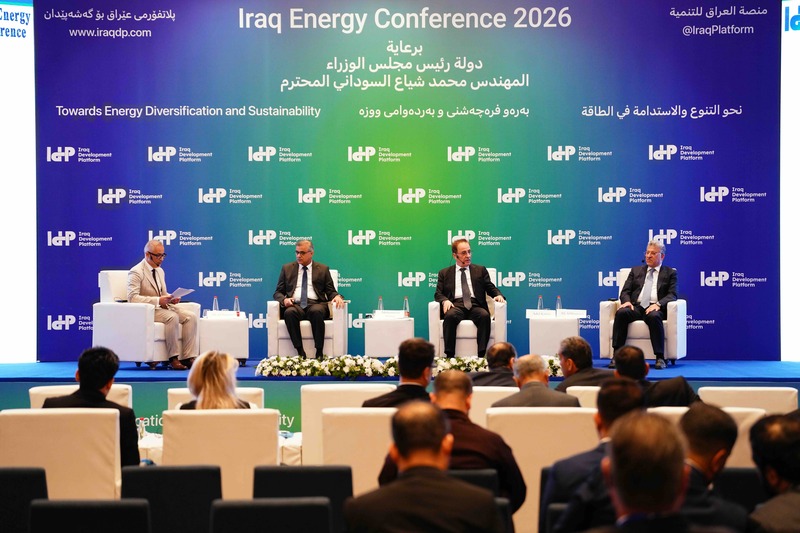
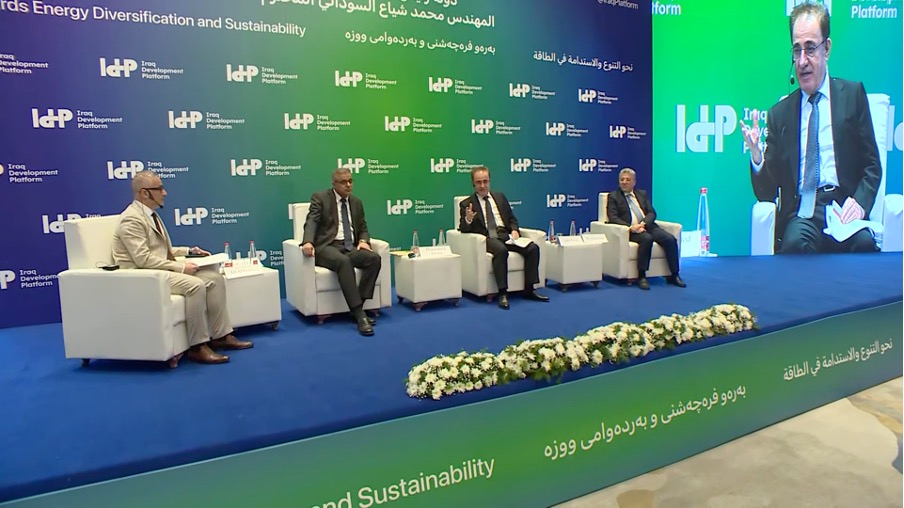
Electricity sector: a structural crisis with direct economic implications
This session brought together government officials and private sector representatives to assess the condition of Iraq’s electricity sector, in the context of growing consensus that the challenge extends beyond service delivery to constitute a structural constraint on economic stability and investment attractiveness.
Discussions underscored that persistent structural imbalances in the sector impose significant fiscal pressures on the state and constrain broader economic growth. As such, the electricity sector was identified as one of the principal bottlenecks affecting Iraq’s development trajectory.
Interventions focused on reform priorities, financing mechanisms, and the role of regional integration, while emphasising the need to move beyond short-term remedial measures towards addressing the underlying structural causes of inefficiency, particularly in governance, planning, and resource management.
From crisis management to sector reconstruction
In his opening remarks, moderator Ali Al-Samawi, representative of the International Energy Forum, emphasised that the electricity sector can no longer be treated solely as a public service issue, but must be understood as “a fundamental pillar of daily life and the national economy”.
He further noted that the sector serves as a key indicator for investors, as it is “one of the first areas investors assess when evaluating market stability and growth potential”.
He argued for a shift in focus from managing recurring crises to rebuilding the sector on a sustainable institutional and financial basis, stating that “the real challenge lies in moving from crisis management to building an electricity sector with clear rules and the capacity to attract long-term investment”.
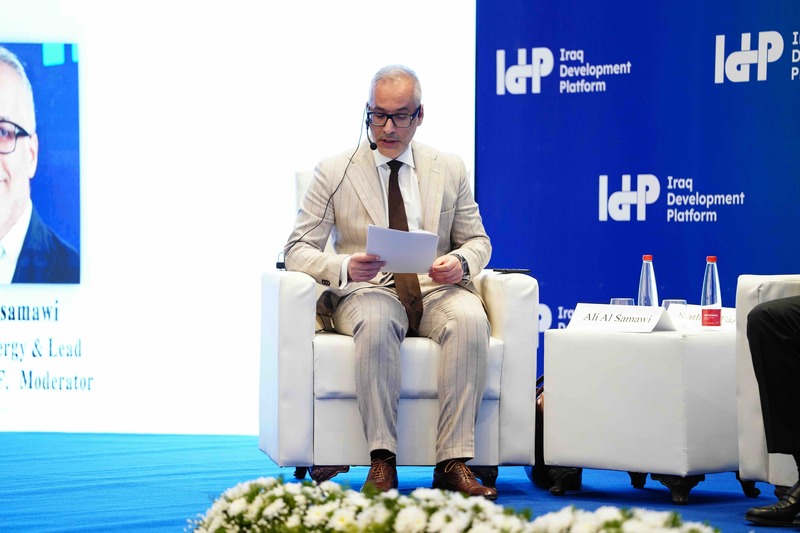
On governance, he highlighted the importance of clearly defining the roles of the state and the private sector, arguing that “the state must remain the regulator and guarantor of the service, while the private sector can serve as a key partner in financing, implementation, and operation”. This reflects a broader need for clearly structured partnership frameworks and institutional accountability.
He further emphasised the importance of strengthening Iraqi companies and expanding partnerships with international firms based on technology transfer and capacity building, as a pathway towards developing sustainable domestic capabilities rather than reliance on external support. Al-Samawi concluded by posing a central question framing the discussion: “Is Iraq’s electricity problem primarily a financing issue, a management issue, or a combination of both, and where should genuine reform begin?”.
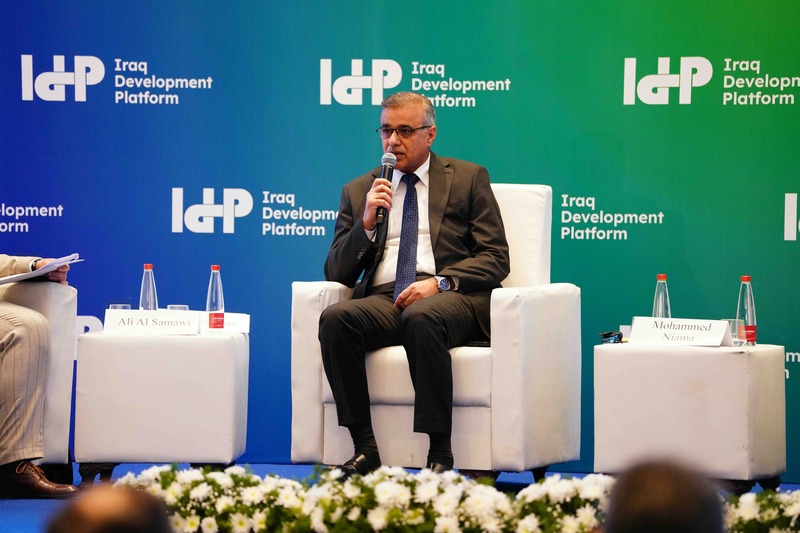
Mohammed Niama Al-Tufaily, Deputy Minister of Electricity
Government Perspective: Expanding Generation Amid Persistent Structural Constraints
Mohammed Al-Tufaily, Deputy Minister of Electricity and Acting Minister of Electricity, presented the Government’s assessment of the electricity sector, noting that the issue has increasingly become central to public and political debate. He also highlighted efforts to enhance transparency through the involvement of both executive and legislative institutions in discussions on sectoral challenges.
He explained that the Government has recorded progress across generation, transmission, and distribution, with Iraq reaching peak production levels of approximately 28,500 MW during the previous summer, reflecting a relative improvement in operational performance.
However, he stressed that these gains have not altered the structural nature of the crisis, which remains driven by a combination of technical, financial, and administrative constraints, in addition to external limitations linked to international contractors and global supply chains.
Fuel as a bottleneck: the critical link with the oil sector
Al-Tufaily identified fuel availability as the principal constraint on generation capacity, noting that “approximately 8,000 MW of generation capacity is currently offline due to fuel shortages”.
This, he explained, highlights a structural disconnect between the electricity and oil sectors. In this regard, he referred to ongoing coordination with the Ministry of Oil aimed at increasing gas supply through the utilisation of associated gas and the development of gas fields, within a five- to six-year plan beginning in 2025. This underscores the extent to which resolving Iraq’s electricity challenges is closely linked to progress in the gas sector.
Expansion plans: ambitious targets amid implementation constraints
Al-Tufaily outlined the Government’s expansion plans, combining public and investment-led projects, including:
- The development of approximately 230,000 MW of new generation capacity
- The integration of around 32,000 MW of renewable energy
- An increase in total generation capacity from approximately 28,000 MW to between 58,000 and 60,000 MW in the next phase
He further indicated that around 9,000 MW are expected to be secured in the medium term through projects implemented by the Ministry of Oil, while the remainder is expected to be delivered through electricity sector investments.
In the longer term, the national strategy aims to reach 104,000 MW by 2040, with annual production projected at approximately 71,000 MW. However, these targets also highlight a potential gap between strategic planning ambitions and implementation capacity, particularly in light of financial and administrative constraints.
Grid efficiency: losses and illegal connections as a parallel crisis
Al-Tufaily emphasised that the challenge extends beyond generation capacity to include the efficiency of the electricity network itself, noting that both transmission and distribution systems continue to suffer from high technical and commercial losses.
He indicated that specialised committees have been established under the direct supervision of the Prime Minister to oversee efforts aimed at reducing these losses and improving operational efficiency.
The Deputy Minister also highlighted the persistent issue of illegal grid connections, stressing that addressing this challenge requires both regulatory enforcement and changes in consumption behaviour. This reflects the extent to which demand-side management is as critical as supply expansion in addressing the electricity crisis.
Financing gap: the central challenge to sector sustainability
On financing, Al-Tufaily pointed to a structural imbalance between production costs and sector revenues, noting that electricity tariffs in Iraq remain among the lowest globally.
He explained that addressing this imbalance is essential for the long-term sustainability of the sector, as continued expansion of generation capacity cannot be maintained without a financially viable pricing and revenue model.
He added that the Ministry is working on developing new financing mechanisms to support project implementation. However, the success of these initiatives remains dependent on broader reforms to tariff structures and revenue collection systems, in order to achieve a sustainable balance between financial viability and social protection considerations.
Adel Karim Ahmed, Advisor to the Prime Minister for Electricity Affairs
Partnership with the Private Sector: A Strategic Option for Sector Restructuring
Adel Ahmed, Advisor to the Prime Minister for Electricity Affairs, presented the role of the private sector as a central pathway for restructuring the electricity sector, rather than a temporary or supplementary measure, stressing that engagement with the private sector represents “a strategic and urgent option”.
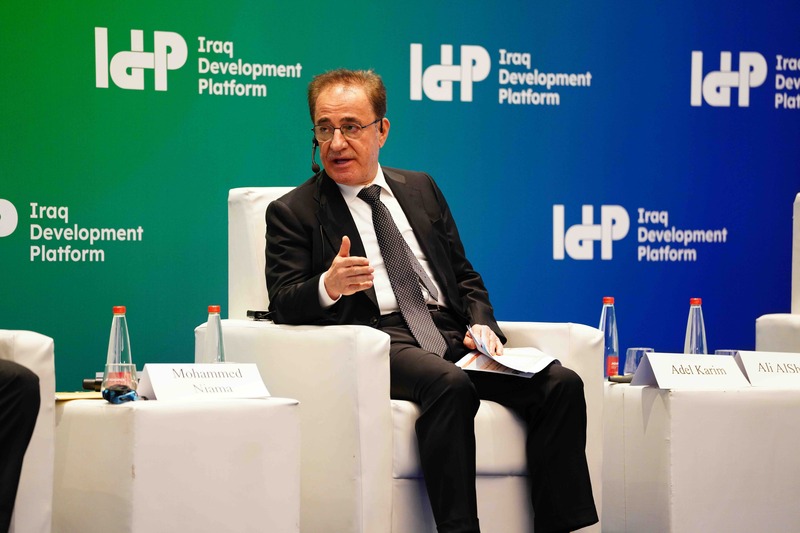
He noted that the Iraqi private sector currently manages more than 40% of electricity generation, achieving relatively higher levels of efficiency, supported by its operational flexibility and its capacity to engage rapidly with international companies in areas such as maintenance, procurement, and project implementation.
He further implied that this operational experience demonstrates the potential for expanding private sector participation as part of a broader restructuring of the electricity system, particularly in enhancing efficiency and improving service delivery outcomes.
In this context, Adel Ahmed pointed to a government direction towards transferring part of the operation of generation plants to private management, alongside the expansion of combined-cycle projects, which enable the utilisation of waste heat to generate additional electricity without additional fuel consumption.
He noted that these projects could provide up to approximately 5,000 MW in the first phase, reflecting an approach focused on improving system efficiency rather than relying solely on increasing resource input.
Grid modernisation: reducing losses and recalibrating the pricing model
Ahmed explained that sector reform extends beyond generation capacity to include the modernisation of electricity infrastructure, particularly through the gradual introduction of a smart grid system in cooperation with the private sector.
He noted that the objective is to improve distribution efficiency and reduce losses, which currently exceed 50% of generated electricity, reflecting structural inefficiencies in network management. He further stated that this transformation could pave the way for a future revision of electricity tariffs within a more balanced framework that considers both production costs and social protection requirements, particularly for low-income groups. This places tariff reform at the centre of the broader electricity sector reform agenda.
Energy mix: domestic gas and renewables as drivers of expansion
Regarding future expansion prospects, Ahmed stated that the main constraints remain financing, fuel availability, and rapidly increasing demand, while indicating expectations that total generation capacity could reach approximately 70,000 MW by 2030.
He highlighted the significant untapped potential of Iraq’s gas sector, noting that investment in domestic gas could contribute an additional 22,000 to 25,000 MW of generation capacity, making gas development a decisive factor in achieving long-term energy stability.
At the same time, he referred to plans to expand renewable energy capacity to up to 14,000 MW in the medium term, as part of a broader strategy aimed at diversifying the energy mix and reducing dependence on conventional fuels.
Ali Shamara, Chairman of Shamara Holding Group
The Roots of the Crisis and Reforming the Operating and Pricing Model
Ali Shamara presented the electricity crisis as the result of cumulative structural distortions extending over several decades, beginning with periods of conflict and sanctions and continuing into the post-2003 era, which witnessed a rapid increase in electricity demand without
corresponding expansion in infrastructure planning or fuel supply capacity.
He noted that, although generation capacity has increased from approximately 3,500 MW in 2003 to several times that level today, this expansion has remained largely disconnected from an integrated national planning framework, particularly in relation to fuel availability and transmission and distribution network development.
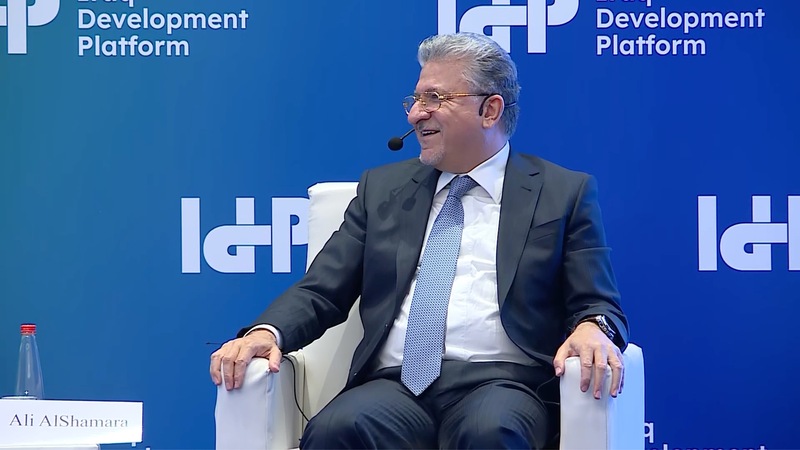
In this context, he indicated that current estimates point to a structural deficit of approximately 15,000 MW, while projected gas production is not expected to fully meet the requirements of a power system targeting around 50,000 MW.
On the financial dimension, Shamara identified electricity pricing as a central driver of the crisis, explaining that the current tariff structure results in annual system losses exceeding USD 10 billion, rendering the existing operating model financially unsustainable.
He argued that any meaningful reform process must be implemented gradually, balancing the protection of vulnerable groups with the need to reduce waste and improve consumption efficiency.
Despite structural imbalances, he noted that the domestic private sector has demonstrated significant operational capacity, currently managing approximately 3,000 MW with relatively higher efficiency and lower operating costs compared to traditional operating models.
Shamara concluded by stressing that addressing the crisis requires a shift from fragmented management approaches towards comprehensive structural reform, based on what he described as “shared responsibility between the state, consumers, and the private sector”, alongside the adoption of gradual but decisive reform measures to ensure the long-term sustainability of Iraq’s electricity sector.
Questions and Answers: LNG Imports, Renewable Energy, and System Reform
Mohammed Al-Tufaily - LNG Imports
Regarding liquefied natural gas (LNG), Al-Tufaily explained that this pathway is directly linked to market mechanisms and international standards. He stated that “the Iraqi Government, through the Ministries of Oil and Electricity, has this year succeeded in opening a new channel for LNG imports”, noting that a contract had been signed with a specialised international company to secure supplies of up to “500 million standard cubic feet per day”.
Adel Ahmed - floating and fixed gas infrastructure
Adel Ahmed explained that Iraq is pursuing two parallel tracks to strengthen gas import capacity. He noted that there are “two projects: the first involving a temporary floating platform under a five-year contract, and the second a permanent fixed platform currently in the final stages of negotiation”.
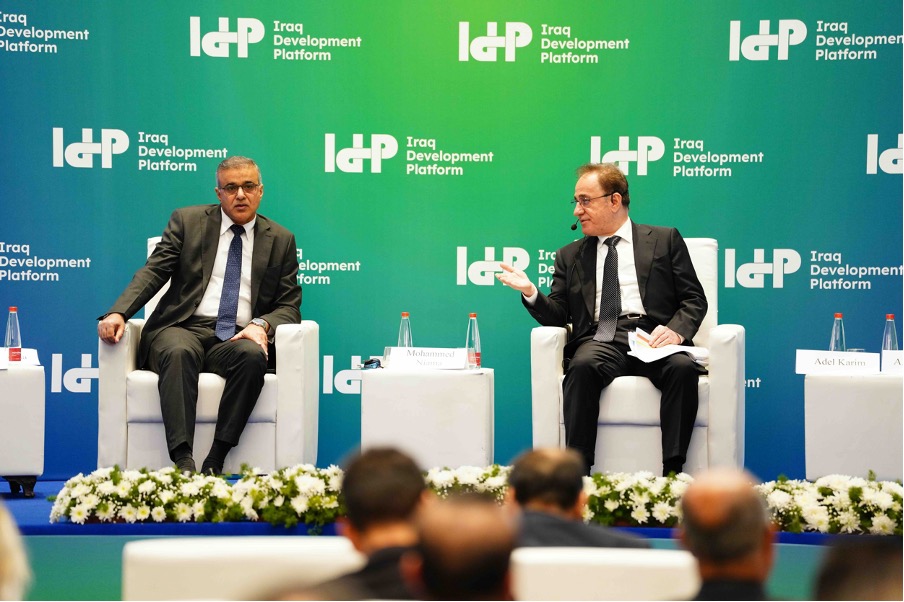
He added that the first phase of the permanent platform is expected to have a capacity of approximately “1,000 million standard cubic feet per day”. He further noted that these measures are expected to reduce dependence on unstable supply sources and improve the reliability of electricity generation operations.
Mohammed Al-Tufaily - waste-to-energy projects
On waste management and energy generation, Al-Tufaily stated that “a contract has been signed with Shanghai Company to process approximately 3,000 tonnes of waste per day for electricity generation”.
He explained that the National Investment Commission is responsible for managing these projects, while the Ministry of Electricity provides technical support and purchases the generated power, within a partnership model aimed at introducing alternative pathways to strengthen the generation system and diversify energy sources.
Ali Shamara - Solar energy and public awareness
Regarding solar energy, Ali Shamara explained that the Government has supported this direction through “the concessional loans provided by the Central Bank to citizens”, alongside measures facilitating the import of the necessary equipment.
However, he noted that the principal challenge remains linked to consumption behaviour, stressing that “the most important element lies in raising public awareness and encouraging citizens to adopt and use these systems”.
He further emphasised that solar energy does not represent a complete solution to Iraq’s electricity crisis, but rather one component within a broader package of solutions, stating that “solar energy is not the complete answer to the electricity crisis, but it is an important part of the solution”.
Shamara also highlighted the importance of implementing a smart grid system as a tool to improve revenue collection and regulate transmission and distribution operations, noting that despite the level of investment required, such systems could be developed through partnerships between the public and private sectors.
Mohammed Al-Tufaily - Service contracts rather than full privatisation
Clarifying the nature of current contractual arrangements, Mohammed Al-Tufaily stressed that “what is currently taking place is not full privatisation, but rather service and collection contracts with the private sector”. He noted that the application of this model in certain areas had contributed to “reduced consumption and improved continuity of electricity supply”.
In the context of growing pressure on the system, he also pointed to rapid population growth, explaining that “Iraq’s population has increased from approximately 25 million in 2003 to nearly 46 million today”, which has had a direct impact on electricity demand and further complicated system management.
Adel Ahmed - Financing solar energy and expanding generation
Adel Ahmed stated that “the Central Bank has allocated approximately IQD 1 trillion to support solar energy loans for citizens”, alongside the expansion of solar installations across government institutions and investment projects extending from Basra to Mosul.
He explained that “the first phase targets the production of 7,500 MW, with plans for further expansion thereafter”, while also noting the continuation of service contracts with the private sector as part of the current operational model.
He concluded by emphasising that addressing the electricity crisis requires a simultaneous package of measures involving financing, accelerated executive decision-making, and stable fuel supply, describing these elements as interdependent conditions that cannot be separated.
Recommendations of the Third Session
First: Strengthening Partnership with the Private Sector
- Consolidate partnership with the private sector as a long-term strategic option encompassing financing, implementation, and operation.
- Expand the role of Iraqi companies alongside international firms in energy and infrastructure projects.
- Develop flexible contractual models that enhance the sector’s attractiveness for long-term investment.
Second: Reforming the Electricity Sector and Managing Demand
- Gradually and carefully revise electricity tariffs in a manner that supports financial sustainability while protecting low-income groups.
- Accelerate the implementation of the smart grid system and reduce technical and administrative losses.
- Improve collection efficiency and strengthen the stability of electricity supply.
Third: Developing Fuel Supplies and Diversifying the Energy Mix
- Align electricity sector plans with those of the Ministry of Oil and accelerate gas investment projects.
- Support LNG projects as an interim solution to strengthen supply security.
- Expand renewable energy projects, particularly solar energy, and decentralised systems.
Fourth: Governance, Infrastructure, and Sustainability
- Reduce administrative complexities, enhance transparency, and accelerate decision-making processes.
- Invest in modernising transmission and distribution networks and reducing technical bottlenecks.
- Support waste-to-energy projects within a structured investment framework.
- Adopt a phased reform plan covering the short, medium, and long term to address structural imbalances in the sector.
Day One - Energy Transition and Visions
Session Four
Regional Energy Cooperation and Iraq’s Strategic Role
- Abdulbaqi Ali, Advisor to the Ministry of Oil
- Ali Al-Shatri, Director General of SOMO
- Adnan Al-Jabri, Former Deputy Chairman of the Parliamentary Oil and Gas Committee
- Wasim Azem, Managing Director of SLB Iraq
- Ghasan Hanoon, Journalist and Session Moderator
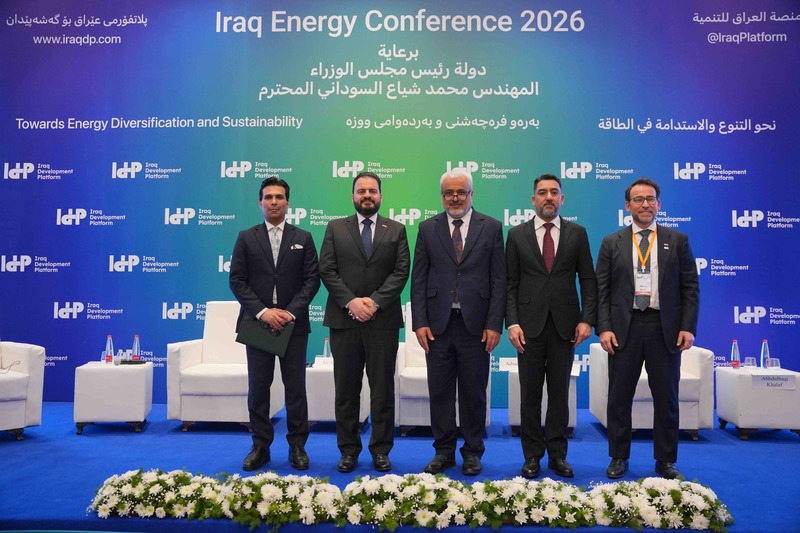
Framework of the Discussion
The session examined ongoing transformations in regional and global energy markets and the role Iraq could play as a strategic hub for energy production, transit, and regional integration.
Discussions focused on how Iraq’s geographical position and natural resource endowment could be leveraged to strengthen electricity interconnection, expand cross-border energy cooperation, and increase opportunities for trade and joint investment in the energy sector.
The session also addressed challenges associated with the evolving global energy mix and the transition towards more sustainable energy sources, alongside the policies and reforms required to strengthen the resilience of Iraq’s energy sector and ensure the sustainability of its role as a reliable supplier at both regional and international levels. More broadly, the session provided a platform for dialogue between policymakers and investors on the future relationship between energy security and economic development in Iraq and the wider region.
Sustainability of investment and strengthening Iraq’s regional role
Opening the session, the moderator noted that Iraq has achieved significant developments in the energy sector over the past three years, stressing that the principal challenge now lies in ensuring the sustainable and efficient utilisation of these achievements.
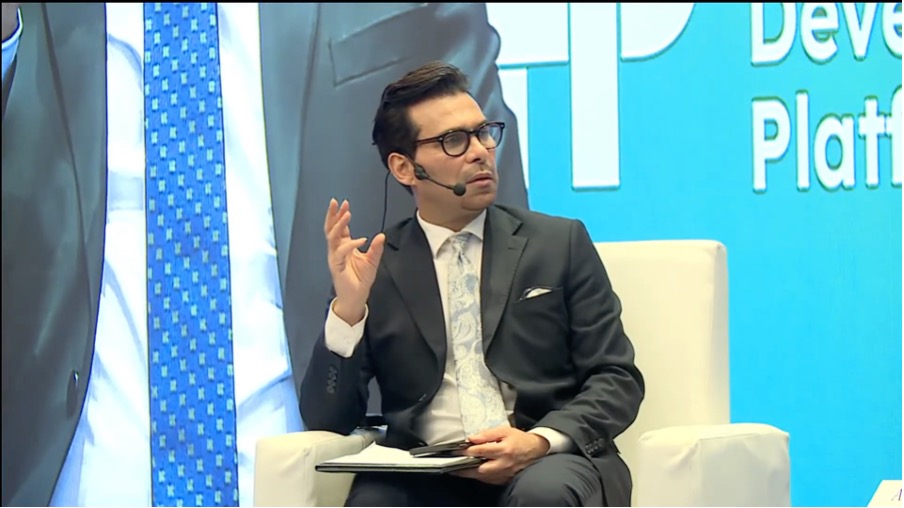
He emphasised that the objective is to translate recent progress into a long-term foundation capable of supporting economic stability and strengthening Iraq’s position as a central hub within the regional energy system.
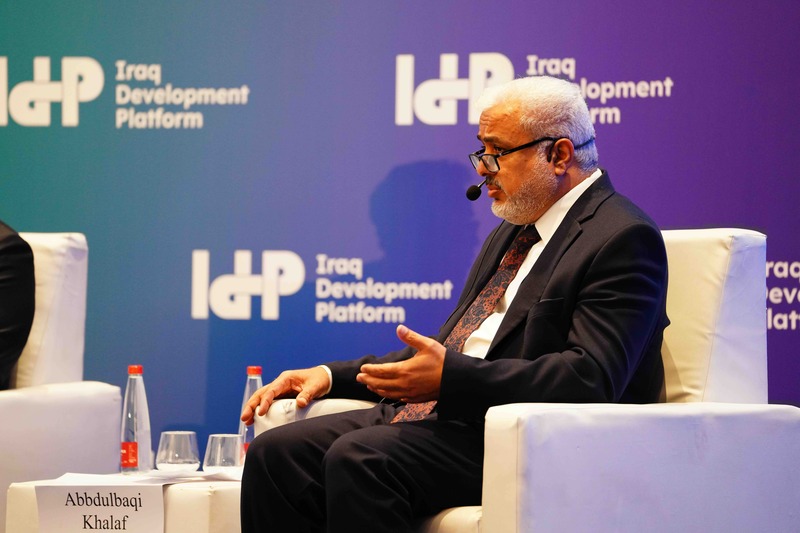
Abdulbaqi Khalaf Ali, Advisor to the Ministry of Oil
At the outset of the session, Abdulbaqi Ali presented a comprehensive assessment of the future of investment in Iraq’s energy sector, stressing that understanding the sector requires an integrated reading of global, regional, and domestic dynamics.
He explained that the global energy landscape is shaped by two principal approaches: the first, led primarily by producing countries, prioritises energy security; while the second, promoted by international institutions, places sustainability and the energy transition at the centre of policy priorities. In this context, he noted that “there are two schools of thought that view energy from different perspectives”.
He stated that this divergence is reflected in long-term projections, with some estimates indicating that global oil demand could increase by around 20% by mid-century, driven by demographic and economic factors, including population growth, urban expansion, rising income levels, and sustained demand for conventional fuels.
At the same time, energy transition policies are pushing towards reduced dependence on fossil fuels, creating what he described as a “continuous tension between energy security and
sustainability” in global energy policy formulation.
At the regional level, Ali explained that the energy transition has moved beyond the conceptual stage and become a tangible reality. Renewable energy capacity across the Arab region has already exceeded 43,000 MW, with projections indicating an increase to more than 235 GW, significantly surpassing Iraq’s current total electricity generation capacity.
He also highlighted the rapid development of energy storage technologies, referring to approximately 25 GW of solar energy storage projects across the region, which contribute to improving the stability and reliability of renewable energy systems.
Energy mix and economic transition
Regarding the energy mix, Ali noted that perceptions of renewable energy have undergone a fundamental shift over the past decade, as it is no longer confined to its environmental dimension but has become a competitive economic option.
He explained that the cost of solar energy in Iraq stands at approximately USD 40 per MWh, compared to more than USD 100 for fossil fuels when fuel and gas inputs are included, stressing that “renewable energies today have become clearly competitive economically”.
He also pointed to rapid structural changes in the transport sector, noting that around 25% of vehicles globally are now electric or hybrid, while this share has reached approximately 50% of new vehicles entering the Iraqi market. According to Ali, this reflects the accelerating electrification of transport, which accounts for nearly 55% of global oil demand.
At the national level, he reviewed Iraq’s efforts to develop renewable energy, referring to plans targeting approximately 12,000 MW of installed capacity, with the first major projects expected to enter operation soon.
At the same time, he acknowledged challenges related to land allocation, financing, and contractual procedures, stating that “we are behind schedule and will not achieve the planned targets within the specified timeframe”, while emphasising ongoing efforts to accelerate implementation and achieve gradual progress.
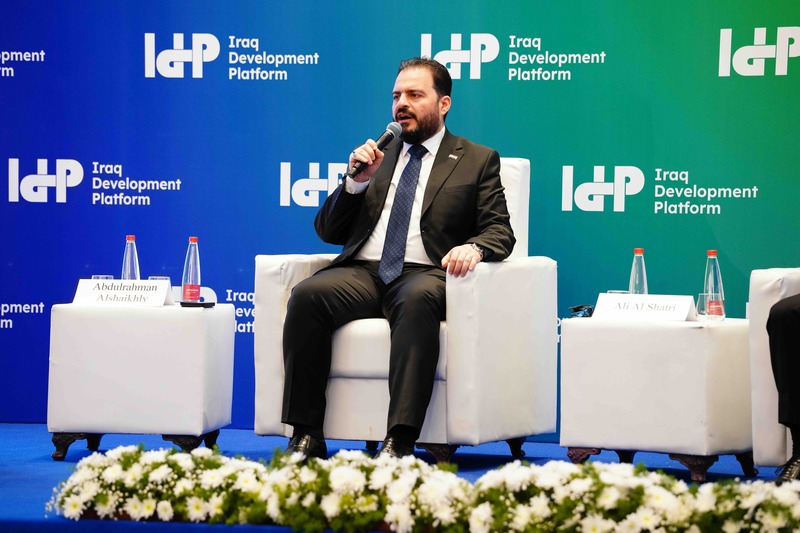
Ali Nazar Al-Shatri, Director General of SOMO
Reading the Challenges of the Global Oil Market and Iraq’s Marketing Strategy
In his assessment of developments in the global oil market, Ali Al-Shatri stated that the current phase is characterised by a high degree of uncertainty, noting that “the gap between the highest and lowest demand forecasts is roughly equivalent to global consumption”. He explained that this reflects unprecedented volatility, which is directly affecting decision-making among both producers and consumers and making market planning increasingly complex and less predictable than in previous cycles.
He further explained that this volatility makes it difficult to construct reliable economic models, adding that “the market no longer responds only to fundamentals, but is increasingly influenced by statements and expectations”, resulting in heightened fluctuations in supply and demand.
In this context, Al-Shatri stressed the importance of returning to market fundamentals based on supply and demand dynamics, while cautioning against excessive theoretical interpretations of energy transition scenarios. He noted that “the displacement of one energy source entirely in favour of another has not proven successful in practice”, referring to global disruptions such as the COVID-19 pandemic and the Russia-Ukraine war, during which some countries reverted to high-emission sources such as coal despite environmental commitments.
He emphasised that a more realistic pathway lies in improving the sustainability of oil and gas through technological advancement, highlighting the role of carbon capture technologies in reducing environmental impact rather than excluding fossil fuels from the energy mix. He added that “technology can work in two directions: developing clean energy and improving the efficiency and sustainability of fossil fuels”.
At the market level, he stated that the challenge is not a lack of demand but rather distortions on the supply side, where “supply does not always reflect true economics”, leading to imbalances in market power and competitiveness.
He stressed the importance of positioning Iraq within the group of producers capable of capturing growth opportunities and strengthening their competitive standing in global markets.
Iraq’s marketing strategy and market resilience
Regarding Iraq’s strategy, Al-Shatri noted that the marketing policy is based on a proactive approach, stating: “We do not operate on a reactive basis, but according to a clear strategy for marketing oil and petroleum products across different markets.”
He explained that this approach aims to reduce the impact of market volatility through forward planning and risk diversification.
He also noted that this strategy has proven effective during periods of crisis, as Iraq managed to maintain uninterrupted export flows even at the height of the COVID-19 pandemic, reflecting the resilience and adaptability of its marketing system.
Finally, he emphasised that building long-term partnerships with international companies remains a core pillar of this strategy, alongside the use of flexible marketing tools such as spot contracts, enabling Iraq to “capture market opportunities and adapt to fluctuations in global demand”.
Adnan Al-Jabri, Form. Deputy Head of Energy Committee, Iraqi Parliament
Developing the Electricity Sector and Enhancing the Investment Environment
Legislative Framework and Investment Financing
In response to the session moderator’s question on the development of the electricity sector, Adnan Al-Jabri stressed that the success of any plans related to gas, renewable energy, or the maximisation of value-added from oil is directly linked to the existence of a comprehensive legislative and regulatory framework.
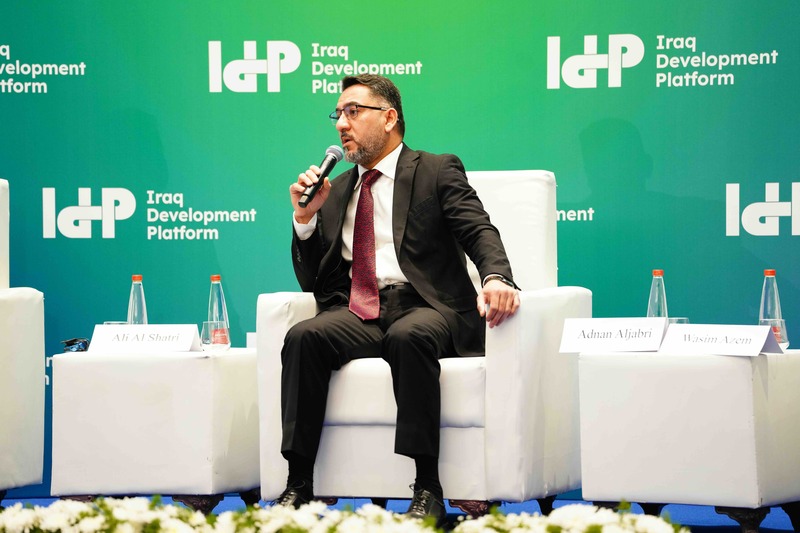
He explained that “the executive side cannot function effectively without a legal and regulatory framework”, noting that the development of the sector requires the adoption of new legislation, including a renewable energy law, as well as amendments to the refinery investment law in line with global transformations and to enhance investment attractiveness, particularly in the gas and electricity generation sectors.
He stated that the issue is not limited to the absence of legislation, but also extends to the weak enforcement of existing laws, pointing out that “we have enacted laws, but they have remained ink on paper”, which limits investors’ ability to enter the market and affects the implementation of government plans.
He called for the development of a renewed economic legislative framework alongside the activation of existing but unimplemented laws, stressing that the lack of effective enforcement constitutes a major barrier to investment.
With regard to financing and infrastructure, he highlighted a direct link between legislation and
project financing, explaining that “investment in the oil, gas, and electricity sectors is primarily dependent on financing linked to laws”, noting that project funding in Iraq is often channelled through the federal budget law, making legislation the starting point for any investment activity, whether domestic or foreign.
He also pointed out that recent years have witnessed progress in the government’s vision and a clearer political direction towards reforming the energy sector, which has contributed to a gradual path of change.
He concluded by emphasising that Iraq faces a critical strategic choice, stating that “reliance on
crude oil alone is no longer sufficient”, in light of population growth, economic expansion, and increasing financial obligations. This necessitates expanding Iraq’s role in energy markets through the development of gas, petroleum derivatives, and electricity generation, and maximising the economic value of available resources.
Wasim Azem, Managing Director SLB Iraq
The Role of Technology in Developing the Energy Mix and Digital Transformation
At the outset of his intervention, Wasim Azem stressed that Iraq represents a strategic long-term investment market in the energy sector, noting that SLB has operated in the country for approximately 87 years, with expectations for continued engagement and investment over the coming decades.
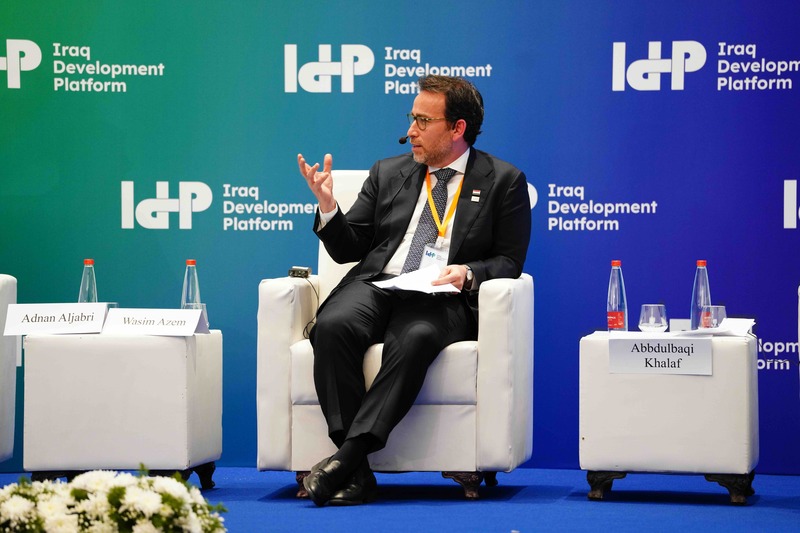
He explained that the role of technology companies lies in “unlocking the latent potential of
energy,” particularly through supporting the development of a more diversified and balanced energy mix, with natural gas currently viewed as a key transitional component.
Gas projects, including the Akkaz field, were presented as requiring advanced technological solutions due to the greater technical complexity of gas extraction compared with oil production. In this context, Azem observed that “gas well drilling is more complex,” reinforcing the importance of international technology providers in supporting sector development.
At the same time, oil was described as likely to remain a central component of the global energy system in the long term, although future production will increasingly depend on higher operational efficiency and lower carbon intensity.
Within this framework, digital transformation was identified as a fundamental pillar for sector development, particularly as “digital solutions contribute to reducing costs, improving efficiency, and measuring emissions,” amid rising international environmental and regulatory requirements. Achieving such standards, however, requires advanced monitoring systems and stronger integration between technology, operational processes, and investment frameworks.
The intervention also highlighted the importance of human capital development as a prerequisite for long-term sustainability. International companies were described as contributing to the training and qualification of Iraqi graduates according to international standards, thereby strengthening workforce readiness and improving sectoral efficiency over time.
Regarding the investment environment, Azem argued that challenges are not always linked to domestic conditions within Iraq itself, but often to external perceptions of the country, stating that “the challenge is often more psychological than real”.
Direct engagement and field visits by executive leadership were presented as important tools for reshaping such perceptions, particularly in light of the improvements witnessed in Iraq’s security environment in recent years.
The discussion further stressed that successful investment depends on integrated partnerships between government institutions, international companies, and the domestic private sector. Combining global technological expertise with local investment capacity was described as an important factor in reducing risks and increasing the likelihood of project success.
Azem concluded by emphasising that “being physically present inside Iraq is a decisive factor, because investment cannot be managed remotely; it requires direct understanding and the building of trust”.
Abdulbaqi Ali & Ali Al-Shatri - Sustainability, energy mix, and national policy framework
In a related intervention, Abdulbaqi Ali stated that Iraq possesses significant competitive advantages in the energy sector, particularly its relatively low production costs and substantial hydrocarbon reserves. However, he argued that the principal challenge lies in managing the sector’s carbon footprint within the context of global energy transition policies.
He emphasised that “sustainability does not mean the displacement of fossil fuels, but rather achieving a just energy transition,” highlighting the role of carbon capture technologies and international environmental standards in facilitating this process.
Ali further noted that Iraq has achieved an associated gas utilisation rate of approximately 75%, with expectations of reaching near-complete utilisation between 2028 and 2030. Fossil fuels, in his view, are expected to remain a central component of the national energy mix during the transition period, alongside the gradual expansion of renewable energy sources.
The intervention also stressed the importance of formulating high-level energy policy strategically prior to the legislative stage, through the involvement of research institutions and specialised governmental committees.
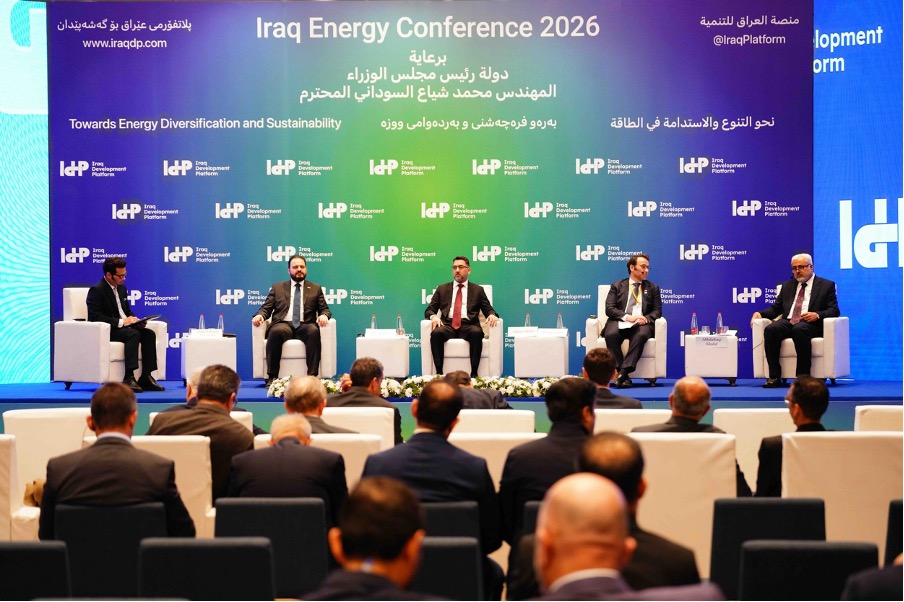
In this context, reference was made to a joint committee comprising the Ministries of Planning, Oil, Electricity, Water Resources, and Industry, which is currently preparing an integrated national energy strategy.
In response to the session moderator’s question regarding the extent to which ongoing reforms align with development requirements, Ali Al-Shatri affirmed that current measures represent a necessary step in the modernisation of the energy sector, stressing that transparency has become a fundamental pillar of sector governance.
He explained that “all data is now presented within high-transparency frameworks”, noting that decision-making is increasingly based on risk and opportunity analysis aimed at maximising economic value not only at the production stage, but across the entire oil and industrial value chain.
Al-Shatri also pointed to a structural challenge whereby production levels may at times exceed export capacity and available infrastructure, thereby necessitating more efficient resource management policies and the expansion of export outlets.
Within this framework, he called for accelerating economic diversification through directing part of oil revenues towards productive non-oil sectors capable of reducing dependence on hydrocarbons.
He further highlighted improvements in public finance performance, noting that non-oil revenues had increased from around 7% to between 13% and 15%, describing this as a positive indicator that should be consolidated in order to strengthen fiscal sustainability and broaden the national economic base.
Regarding the energy transition, Al-Shatri explained that movement towards cleaner energy systems may pass through natural gas, including potential hydrogen development pathways. He stressed the importance of aligning with global developments through a balanced and pragmatic vision for Iraq’s long-term energy future.
Adnan Al-Jabri - Structural challenges and energy sector reform
In response to the session moderator’s question on the key shortcomings in the current energy sector and the requirements for reform, Adnan Al-Jabri explained that today’s challenges stem from historical accumulations, primarily reflected in long-standing reliance on crude oil exports alongside the flaring of associated gas without full utilisation of available resources.
He noted that this trajectory was not a deliberate policy choice, but rather the result of cumulative political and economic constraints, stressing that Iraq has already begun correcting this direction through new legislation and government reform plans.
He added that the success of this reform path requires “financing, political stability, and societal support”, emphasising the importance of engaging citizens in understanding ongoing economic and environmental transformations.
He concluded by stressing that the next phase requires clear implementation programmes that support economic transformation, enhance sustainability, and create employment opportunities, alongside closer coordination between the legislative and executive branches to ensure tangible results.
Wasim Azem - Strategic Dimension, Project Integration, and Digital Transformation
In his intervention, Wasim Azem emphasised the importance of adopting a forward-looking vision that prepares Iraq for global market requirements, particularly in relation to emissions standards, including methane, alongside the development of existing fields and the investment of undeveloped acreage.
He noted that Iraq holds significant opportunities in untapped fields, requiring accelerated integration into the investment cycle. In this context, he stressed the importance of an integrated project execution approach, explaining that “integrating production stages from upstream to downstream helps accelerate execution, reduce costs, and minimise risks”, noting that this model is already expanding in Iraq.
Azem also affirmed that international companies have become part of the local business environment as a result of long-term engagement, strengthening integration with the Iraqi market. He stressed that partnerships between the government, international companies, and the local private sector form the foundation for expanding investment and reducing risk.
Regarding digital transformation, he explained that the digitisation of geological data and subsurface studies is a critical factor in accelerating investment decisions, stating that “data digitisation reduces decision-making time and lowers entry costs”, describing this shift as requiring relatively limited investment while delivering significant gains in reducing risk and improving market efficiency.
Azem concluded by emphasising the importance of investing in human capital, particularly youth, as a key pillar for unlocking Iraq’s future potential in innovation and advanced technologies.
Questions and answers
The session contributions converged on the view that the Development Road Project represents a strategic transformation that goes beyond a transport corridor, positioning it as a platform for restructuring the Iraqi economy and strengthening its role as a hub for regional integration. This vision is based on leveraging Iraq’s geographical location to connect East and West, with a focus on building an integrated economic system that supports production and service sectors along the project corridor.
Balance between exports and domestic consumption
A participant, Mr Abd Hamza, Adviser at the Ministry of Electricity, highlighted that achieving a balance between oil exports and meeting domestic demand remains a structural challenge, given the continued reliance of public finances on oil revenues. He explained that “fuel subsidies used in electricity generation make the current tariff structure unsustainable”, noting expectations that the cost of this support will increase further in the future.
He also questioned the rationale of using crude oil for power generation instead of directing it towards higher value-added industries, particularly in light of the continued burning of crude oil in some power stations.
Ali Al-Shatri - The Shift Toward Gas as a More Efficient Option
In his response, Ali Al-Shatri emphasised that the trade-off between exports and domestic consumption must be based on cost and return considerations, noting that “current subsidies make the use of oil in power generation less efficient compared to exporting it”.
He stated that the most sustainable solution lies in shifting toward gas and renewable energy, explaining that “the use of gas and modern technologies delivers higher energy output at lower cost”. He further stressed that reducing gas flaring and expanding its utilisation would contribute to increasing oil exports and improving the efficiency of national resource management.
Transparency of exports and denial of sanctions on SOMO
Regarding claims raised about the State Oil Marketing Organisation (SOMO), Al-Shatri denied the existence of any official indications of sanctions being imposed on the company, stressing that “what is being circulated originates from media reports rather than official sources”.
He explained that the company operates under high transparency standards, publishing detailed periodic reports on exports and revenues, and that all operations are subject to oversight and audit mechanisms.
He also noted that allegations regarding suspicious shipments are linked to attempts at obfuscation within global markets, rather than Iraq’s actual exports.
Regulation of Oil Exports via the Kurdistan Region
Ali Al-Shatri explained that oil exports are managed within a regulated framework based on a tripartite agreement, stressing that “all exports pass through SOMO”, while the Kurdistan Region covers its domestic needs from its allocated share.
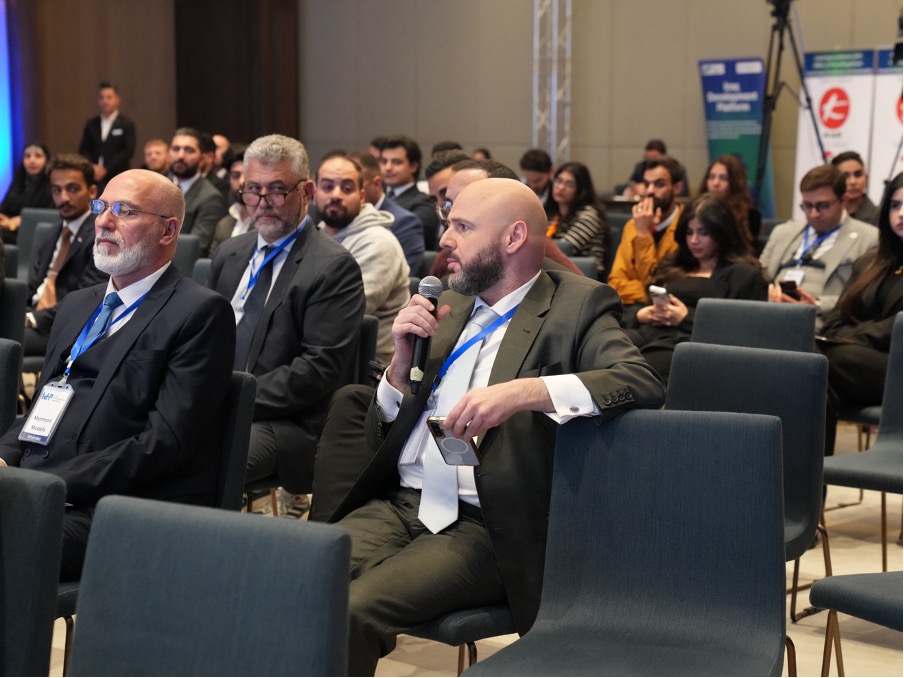
Al-Shatri added that this arrangement has contributed to strengthening oil revenues and improving Iraq’s negotiating position in global markets, with exports reaching approximately 200,000 barrels per day and with potential for further increases depending on the development of infrastructure and operational agreements.
Unifying visions and strengthening investment confidence
Abdulbaqi Ali stressed that specialised conferences serve as an important platform for aligning perspectives among key energy stakeholders, noting that they “bring together decision-makers and companies in one place”, thereby enabling broader coordination in policies and strategic directions.
He emphasised the importance of translating discussions into tangible implementation steps, considering that “sending clear reassurance signals to investors” is essential for strengthening confidence. He also noted that adopting an integrated energy strategy is a key entry point to ensuring sector stability and guiding it toward a clearer and more sustainable trajectory.
Messages to investors and government: stability and future opportunities
Ali Al-Shatri concluded by stressing that clarity in the investment environment is a fundamental
requirement for attracting capital, stating that “an investor needs a clearly defined ownership structure and a stable contractual framework”.
He called for expanding infrastructure projects such as pipelines, storage facilities, and export systems, describing them as promising investment opportunities that can contribute to sector development.
At the policy level, he highlighted the importance of reducing reliance on federal budget financing, noting that “granting ownership and operation of certain infrastructure projects to the private sector reduces the fiscal burden and increases efficiency”.
Al-Shatri concluded by pointing to the geopolitical dimension of the project, emphasising that this approach strengthens Iraq’s position as a strategic energy corridor linking the Gulf with Europe and Asia.
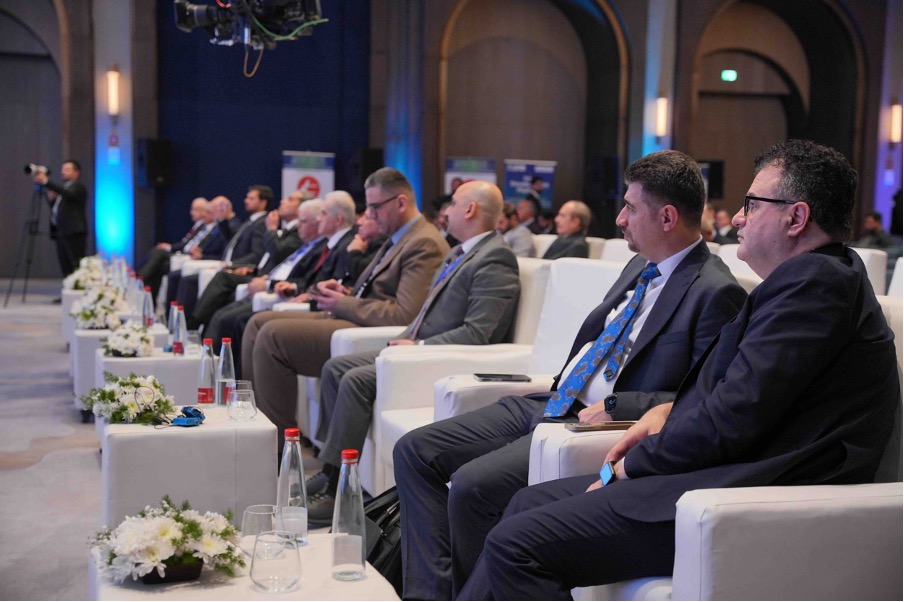
Session Four Recommendations
1. National Energy Policies and Strategies
- Adopt an integrated national energy strategy that balances energy security, sustainability, and the energy transition.
- Align legislation and executive policies with the national strategy to ensure effective implementation.
- Strengthen the role of research centres and experts in energy policy formulation.
2. Resource Utilisation and Economic Value Maximisation
- Accelerate the utilisation of associated and free gas to reach zero flaring targets.
- Gradually shift from oil-based power generation to gas and renewable energy sources.
- Develop integrated projects to improve efficiency and reduce investment risks.
- Diversify oil marketing tools and strengthen long-term partnerships with global markets.
3. Energy Transition and Environmental Sustainability
- Expand renewable energy projects within a balanced energy mix.
- Adopt emissions reduction and carbon capture technologies.
- Prepare for international environmental requirements related to emissions and methane.
- Adopt a realistic energy transition approach based on technology and sustainability.
4. Investment Environment and Governance
- Strengthen transparency and ensure a stable investment environment in the energy sector.
- Accelerate administrative procedures and reduce bureaucratic barriers.
- Develop direct communication channels with international investors.
5. Infrastructure and Economic Diversification
- Invest in energy infrastructure to enhance export capacity.
- Allocate part of oil revenues to support non-oil sectors.
- Promote digital transformation and digitisation of geological and oil data.
6. Human Capital and Technology
- Invest in training and upskilling Iraqi professionals in line with international standards.
- Support innovation, digital technologies, and artificial intelligence in the energy sector.
- Bridge the gap between education and vocational training to accelerate workforce integration.
7. Iraq’s Regional Role
- Strengthen Iraq’s position as a regional energy hub and strategic export corridor.
- Expand regional cooperation in energy, electricity interconnection, and gas infrastructure.
Day Two - Energy Transition and Perspectives
Session Five
Financing the Future of Energy in Iraq: The Role of Banks and Capital Markets
- Hussein Flamers, Adviser to the PM and DG, Leadership & Excellence Departm.
- Bilal Al-Hamadani, Chairman of the Board, Trade Bank of Iraq (TBI)
- Rafal Azeez, Central Bank of Iraq Initiatives Officer
- Bilal Sughayer, Resident Representative, International Finance Corporation (IFC)
- Ahmed Tabaqchali, Chief Strategist, Iraq Fund (AFC) – Session Moderator
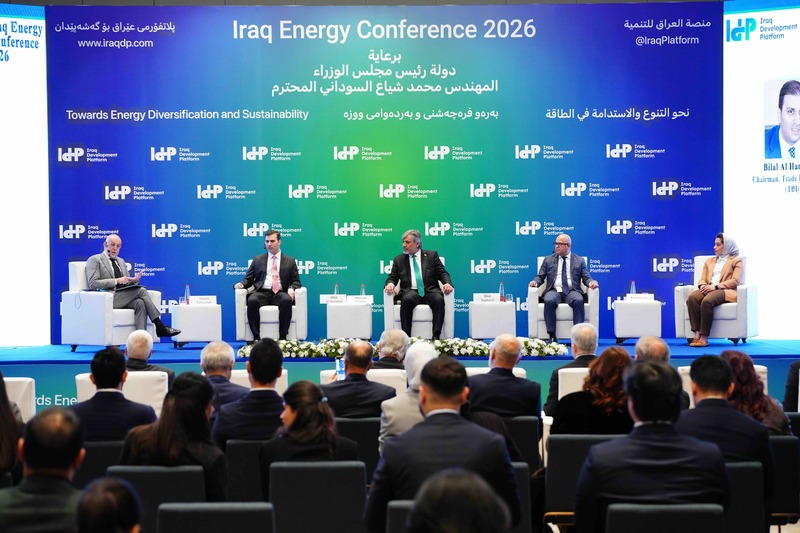
Financing Challenges and Banking Sector Reform
At the opening of the session, Ahmed Tabaqchali, Chief Strategist of the Iraq Fund (AFC), emphasised that financing represents a fundamental pillar for the development of the Iraqi economy, while arguing that the challenge is not rooted in the banking sector itself, but rather in the broader structure of the economic environment.
He pointed to the dominance of the informal economy and the widespread reliance on cash transactions as key constraints limiting the ability of banks to perform their lending function, stating that “the informal economy and heavy reliance on cash restrict banks’ capacity to extend credit”. He further explained that the effectiveness of the banking sector depends primarily on the volume of deposits, which constitute the principal source for financing loans.
In this context, he stressed that “loans are a core component of any modern economy”, arguing that sustainable economic growth cannot be achieved without a banking system capable of financing investment activity.
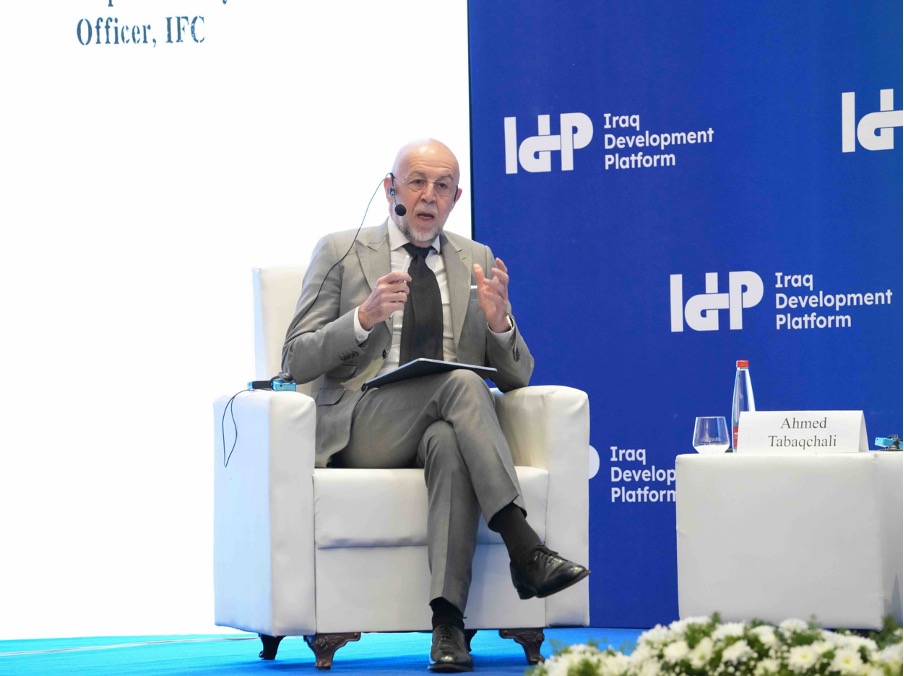
Tabaqchali also noted that the banking sector has undergone significant changes since November 2022, particularly following the introduction of the modern transfer system, alongside initiatives launched by the Central Bank of Iraq in the areas of reform and financial inclusion. He added that “the environment has begun to improve gradually in a way that supports the role of banks in financing the economy”.
His intervention reflected a broader institutional perspective that reforming the banking sector cannot be confined to financial institutions alone but must also address deeper structural imbalances within the economy, most notably reducing reliance on cash transactions and strengthening financial inclusion. According to this approach, enabling banks to play a more effective role in financing investment and supporting growth requires parallel reforms across the wider economic system.
Rafal Gameel Azeez, Director of Financing Initiatives, CBI
Central Bank Initiatives and Financing Green Projects
In response to the session moderator’s question, Rafal Azeez reviewed the principal initiatives launched by the Central Bank of Iraq to support economic sectors, noting that since 2015 it has introduced financing programmes with a total expenditure of approximately IQD 18 trillion.
She explained that these initiatives have encouraged banks to expand lending from their own resources and gradually reduce direct reliance on Central Bank financing programmes, thereby contributing to the strengthening of the domestic banking sector’s lending capacity.
Within the framework of supporting the transition towards a green economy, Azeez noted that the Central Bank launched a renewable energy initiative in 2020 worth approximately IQD 1 trillion, targeting projects such as residential solar energy systems in line with broader government policy directions.
Her intervention reflected a wider policy shift towards linking financial sector reform with sustainability objectives, particularly through the use of targeted financing mechanisms designed to stimulate investment in clean energy and support the gradual expansion of environmentally sustainable economic activity.
Despite simplified procedures and reduced interest rates, down to 2.5% for beneficiaries and 0.5% at the Central Bank level, Azeez noted that uptake remains limited, stating that “the biggest challenge lies in weak participation, particularly from state-owned banks, in addition to the accumulation of applications on the digital platform”.
She added that the Central Bank does not impose participation on banks, but instead encourages financing for green projects through incentive-based mechanisms rather than mandatory measures.
Azeez further noted that the initiative has been expanded to include waste recycling projects with financing of up to IQD 1 billion, alongside support for rehabilitating environmentally friendly brick factories, reflecting a gradual approach to strengthening sustainable development through targeted financing and environmentally focused investment activities.
Bilal Sughayer, Resident Representative, Int Finance Corporation (IFC)
Financing Energy Projects
In his remarks on the role of the banking sector in financing energy projects, Bilal Sughayer, Resident Representative of the International Finance Corporation (IFC), stressed that the nature of such projects exceeds the financing capacity of any single bank, given their long-term structure and substantial capital requirements.
He explained that energy projects often require financing periods extending beyond 10 years, noting that “financing tenors may extend to 10 or 15 years, which is incompatible with the maturity structure of banking liabilities”.
Sughayer further noted that Iraqi banks face additional regulatory constraints linked to concentration limits, which restrict their ability to finance large-scale projects independently, particularly within the energy sector where repayment periods are extended, and financing requirements are substantial.
According to his assessment, these challenges do not necessarily reflect a lack of banking capacity, but rather underline the need for financing mechanisms better suited to the characteristics of strategic infrastructure projects. His intervention pointed towards the importance of developing alternative financing structures and strengthening cooperation between domestic banks, international financial institutions, and capital markets in order to support long-term investment in Iraq’s energy sector.
Sughayer called for the development of more flexible and sustainable financing instruments, including the establishment of a loan syndication market that would enable Iraqi banks to pool resources and channel them into large-scale, capital-intensive, long-term projects.
He also stressed the importance of activating capital markets as a mechanism for redirecting liquidity towards productive investment, particularly through the expansion of green and blue bonds and sukuk. According to his assessment, such instruments could improve the efficiency of financial resource allocation while opening new financing channels for energy and infrastructure projects.
Within the same context, he highlighted the importance of strengthening partnerships with international financial institutions, which possess greater expertise and capacity in financing large-scale projects and managing risk. He noted that these institutions are capable of providing financing at the required scale and standards, without facing many of the structural limitations affecting local banks.
Sughayer further pointed out that Iraq requires approximately USD 233 billion over the coming years to implement development plans in the energy, water, and environmental sectors, alongside addressing wider environmental challenges. This, he argued, makes cooperation between domestic and international financial institutions “a strategic necessity” for closing the financing gap and accelerating project implementation.
Hussein Flamers, Adviser to the Prime Minister
Financial Awareness and the Credit System
Hussein Flamers, Adviser to the Prime Minister and Director General of the Leadership and Excellence Department, argued that the success of economic and financial reform is not determined solely by the availability of liquidity, but also by the level of public awareness and economic culture within society.
He noted that a significant proportion of cash liquidity remains outside the banking system, limiting the effectiveness of lending instruments and weakening the financial sector’s ability to direct financing towards productive investment.
Flamers added that international economic experiences demonstrate that financing alone is insufficient to achieve stability or growth unless accompanied by the development of an economic and financial culture capable of guiding consumption and investment behaviour in a more sustainable direction. In this regard, he described public awareness as “a decisive factor” in the success of financial policies and economic transitions, particularly in sectors linked to energy and consumption.
He further explained that Iraq is undergoing a broad financial and digital transformation; however, this transition requires a societal environment capable of engaging with modern credit instruments and banking services. According to his assessment, the continued circulation of large volumes of cash outside the banking sector constrains banks’ ability to establish an effective financing system.
Flamers also stressed that developing the energy market and financing strategic projects requires the creation of a credit ecosystem that provides citizens with confidence and access to borrowing within a stable and transparent environment.
In this context, he called for redefining the role of banks so that they move beyond direct profitability and evolve into investment and development institutions capable of contributing to human capital development and stimulating wider economic activity.
He concluded by emphasising that the success of digital transformation and financial reform in Iraq remains closely linked to the ability of the state and banking institutions to improve services, strengthen financial inclusion, and enhance trust between citizens and the banking system.
Bilal Al-Hamadani, Chairman of Trade Bank of Iraq ( TBI )
Challenges Facing State-Owned Banks and Financing the Energy Sector
Bilal Al-Hamadani, Chairman of the Trade Bank of Iraq (TBI), argued that the role of state-owned banks in Iraq is undergoing a gradual transformation from traditional administrative functions towards a broader developmental role linked to entrepreneurship, investment support, and employment generation. In this context, he stressed that “financing is available, but its quality and mechanisms determine the success of projects”, highlighting that the challenge facing the banking sector is not primarily liquidity constraints, but rather the effectiveness of allocation frameworks and the efficiency of financing governance.
Al-Hamadani linked the electricity crisis directly to questions of financial sustainability and consumption behaviour, arguing that extensive subsidisation within the electricity sector has contributed to structurally inefficient consumption patterns. He noted that government subsidies continue to cover more than 80% of electricity bills, creating limited incentives for rationalisation or efficiency improvements. Referring to experiences in parts of Baghdad where collection systems were strengthened, he stated that improved billing and collection mechanisms had reduced electricity demand by up to 60%, despite consumers paying only around 20% of the actual bill value. This, he argued, demonstrates the extent to which pricing distortions and weak collection frameworks contribute to excessive demand pressures on the electricity system.
Within this framework, Al-Hamadani emphasised the need for gradual reform of tariff and pricing systems, combined with policies aimed at strengthening public awareness regarding energy efficiency and rational consumption. He also stressed the importance of expanding investment in solar energy and renewable energy systems as part of a broader strategy to reduce pressure on the conventional electricity network and improve long-term sustainability.
On financing mechanisms, he noted that participation in initiatives launched by the Central Bank of Iraq has remained relatively limited due to what he described as complex and overlapping decision-making structures. He explained that these administrative layers have reduced operational flexibility for banks and slowed financing processes, leading some institutions to rely increasingly on their own resources rather than centralised financing programmes. In this regard, he stated that “banks have decided not to enter into confrontation with customers and instead finance them from their own resources”, reflecting a preference for more flexible lending approaches outside heavily bureaucratic frameworks.
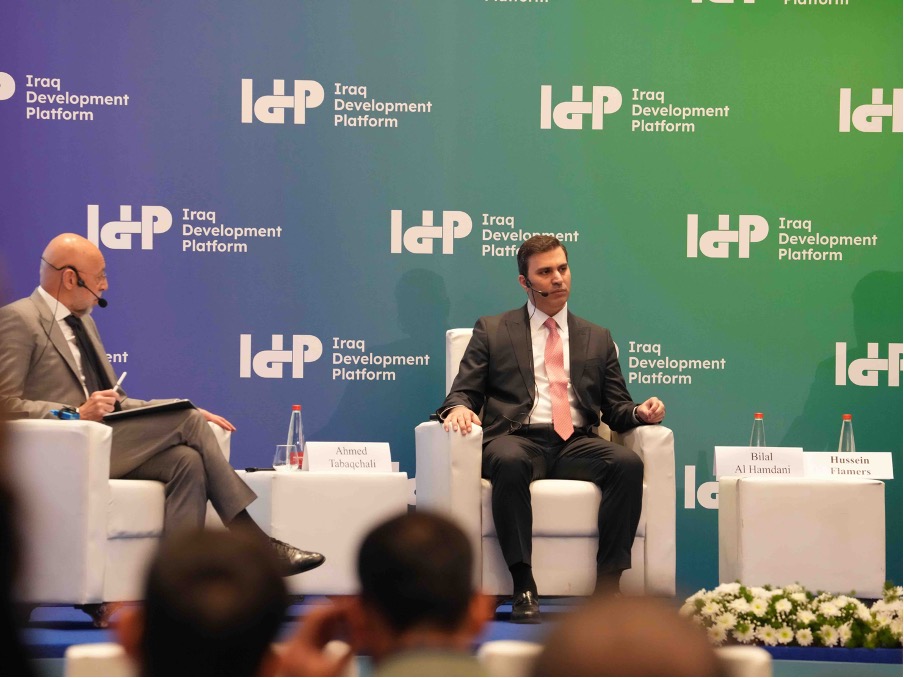
At the structural level, Al-Hamadani presented a broader critique of Iraq’s financial governance environment, arguing that the banking sector continues to operate without a clearly defined economic model. He pointed to the coexistence of multiple and overlapping regulatory authorities, referring to more than nine separate supervisory entities, which in his view contributes to institutional fragmentation, delays in decision-making, and reduced operational efficiency within state-owned banks. These conditions, he argued, weaken the pace of reform despite the availability of financial resources, indicating that the principal challenge lies not in resource scarcity but in governance and institutional management.
Within this context, Al-Hamadani stressed that improving the effectiveness of the banking sector requires clearer governance structures, streamlined regulatory frameworks, and a reduction in administrative complexity. He further argued that financing should be directed towards sectors in which Iraq possesses comparative advantages and strong domestic resource bases, rather than attempting to compete in advanced industries that may exceed current institutional and economic capacities.
He also noted that, despite operating under significant regulatory constraints, state-owned banks continue to play a central role in supporting productive and industrial activities, as well as financing projects that contribute directly to economic growth. In his assessment, the transition towards a more efficient economy requires redefining banks from primarily operational institutions into development-oriented entities capable of mobilising investment and supporting priority sectors.
Al-Hamadani concluded that the development of an effective banking system ultimately depends on the existence of a coherent national economic vision capable of guiding both public and private financial institutions. He argued that recent progress in localisation initiatives and digital payment systems demonstrates the sector’s capacity to adapt rapidly when government priorities are clearly defined and consistently implemented. This, he suggested, underscores the importance of strategic clarity, institutional coordination, and balanced regulation in accelerating banking reform and strengthening the sector’s contribution to long-term economic development.
Rafal Azeez - Strengthening the role of banks in financing projects under CB oversight
The session moderator argued that financing challenges should also be viewed as an opportunity to reorganise Iraq’s investment instruments and financial structures. He explained that financing in Iraq depends primarily on bank deposits rather than direct state budget allocations, making efficient liquidity management essential for sustaining long-term investment projects, particularly in sectors such as energy where investment cycles may extend beyond 20 years.
Within this framework, he stressed that “each bank must determine how to allocate its available liquidity” according to clear investment policies capable of balancing profitability, sustainability, and long-term developmental priorities.
For her part, Rafal Azeez of the Central Bank of Iraq clarified that the role of the Central Bank is not to function as a direct financing partner, but rather to provide low-cost liquidity support mechanisms to banks, which themselves remain fully responsible for credit decisions and project implementation.
She added that “banks today are fully responsible for credit decisions”, noting that the institutional capabilities of Iraqi banks have improved significantly since 2015. Her intervention reflected a broader policy direction aimed at strengthening the autonomy and professional capacity of financial institutions while maintaining regulatory oversight through the Central Bank’s supervisory framework.
Bilal Sughayer - Developing the Investment Environment and Financial Instruments
Bilal Sughayer highlighted that the limited uptake of government bonds compared with the continued preference for current accounts reflects weak long-term investment culture within the Iraqi financial system. He argued that this underscores the need to diversify financial instruments and deepen domestic capital markets.
He also noted that the role of the Central Bank has gradually evolved, with banks increasingly engaging directly with clients following an earlier phase characterised by intensive oversight and supervision.
According to Al-Rabah, mobilising liquidity outside the banking sector, estimated at approximately USD 50 - 60 billion, requires the expansion of diversified financing instruments such as bonds, sukuk, and specialised green and blue financial instruments capable of supporting infrastructure and energy investment.
Hussein Flamers - Human Capital Development & Banking Governance in the Digital Era
Hussein Flamers stressed that financial sector reform must proceed alongside institutional and human capital development. He warned that “abundance of money combined with weak awareness may increase mistakes rather than solve them”, arguing that institutional readiness and governance standards are as important as liquidity availability.
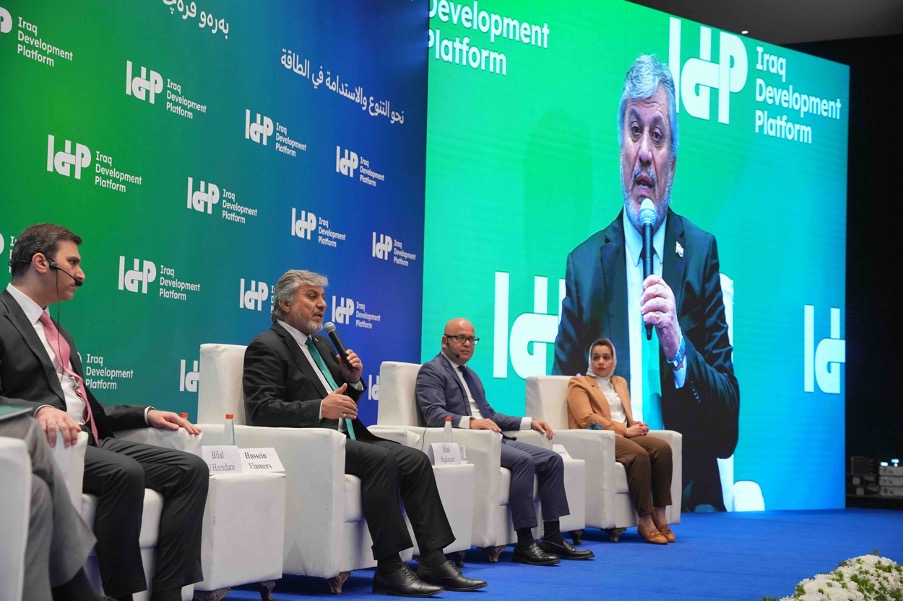
He called for continuous training programmes, stronger governance systems, and greater reliance on specialised expertise, emphasising that investment in human capital is indispensable for adapting to rapid technological and economic transformation.
Bilal Sughayer - Syndicated Loans as a Tool to Expand Project Financing
Bilal Sughayer returned to the issue of syndicated lending, describing it as a practical mechanism for expanding the financing base available for strategic projects. He explained that such arrangements allow a lead bank to structure financing while enabling other banks to participate within a unified framework, thereby distributing risks and increasing financing capacity.
However, he stressed that very large projects, particularly those requiring financing between USD 300 million and USD 500 million, still necessitate partnerships with international financial institutions. He highlighted the structural challenge posed by the predominance of short-term deposits in Iraq’s banking system, noting that most deposits mature within less than one year, limiting the capacity of banks to independently finance long-term investments.
Sughayer concluded by emphasising the responsibility of major Iraqi banks, particularly TBI, to lead banking innovation and mobilise liquidity outside the formal banking sector, stating that “there is a responsibility on major banks to lead the sector and provide innovative solutions”.
Q&A: Bank Leadership and the “Riyada” Initiative
Discussion during the Q&A session focused on the role of major state-owned banks in leading syndicated lending initiatives, alongside the impact of outdated administrative procedures and overlapping regulatory authorities on banking efficiency.
Bilal Al-Hamadani noted that the regulatory environment continues to suffer from limited flexibility, with even minor institutional adjustments requiring lengthy approval procedures that slow operational decision-making.
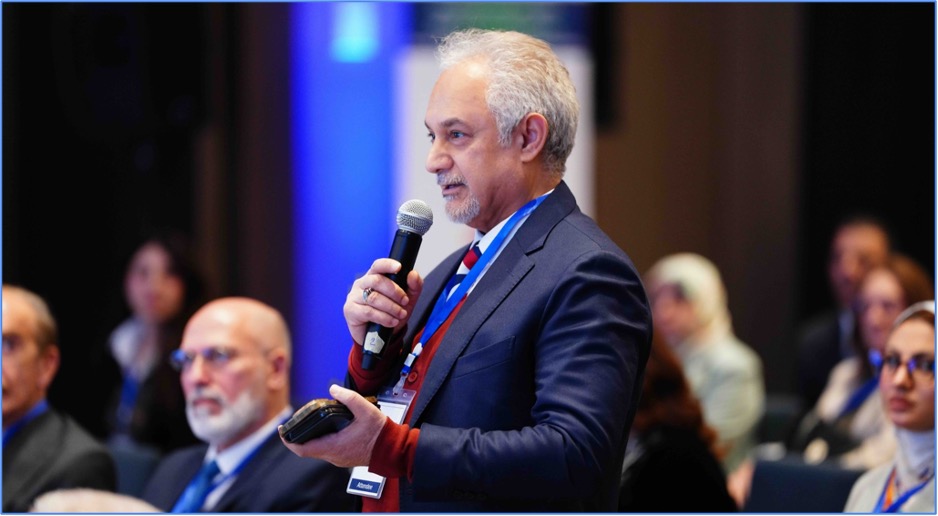
Regarding the “Riyada” initiative, Rafal Azeez clarified that funding is provided by the Central Bank of Iraq, while commercial banks are responsible for implementing lending operations. She reiterated that the Central Bank’s role is limited to liquidity support and financial facilitation rather than direct lending.
Hussein Flamers highlighted the broader strategic dimension of the initiative, explaining that it draws on international experiences aimed at embedding a culture of entrepreneurship within Iraq’s economy. He stated that by 2027 the initiative is expected to evolve into “an integrated institutional ecosystem for supporting innovation and entrepreneurial projects”, thereby strengthening its contribution to employment generation and economic diversification.
Recommendations of Session Five
First: Developing financing mechanisms for energy projects
- Developing innovative financial instruments to support conventional and renewable energy projects.
- Encouraging local banks to finance small and medium-sized energy projects.
- Activating syndicated loans to finance large-scale projects.
- Strengthening partnerships with international financial institutions to meet long-term financing needs.
Second: Strengthening the role of capital markets
- Utilising the stock exchange to issue energy bonds and finance national projects.
- Developing advanced financial instruments such as sukuk, green bonds, and blue bonds.
- Mobilising liquidity outside the banking sector through structured investment instruments.
Third: Improving the investment environment and financial governance
- Establishing legal and financial incentives to attract international investors.
- Strengthening public–private partnerships in energy projects.
- Developing regulatory, compliance, and transparency mechanisms within financial institutions.
Fourth: Developing the banking and institutional environment
- Enhancing the capacity of banks and capital markets in risk management.
- Aligning financing maturities with the long-term needs of projects.
- Simplifying the regulatory environment and reducing the multiplicity of regulatory bodies.
- Empowering banks to make more flexible and independent credit decisions.
Fifth: Enhancing financial inclusion and banking culture
- Reducing reliance on the cash-based economy and expanding financial inclusion.
- Integrating informal liquidity into the banking system.
- Raising financial and banking awareness among citizens and companies.
- Linking digital transformation to financial education to ensure sustainability.
Sixth: Human capital and technology
- Investing in training banking staff and keeping pace with digital transformation.
- Supporting innovation and modern financial technologies.
- Strengthening specialised expertise in finance and risk management.
Seventh: Integration of financing with the national energy strategy
- Linking financing to long-term national energy security plans.
- Directing financing toward value-added projects that support economic diversification.
- Supporting entrepreneurship initiatives and integrating them into the financing system.
Day Two - Energy Transition and Perspectives
Session Six
Strengthening the Iraqi Economy: Development Road & Investm. Pathways
- Nasser Al-Asadi, Advisor to the Prime Minister for Transport Affairs
- Abdulbari Al-Mudaris, Former Member of Parliament, Legal Committee
- Ahmed Tabaqchali, Chief Strategist at the Iraq AFC Fund, Session Moderator
- Bilal Wahab, President of the American University of Sulaimaniya, Session Moderator
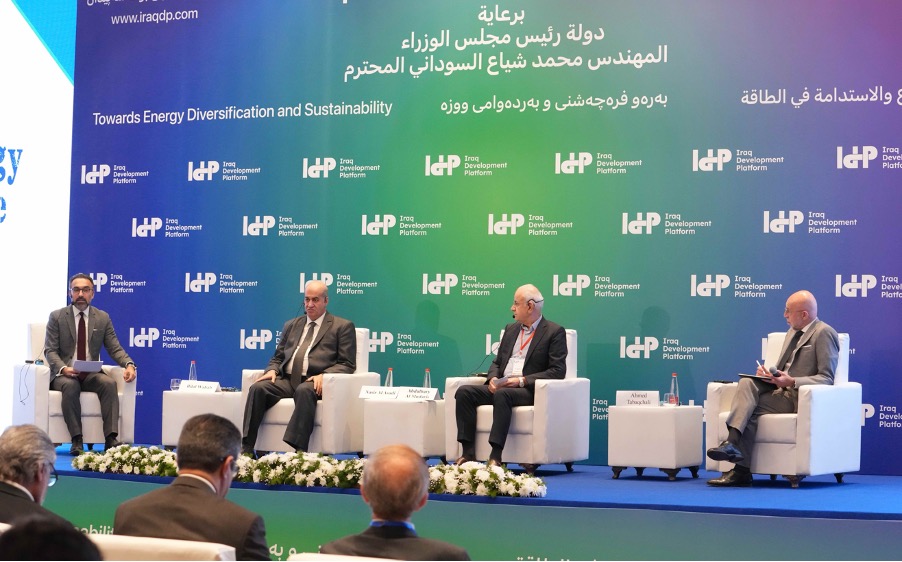
Discussion Framework
The session examined the strategic role of the Development Road Project and modern energy export routes in supporting Iraq’s economic growth, strengthening infrastructure and logistics services, and deepening Iraq’s integration with regional and global markets. Discussions focused on how Iraq’s geographic position and energy resources could be leveraged to transform the country into a regional hub for trade, investment, and energy transit.
The interventions also highlighted the growing interconnection between the energy, transport, and investment sectors, alongside the need to strengthen the regulatory and institutional frameworks governing strategic infrastructure and export projects. Participants stressed that achieving sustainable economic diversification requires greater coordination between public institutions, private investors, and international financial partners.
Development Road as a Strategic Project Linking the Iraqi Economy
Opening the session, Bilal Wahab presented the Development Road Project as a strategic economic initiative that extends beyond its transport dimension to encompass trade, energy, and regional integration. He stressed that the project should be viewed not merely as infrastructure development, but as “a platform for restructuring Iraq’s economic role within the region”.
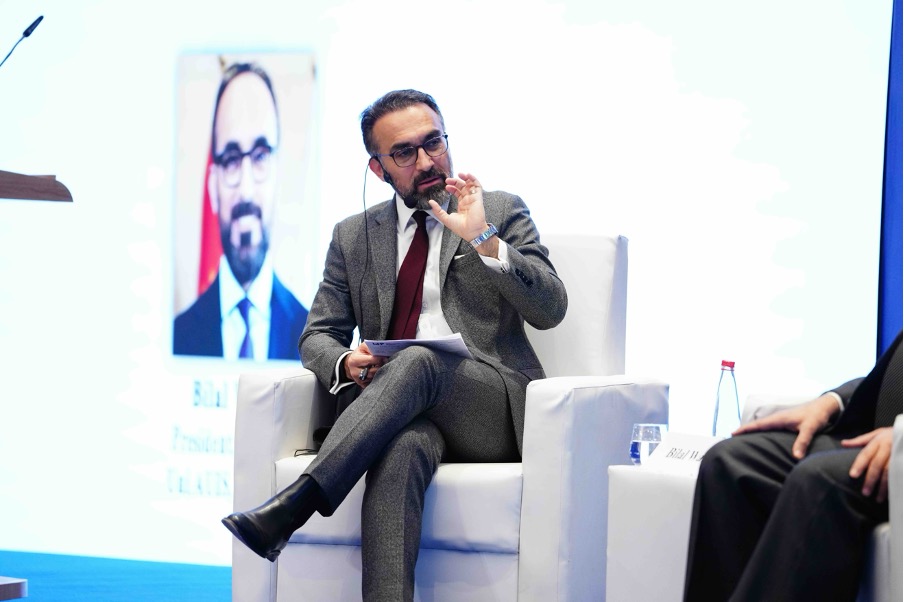
He noted that the project’s significance lies both in the opportunities it creates and in the institutional and financial challenges associated with large-scale strategic projects. In this context, he emphasised the importance of adopting practical and realistic implementation mechanisms capable of translating the project from a strategic vision into a sustainable economic framework.
Wahab also underlined the importance of linking infrastructure development with broader economic reforms, arguing that the long-term success of the Development Road depends on Iraq’s ability to strengthen governance, improve the investment environment, and integrate transport and energy policies within a unified national development strategy.
Ahmed Tabaqchali, Iraq AFC Fund
The Economic Vision of the Project and Its Investment Significance
In response to the moderator’s question regarding the economic and financial significance of the Development Road Project, Ahmed Tabaqchali presented an analytical assessment centred on the project’s strategic role in leveraging Iraq’s geographic position as a corridor linking East and West amid intensifying competition from established international trade routes.
He stressed, however, that the project’s success should not be assessed solely through its external connectivity dimension, but equally through its capacity to strengthen domestic economic integration. In this context, he argued that “the most important thing for us is that Iraq connects Iraq, because the economy will not grow if it is not integrated,” underscoring the importance of internal connectivity as a prerequisite for broader economic expansion.
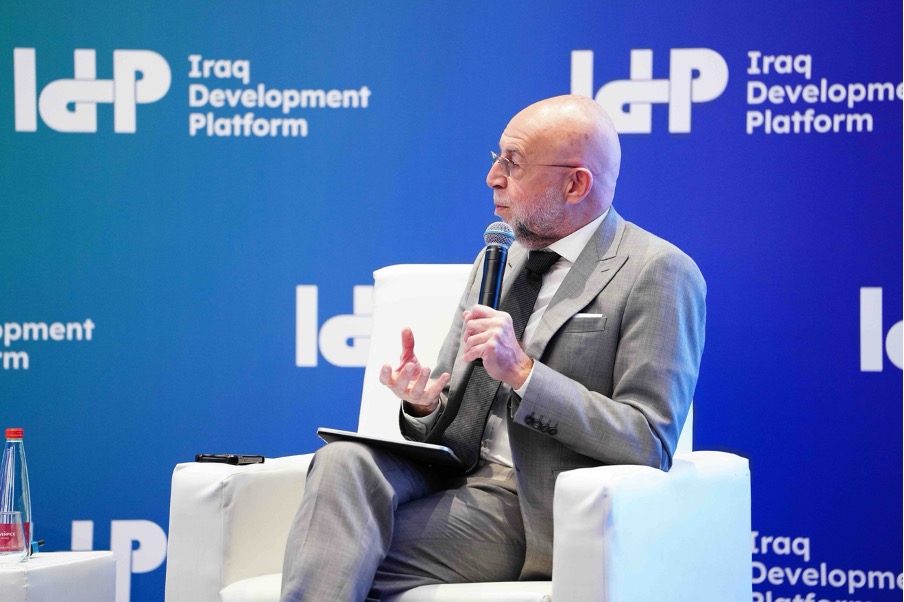
Tabaqchali further noted that attracting investment depends fundamentally on the clarity of economic feasibility and the existence of a stable and predictable environment, as investors base their decisions on assessments of both expected returns and associated risks.
On the financing dimension, he highlighted structural limitations within Iraq’s banking sector, particularly the concentration of liquidity within state-owned banks and the comparatively limited deposit base of private banks. He noted that private bank deposits, estimated at approximately IQD 12 trillion, remain insufficient to independently finance large-scale strategic projects, underlining the need for broader financing partnerships and diversified investment mechanisms.
In this context, he argued that the initial phase of the Development Road Project should prioritise strengthening internal economic integration, thereby generating domestic economic activity and laying the foundations for attracting larger-scale investment in subsequent stages.
Nasser Al-Asadi, Advisor to the Prime Minister for Transport Affairs
Government Vision: From a Transport Project to an Integrated Economic System
Responding to the moderator’s question regarding the Government’s vision for the Development
Road Project and its connection to national strategies for oil, gas, and energy development, Nasser Al-Asadi presented the project as a platform for comprehensive economic transformation rather than merely a transport infrastructure initiative.
He explained that the strategic objective is to support Iraq’s transition from a rentier economy dependent primarily on oil revenues toward a more diversified economic structure encompassing industry, agriculture, education, tourism, and logistics services. He further noted that the project extends from Iraqi ports towards Europe as a strategic economic corridor, although its long-term effectiveness depends on the development of an integrated economic ecosystem along its route.
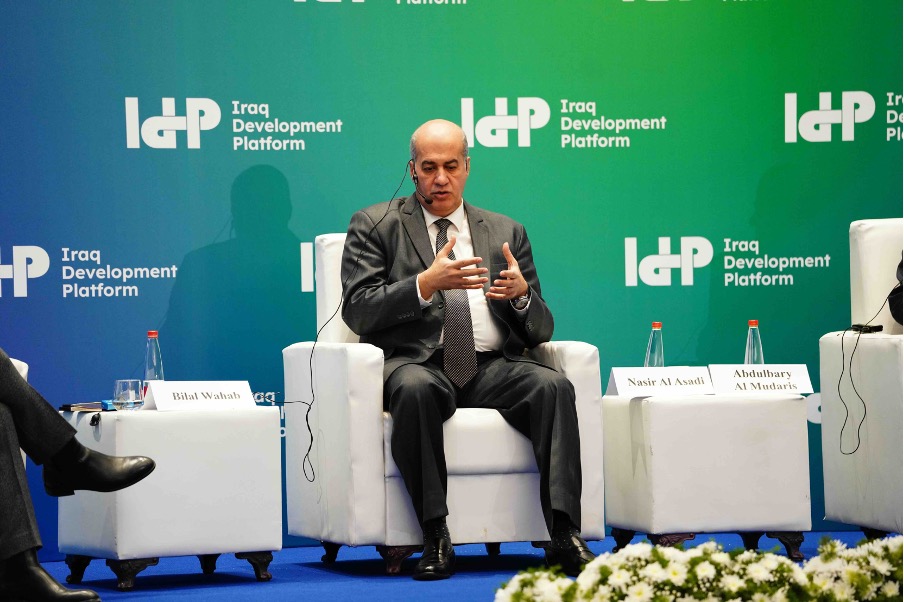
Al-Asadi stressed that “the project is an integrated economic system and not just a transport sector, and transport is only part of it,” highlighting that infrastructure development alone would not be sufficient without parallel expansion in productive and service sectors. He further emphasised that economic diversification and employment generation constitute the project’s two principal strategic objectives, both of which are essential for enhancing sustainability and attracting long-term investment.
Challenges of Attracting Investment and the Role of the Banking Sector
Regarding investment attraction, Al-Asadi explained that the success of the Development Road Project remains closely linked to Iraq’s ability to improve the investment environment, particularly in light of challenges related to investor confidence, the absence of a sufficiently clear investment vision, and the limited development of the banking sector. He noted that investors primarily assess the clarity of opportunities, the availability of financing mechanisms, and the efficiency of the regulatory and institutional framework before committing capital to long-term projects.
In this context, he referred to the Government’s efforts to involve international consultants and specialised institutions in supporting project management and investment planning, with the aim of reducing bureaucratic complexity and strengthening investor confidence on a more sustainable basis. He further stressed the strategic significance of the project, stating that “whoever controls the Development Road controls Iraq, because all economic sectors pass through it”.
Al-Asadi concluded by emphasising that modernising investment management and developing the financial and banking sector in line with international standards constitute essential conditions for the project’s success and for Iraq’s broader ability to attract long-term capital and strategic investment partnerships.
Abdulbari Al-Mudaris, Former Member of Parliament
Political and Legal Challenges Facing the Project and Its Continuity
In addressing the political and legal challenges associated with the Development Road Project, Abdulbari Al-Mudaris focused on the institutional dimension, describing the initiative as a long-term strategic project whose success depends on continuity beyond changing governmental cycles and political administrations.
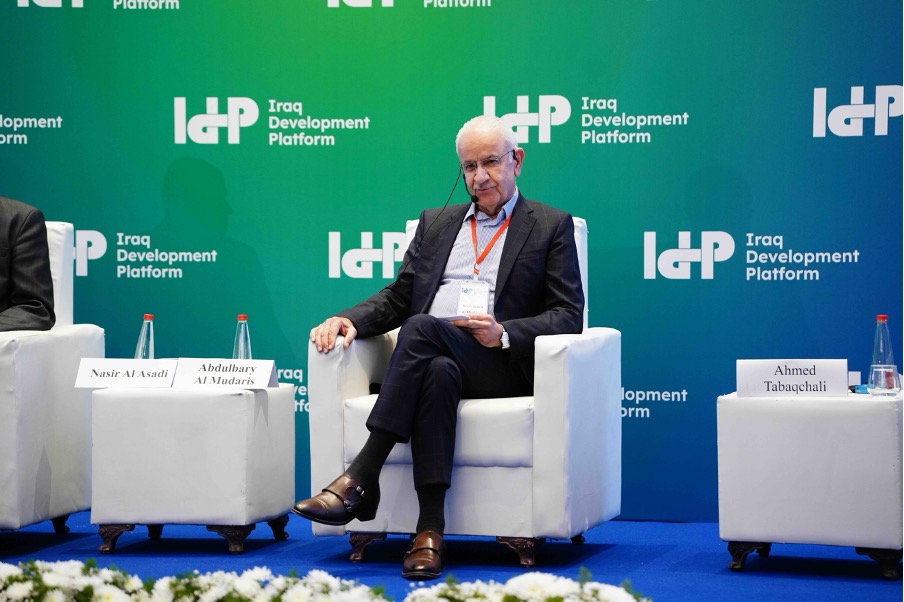
He noted that the concept of the project dates back to the 1980s but had remained unimplemented for decades, stating that “this is a very bold and strategic project, and the idea has existed since the 1980s, but post-2003 governments did not dare to revive it in the way that is happening today”.
Al-Mudaris explained that one of the principal challenges lies in ensuring policy continuity across successive governments despite shifting political priorities and differing institutional positions. He further highlighted internal security concerns and the complexity associated with the project’s long geographic corridor, noting that instability and the continued presence of weapons outside state control negatively affect investor confidence and long-term planning.
He also pointed to the existence of strong regional and international competition from established trade corridors such as the Suez Canal, alongside major global initiatives including the Belt and Road Initiative. According to Al-Mudaris, this requires Iraq not only to strengthen the competitiveness of the Development Road Project, but also to benefit from international technical and operational expertise.
On the financing dimension, he noted that estimated project costs may reach approximately USD 17 billion, exceeding Iraq’s standalone financing capacity and necessitating the attraction of regional and international investment partners, particularly from Gulf countries.
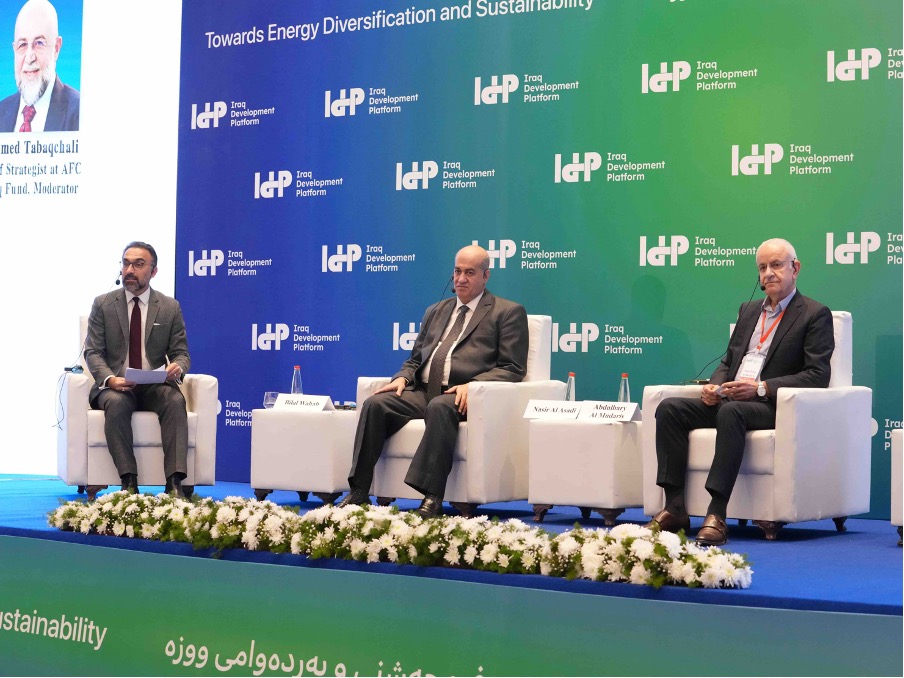
In this context, Al-Mudaris identified corruption and institutional weakness as among the most significant structural obstacles facing implementation, stating that “the biggest problem we face today is corruption and bureaucracy, and without real reform we will not be able to implement a project of this scale”. His intervention reflected the broader view that the success of the Development Road Project depends not only on strategic ambition, but equally on the existence of an effective legal, administrative, and governance framework capable of ensuring continuity, transparency, and investor confidence.
Legal Framework and Ensuring Continuity
Within the discussion on ensuring the continuity of the Development Road Project beyond changing governmental cycles, the importance of establishing a robust legal framework emerged as a central requirement for safeguarding the project over the long term. Reference was made to the experience of the oil sector, where clear legislative foundations have historically played a decisive role in protecting national interests and ensuring policy continuity.
The absence of a completed legal framework was identified as one of the principal institutional challenges facing the project, particularly as the draft law has remained under preparation since 2023 without yet being submitted in its final form to the relevant legislative authorities. In this regard, it was noted that “the draft law has existed for some time, but its preparation requires broader participation and diverse expertise to ensure that the law is solid and implementable”.
Participants stressed that legislation of such strategic significance requires the involvement of legal specialists, economists, legislative drafting experts, and civil society organisations. It was emphasised that “we need Iraqi experts, not only in law but even in the Arabic language, because precise legal drafting protects the law from legal challenges”. At the same time, there was recognition of the need to benefit from international expertise while preserving the national character of the legislation.
The discussion further highlighted that the current Investment Law does not provide a sufficient framework for implementing a project of this scale, making substantial amendments, or the enactment of a dedicated law, increasingly necessary. As noted during the session, “the current Investment Law is not sufficient, and it is difficult to implement a project of this scale without a specific law”.
The project was also presented as part of a broader regional framework involving complex economic and trade understandings, particularly with Türkiye. Participants stressed that “the project is not just about transport but is linked to major economic and trade equilibria”, reflecting its wider geopolitical significance.
Overall, the discussion underscored that the long-term success of the Development Road Project depends not only on infrastructure implementation, but equally on the establishment of a clear and stable legal framework capable of ensuring continuity and strengthening investor confidence.
In his review of international experiences, Nasser Al-Asadi placed the Development Road Project within a strategic framework that integrates national and international expertise, aimed at developing an integrated economic model. He explained that the project is not merely a transport corridor, but a structural transformation intended to shift Iraq from a zone of conflict to a hub for regional integration, stressing that “the idea is to transform money spent on conflicts into joint investments”.
The project is envisaged in phased linkages connecting Iraq with neighbouring states and extending towards Europe and Asia, amid growing international interest, including the 27 May 2023 conference and participation from institutions such as the World Bank. Its estimated cost of around USD 17 billion necessitates regional and international partnerships, particularly in transport, energy, and logistics.
He noted that competition with global corridors such as the Suez Canal and the Belt and Road Initiative is expected, especially given the potential to reduce shipping times between East Asia and Europe by around 50%, thereby enhancing economic viability. The route selection, including its passage through Duhok, is based on technical and economic criteria, alongside coordination between the federal government and the Kurdistan Region.
The project also depends on modern infrastructure, including high-speed rail and inter-provincial links, supported by World Bank-financed development projects worth USD 930 million, in addition to security arrangements to ensure corridor stability.
Ahmed Tabaqchali - Public - Private Partnership: Assessment and Challenges
In assessing the PPP model, Ahmed Tabaqchali noted that despite its theoretical appeal, practical challenges remain, stressing that “the success of any project depends on aligning the economic vision with actual implementation”.
He explained that effectiveness depends on a strong private sector capable of genuine partnership, alongside clearly defined economic returns, adding that “every project must be built on a realistic foundation that provides an actual return for investors”. He further emphasised that project evaluation must be based on economic viability and sustainable financing structures, which still require development in Iraq.
Tabaqchali concluded that the success of the Development Road Project depends on establishing a clear, market-based financing system and a stronger role for the private sector.
Abdulbari Al-Mudaris - The Political & Legislative Framework as a Determining Factor
In his closing remarks, Abdulbari Al-Mudaris addressed the political challenges associated with the project, particularly relations between the federal government and the Kurdistan Region, which he considered ultimately solvable, noting that the core of the disagreements lies in the absence of a federal oil and gas law. He explained that addressing these legislative gaps represents a fundamental step in ensuring the stability of the project and strengthening investor confidence, thereby supporting the implementation of the Development Road as a long-term strategic initiative.
Session Six Recommendations
First: Legal and Legislative Framework
- Adoption of a comprehensive legal framework specific to the Development Road Project.
- Updating the Investment Law or introducing dedicated legislation for major strategic projects.
- Enhancing the quality of legal drafting through the involvement of multidisciplinary expertise.
Second: Governance and Institutional Continuity
- Establishment of an independent authority to manage the Development Road Project.
- Strengthening institutional governance and reducing bureaucracy and corruption.
- Ensuring project continuity through cross-government political consensus.
Third: Investment Environment and Capital Attraction
- Improving the investment climate by reducing risks and simplifying procedures.
- Engaging international consultants and specialised institutions for investment management.
- Enhancing transparency and providing accurate economic data to build investor confidence.
Fourth: Financing and Partnerships
- Developing a sustainable financing model based on public–private partnerships.
- Attracting regional and international investments as well as global financial institutions.
- Linking financing to clear economic returns to ensure investment viability.
Fifth: Economic Integration and Sectoral Development
- Linking the Development Road Project with national economic diversification plans.
- Strengthening internal economic connectivity before regional and international expansion.
- Developing economic and industrial zones along the corridor.
Sixth: Regional Competitiveness and Geostrategy
- Enhancing the project’s competitive advantages compared to global transport corridors.
- Leveraging Iraq’s geographic position as a bridge between Asia and Europe.
- Aligning the project with regional and international trade initiatives.
Seventh: Security and Infrastructure
- Strengthening the security framework along the project route.
- Developing transport infrastructure, including railways and ports.
- Adopting a phased implementation approach, starting with internal connectivity before external expansion.
Eighth: Capacity Building and Strategic Planning
- Investing in Iraqi expertise in planning, management, and transport sectors.
- Adopting long-term strategic planning based on realistic feasibility studies.
Leveraging successful international experiences in developing economic corridors.
Day Two - Energy Transition and Perspectives
Session Seven
Water Governance and Inter-Sectoral Coordination in Iraq
- Jasim Al-Falahi, Technical Deputy Minister of Environment
- Mohammed Al-Muhamadawi, Director General of the Water Management Centre
- Thirgham Kiko, Director General of Agricultural Investment
- Adnan Aday, Deputy DG of the Water Directorate, Ministry of Construction and Housing
- Zainab Rabee, Journalist, Session Moderator
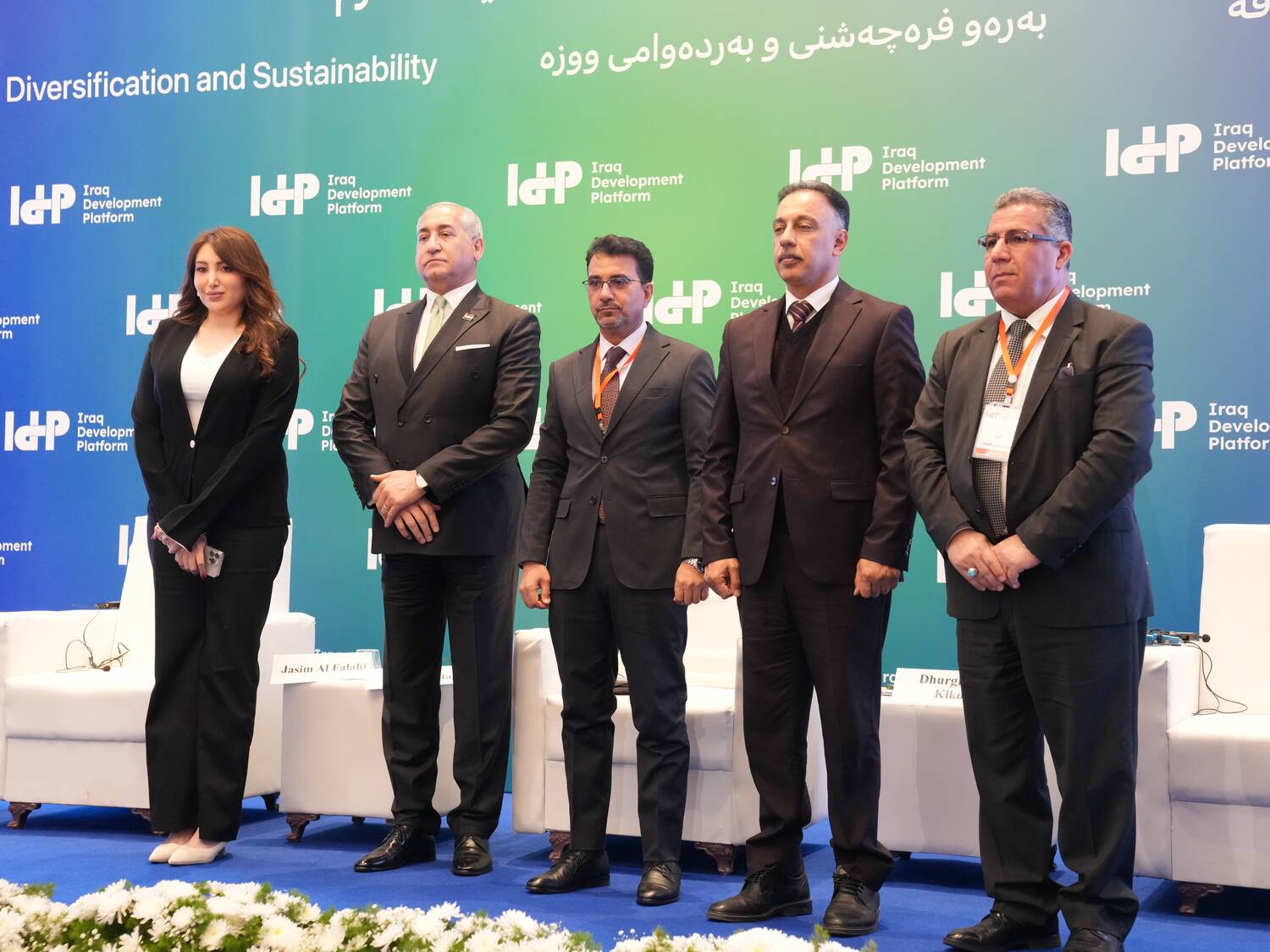
Session Framework
The session addressed the growing challenges of water resource management in Iraq amid climate change, declining river inflows, and increasing demographic and development pressures. It emphasised that water has moved beyond a sectoral concern to become a core determinant of food security, economic stability, and sustainable development.
The discussions highlighted the need for an integrated water governance system based on coordination across agriculture, energy, environment, and municipal sectors to ensure more efficient and sustainable resource management. Participants noted that weak policy integration increases pressure on already scarce water resources and reduces overall efficiency.
Key interventions stressed the importance of developing modern water demand management systems, strengthening infrastructure, and improving monitoring and distribution networks. They also underscored the role of technology and investment in reducing waste and enhancing efficiency, alongside the need to update regulatory and institutional frameworks to enable more adaptive decision-making.
The session further highlighted the importance of regional cooperation and international dialogue on water governance, as well as strengthening public awareness and expanding investment in the water sector, in order to support national water security and equitable distribution.
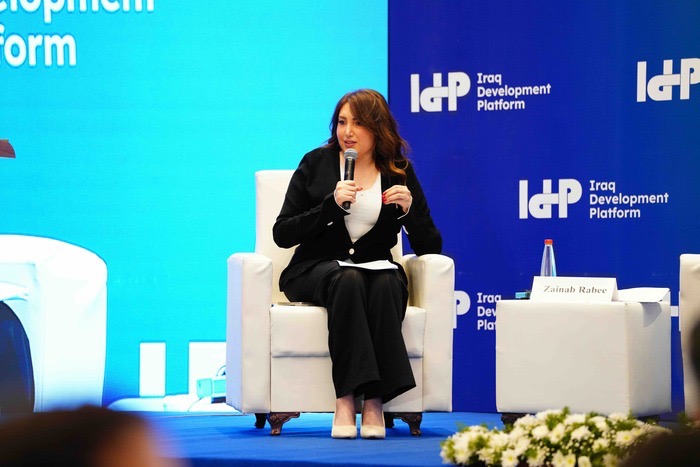
Water Governance as a Sovereign Challenge to National Security
Opening Session Seven, chaired by journalist Zainab Rabee, underscored that Iraq’s water crisis represents a sovereign challenge directly linked to national security, economic stability, and social cohesion, amid accelerating desertification, declining inflows, and intensifying climate pressures. Some interventions described the situation as a form of “water war”, while stressing the importance of moving beyond diagnosis towards practical and implementable policy responses.
Jasim Al-Falahi, Technical Deputy Minister of Environment
Water-Energy-Climate Interlinkages as a Structural Sovereign Challenge
In response to the moderator’s question on Iraq’s environmental situation, Jasim Al-Falahi, Technical Deputy Minister of Environment, highlighted the structural challenge arising from the strong interdependence between water, energy, and climate change, describing them as sovereign issues that cannot be addressed in isolation. He stated that “we are dealing with three interlinked sovereign files, and none of them can be addressed separately”.
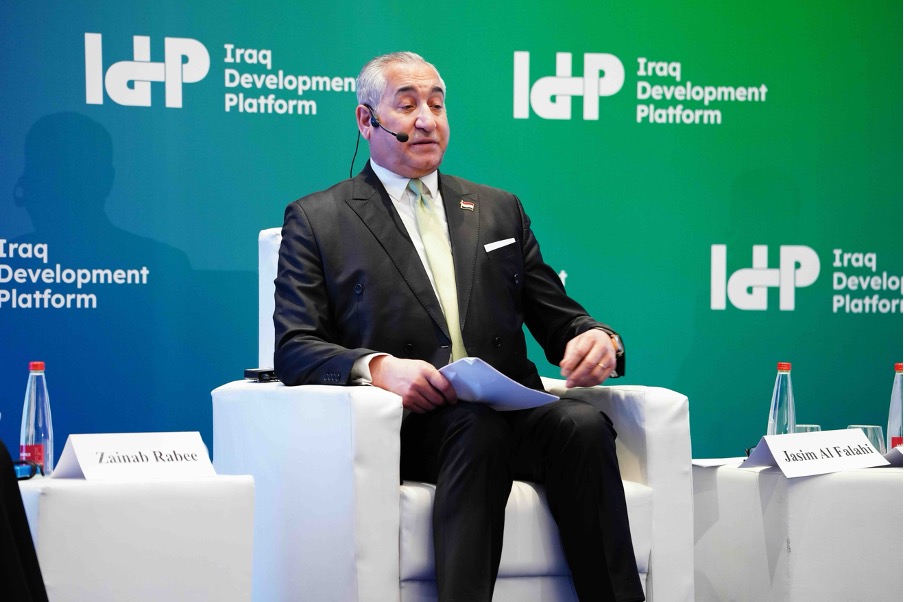
He noted that Iraq is among the most climate-affected countries, with temperatures rising by approximately 1.8°C over the past two decades, above global averages, which has increased demand for both water and energy. The country also depends on transboundary water resources for nearly 90% of its supply, amid declining rainfall and recurring drought cycles.
Al-Falahi further explained that Iraq loses between 2 and 3 billion cubic metres of water annually due to evaporation, while dust storm days have increased from around 160 to nearly 250 per year, reflecting accelerating environmental stress.
He stressed that these developments extend beyond environmental concerns to include health, economic, and social impacts, particularly through rising respiratory illnesses linked to dust storms. He concluded that addressing these challenges requires sustainable and rational management of water and energy resources, based on long-term strategic planning and strengthened environmental governance, rather than reactive crisis management, noting that “water and energy security is now directly linked to the state’s ability to adapt to climate change”
Adnan Aday, Deputy DG of the Water Direct. - Ministry of Constr. & Hous.
Infrastructure Pressure and Service Delivery Challenges
In response to a question on the impact of drought and desertification on infrastructure and urban planning, Adnan Aday explained that the water crisis has evolved beyond an environmental issue to one that directly affects Iraq’s infrastructure and public service delivery systems. He noted that the Ministry is responsible for supplying drinking water across the country (excluding the Kurdistan Region and Baghdad Municipality), with coverage reaching approximately 80%. However, declining water inflows are placing increasing strain on the system.
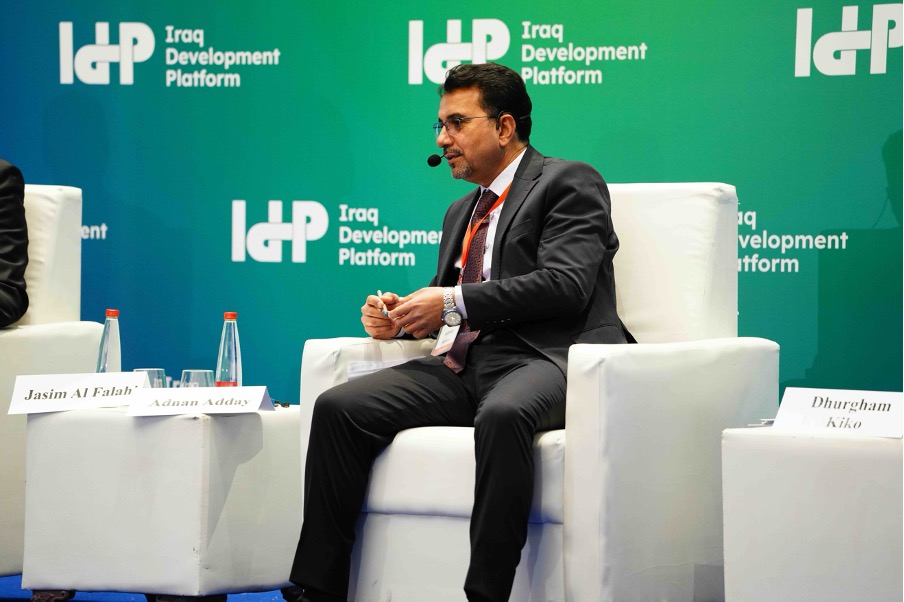
He explained that reduced water releases have led to the shutdown of around 723 small treatment plants in southern Iraq, forcing authorities to rely on tanker trucks to meet basic needs, stating that “the reduction in water releases caused the shutdown of a large number of plants, and we had to transport water by tankers to some areas”.
Aday further highlighted that rising salinity levels are increasing treatment costs, while lower water levels are placing additional pressure on pumping and intake stations, in some cases preventing them from effectively accessing water sources. This has reduced operational efficiency and shortened equipment lifespan.
He added that instability in water allocations is also limiting the expansion of water projects, constraining urban planning and delaying the implementation of new centralised infrastructure in several provinces.
Thirgham Kiko, Director General - Ministry of Agriculture
Climate Change, Desertification, and the Transformation of the Agricultural Sector
Thirgham Kiko, Director General at the Ministry of Agriculture, stated that Iraq is facing a marked increase in desertification, with affected areas exceeding 55 million dunums in 2024, despite having nearly 65 million dunums of arable land. He emphasised that the central challenge lies in converting this potential into effective agricultural production under conditions of water scarcity and climate change, noting that “the level of desertification is significant, but we also have vast areas suitable for agriculture, and the ministry’s role is to reduce this gap through modern technologies”.
He highlighted the Ministry’s shift towards modern irrigation systems, particularly centre-pivot irrigation, with more than 5,000 subsidised sprinkler systems distributed to reduce water consumption and improve production efficiency. He also stressed the importance of applied research and modern agricultural technologies to reduce reliance on traditional farming methods, noting that new projects are increasingly based on technological solutions to enhance productivity and minimise waste.
Kiko added that the transition to modern irrigation technologies is not only aimed at addressing water scarcity, but also forms part of a broader strategy to restructure the agricultural sector and improve the efficiency of natural resource use. He pointed out that government support programmes and incentives are being used to encourage farmers to adopt these systems, accelerating the shift towards more sustainable and climate-resilient agriculture.
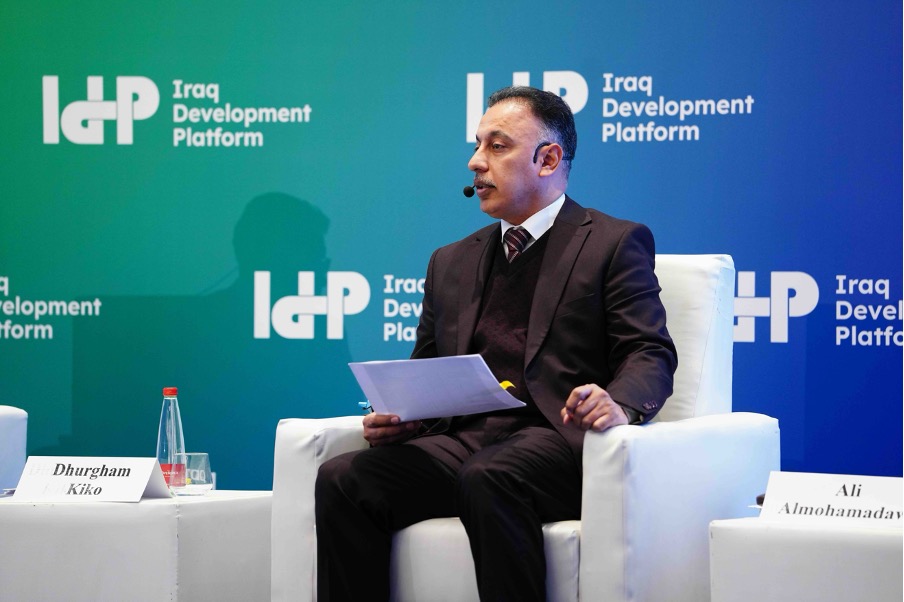
He further explained that the Ministry is working to align agricultural expansion plans with water resource management to ensure a balance between increased production and the preservation of water reserves. He stressed that food security in Iraq is now directly linked to the ability of state institutions to improve water governance while modernising agricultural infrastructure.
He concluded by highlighting coordination with the Ministry of Water Resources to expand agricultural land, stating that “institutional coordination is a prerequisite for reducing desertification and ensuring food security”.
Ali Al-Muhammadawi, Director General - Ministry of Water Resources
Water Crisis Between Structural Scarcity and Management Pressures
Ali Al-Muhammadawi stated that Iraq is facing an unprecedented water deficit due to repeated drought cycles and reduced inflows from upstream countries, noting that around 70% of the country’s water resources originate from the Tigris and Euphrates rivers. He highlighted the scale of the structural imbalance, explaining that total storage capacity stands at approximately 120 billion cubic metres, while actual usable storage does not exceed 6 billion cubic metres, adding that “we have more than 72 billion cubic metres of empty storage capacity, which reflects the magnitude of the problem”.
He stressed that Iraq is no longer operating under conditions of water abundance, but rather under scarcity, requiring a fundamental reassessment of resource management and consumption priorities. He emphasised that reliance on traditional solutions is no longer viable given declining inflows and rising climate pressures, noting that “any measure to improve water use efficiency is less costly than losing the water itself”.
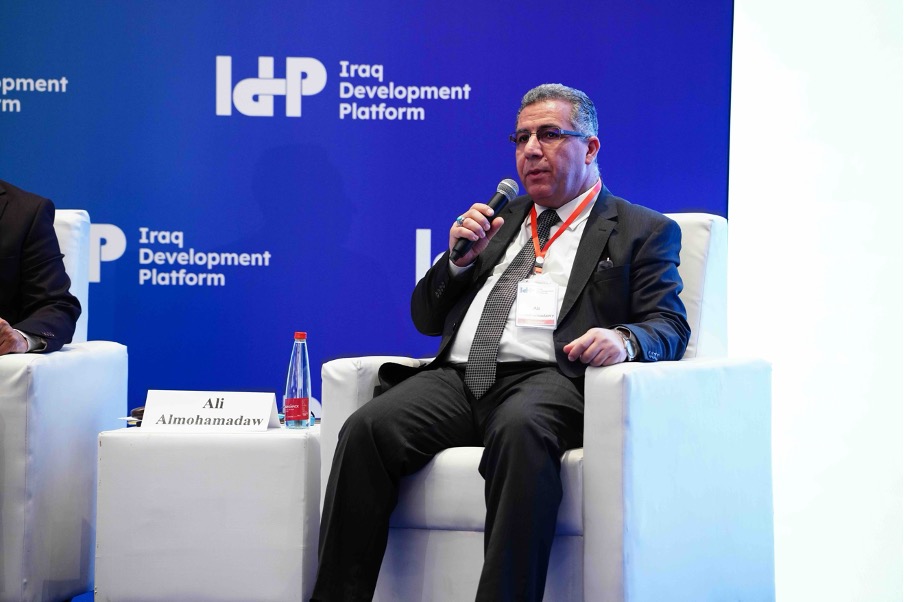
Al-Muhammadawi argued that addressing the crisis cannot depend solely on increasing upstream releases but must focus on improving internal management and reducing waste, stating that “water today is the most valuable resource”. He called for a shift towards centralised infrastructure on main rivers instead of inefficient small-scale stations, linking these to modern distribution networks to improve efficiency and service delivery, particularly in remote areas affected by weak infrastructure and high losses.
He further explained that certain existing systems, such as small stations along secondary canals, place additional pressure on water release mechanisms due to the large volumes required to reach distant regions. He therefore stressed the importance of rational distribution planning and adherence to regulated water-sharing frameworks.
He added that improving domestic water governance is essential to strengthening Iraq’s external negotiating position, noting that water use is distributed as 75% for agriculture, 10% for domestic consumption, and 5% for industry, which necessitates structural rebalancing to ensure long-term sustainability. He concluded that effective internal water management forms the foundation for stronger external negotiations over Iraq’s water rights, stating that “sound internal water management is what gives Iraqi negotiators greater strength abroad”.
Jasim Al-Falahi - Accelerating Water Gap and Its Implications for National Security
Jasim Al-Falahi warned of an accelerating water gap in Iraq that could lead to a phase of severe scarcity threatening national stability, stressing that the crisis is driven by a combination of internal and external factors and requires a comprehensive response at both administrative and diplomatic levels.
He explained that continued declines in water inflows could place Iraq in a position where it is unable to secure minimum per capita water requirements, noting that “we warn of an accelerating water gap that may reach a level of scarcity where citizens do not receive the minimum global consumption level of around 250 litres per person per day”.
Internal Governance and Regional Pressures
Al-Falahi linked the worsening crisis to weak governance and fragmented domestic decision-making, alongside upstream countries’ policies involving dam construction, river diversion, and reduced water releases. He also pointed to the absence of a clear international legal framework defining shared rivers, stating that “there is a weakness in the international legal framework regarding the definition of shared rivers”.
Water as a Rights and Security Issue
Al-Falahi emphasised that the water crisis extends beyond a technical challenge to become a comprehensive national security issue, requiring its framing within a human rights context in international negotiations due to its direct impact on public health and social stability, as well as its interlinkages with water, energy, and climate change.
Weak Infrastructure and the Need for Technological Transformation
The deputy minister emphasised that the agricultural sector consumes between 60% and 80% of Iraq’s water resources, amid continued reliance on traditional irrigation methods, alongside significant water losses in the drinking water sector due to ageing infrastructure. Available data indicate that addressing the crisis requires increased investment in modern technologies and adequate budget allocations, with emphasis that “water security cannot be achieved without strong political will and a sound governance system, as it is directly linked to national security”.
Adnan Aday - Rural-to-Urban Migration Due to Water Scarcity and Declining Services
In an intervention on the demographic impacts of water scarcity and desertification, Adnan Aday highlighted increasing rural-to-urban migration, resulting in additional pressure on urban infrastructure and public services. He noted that the Ministry of Construction and Housing is working to address these challenges through long-term planning of water and sanitation projects, aiming to improve services and reduce the development gap between rural and urban areas.
The Comprehensive Water Master Plan as a Tool for Future Planning
Aday explained that water projects are not implemented in an ad hoc manner but are guided by strategic planning studies. The Ministry is developing a national comprehensive Master Plan to assess water and sanitation services across all governorates, including networks, population growth projections, and future needs. He stated that “we have a Master Plan project, which is a comprehensive national study analysing water and sanitation services in all governorates, including networks, projects, population growth, and the needs of each area”.
Proactive Planning to Address Water Scarcity
This approach aims to identify areas likely to face future water shortages due to population growth or declining inflows, enabling preventive interventions before crises intensify. Aday further noted that several projects are currently under implementation, while others remain in the study phase, with recommendations being submitted to the relevant higher authorities.
Dhirgham Kiko - Poverty and Water Scarcity as Drivers of Rural Migration
Dhirgham Kiko explained that migration from rural areas to urban centres is driven by a combination of interconnected factors, including poverty, limited employment opportunities, declining public services, disputes over natural resources, and the impacts of climate change and water scarcity on agricultural production and livestock. He stressed that “migration from rural areas to cities is linked to a package of economic, environmental, and service-related factors, foremost among them weak employment opportunities, water scarcity, declining agricultural production, and the absence of services and infrastructure”.
Addressing Challenges Through Rural Development Support
Kiko noted that the Ministry is implementing a set of measures aimed at reducing migration, including improving rural infrastructure, enhancing basic services, and supporting agricultural investment through modern technologies and training programmes to increase productivity and income levels.
He also highlighted the importance of developing the rural economy through support for small and medium-sized enterprises, provision of government financing, and strengthening education and vocational training to create sustainable local employment opportunities.
Transition to a Stage of Water Scarcity
He concluded by stressing that Iraq is now facing a stage of water scarcity rather than mere water stress, requiring an integrated cross-sectoral response. He emphasised that addressing rural migration cannot be achieved without comprehensively tackling the root causes of the water crisis.
Ali Al-Muhammadawi - Tigris River Water Levels
In remarks addressing debates on declining water levels in the Tigris River in Baghdad and the accompanying political and media discussions on agreements with Türkiye, Ali Al-Muhammadawi explained that fluctuations in river levels within Iraq are primarily linked to operational water storage management plans rather than directly reflecting upstream release volumes. He stressed that the current water situation requires careful management of available resources.
River Levels Managed According to Dam Operation Plans
He explained that the Ministry of Water Resources adopts operational plans based on live storage levels and the actual needs of key sectors, particularly agriculture and drinking water. He noted that “the water level of the Tigris River in Baghdad does not directly reflect what reaches us from Türkiye, but rather depends on operational plans based on available storage levels and actual water demand”. He added that periods of lower demand, such as non-agricultural seasons or rainy periods, lead to reduced dam releases to preserve strategic reserves.
Historic Decline in Water Storage
He pointed out that Iraq is facing a critical phase due to declining inflows and consecutive years of drought, resulting in live storage levels falling to unprecedented lows. He stated that “live storage in the dams has reached its lowest level in the historical records of the Ministry of Water Resources, and therefore we are compelled to operate at minimum release levels”.
Agricultural Planning Based on Available Water Resources
He explained that agricultural planning is now being aligned with available water quantities to avoid depleting reserves, noting that the latest plan was limited to around one million dunums. He warned that “if we do not base our plans on the water available, we may reach a stage where live storage is depleted and dams fall out of service, which would constitute a real catastrophe”.
Agreements with Türkiye and Their Impact on Water Levels
Regarding the framework agreement with Türkiye, Al-Muhammadawi explained that incoming water is stored in Iraqi dams such as Mosul, Haditha, and Darbandikhan, and then released according to demand. As a result, fluctuations in Baghdad’s River levels do not directly reflect upstream inflows. He stated that “the water coming from Türkiye is stored in dams, and we control releases according to need; therefore, rises or declines in the river level in Baghdad do not necessarily indicate an increase or decrease in external inflows”.
Regional Water Control and Challenges Related to Water Shares
He further noted that the expansion of dam systems in upstream countries has increased their control over water flows, making it more difficult to secure Iraq’s water shares despite existing understandings. Al-Muhammadawi explained that in some period’s inflows have declined sharply, with Mosul Dam inflows falling at one point to around 60 cubic metres per second, illustrating the scale of reduction in water availability.
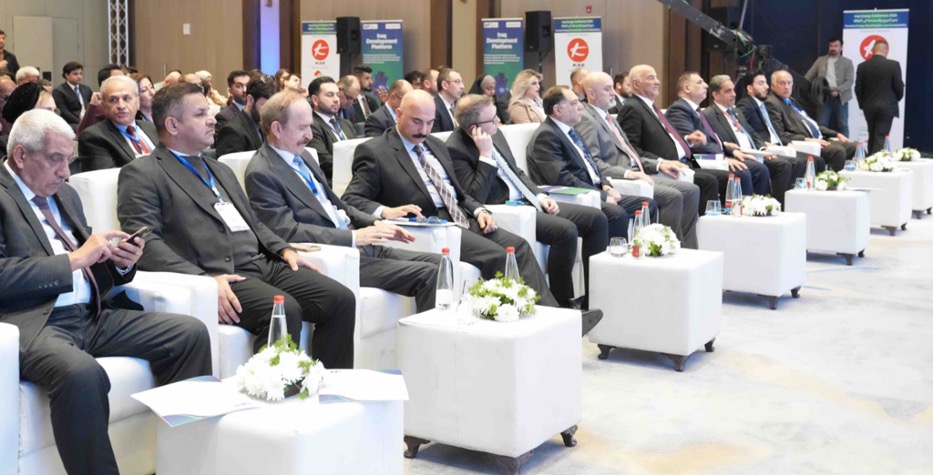
Jasim Al-Falahi - The Water Gap, Pollution, & the Escalation of the Environmental Crisis
Jasim Al-Falahi warned of an accelerating water gap in Iraq and rising indicators of environmental pollution in the water sector, stressing that the country is facing a complex crisis shaped by the interaction of climatic pressures and weak governance. He explained that more than 65% of wastewater is discharged without adequate treatment or flows directly into water bodies, further worsening pollution amid declining water inflows.
He added that around 12 million Iraqis lack access to safe and sufficient drinking water, reflecting the scale of the public health and humanitarian challenge. He stressed that “Iraq is suffering from an accelerating water gap and a clear rise in indicators of environmental pollution in the water sector,” noting also that “around 12 million Iraqis do not receive sufficient quantities of good-quality drinking water”.
Transition Towards Managing an Integrated National System
Al-Falahi emphasised the need to move from crisis management to an integrated national system based on unified decision-making and consolidated data rather than fragmented sectoral approaches. He called for establishing a national centre for monitoring, assessment, and evaluation of water resources as a sovereign platform integrating water, environmental, agricultural, and health data.
He argued that “the problem cannot be solved through crisis management, but through managing a unified system based on unified decision-making and data”, adding that weak domestic data undermines Iraq’s external negotiating position, since “weak data internally weakens our negotiating power externally”. He also called for an early warning system and long-term strategic planning extending to 2050 to address accelerating climate impacts.
Health, Economic, and Infrastructure Dimensions
He highlighted the interlinkage between water, energy, food, and climate as a structural challenge in resource management, explaining that “every cubic metre of water requires energy for pumping, and every kilowatt of electricity requires water for cooling, while around 45% of water is lost through networks”.
He referred to the Basra crisis of 2018, when “the deterioration in water quality led to more than 118,000 recorded cases of illness”, stressing that improved governance could reduce pollution-related health impacts by 60 - 70% and cut emergency expenditures by up to 40% over five years. He also noted that wastewater reuse could provide more than 700,000 cubic metres per day, and that every dollar invested in the water sector could generate savings of up to seven dollars in other sectors. He therefore called for climate-smart agriculture and a strengthened green economy.
Conclusion: Water Security as a Sovereign Issue
In conclusion, Al-Falahi confirmed that the government has prioritised environment, climate, and renewable energy, although significant challenges remain. He stressed that “the challenge of water security is a sovereign challenge directly linked to national security”, warning that continued weak coordination would deepen crises, stating that “if one crisis is not addressed, it will generate another”. He concluded that Iraq’s future depends on unified governance and long-term planning to safeguard natural resources for future generations.
Water Loss, Salinity in the Shatt al-Arab, and Monitoring Environmental Pollution
Ali Al Muhammadawi - Debate Over Water Loss and Water Releases Towards Basra
During the question-and-answer session, Falah Alamri, Advisor to the Prime Minister for Energy Affairs, raised concerns regarding perceived water loss rates compared with the volumes reaching the Shatt al-Arab, as well as the effectiveness of measures to improve water management and storage capacity in Basra.
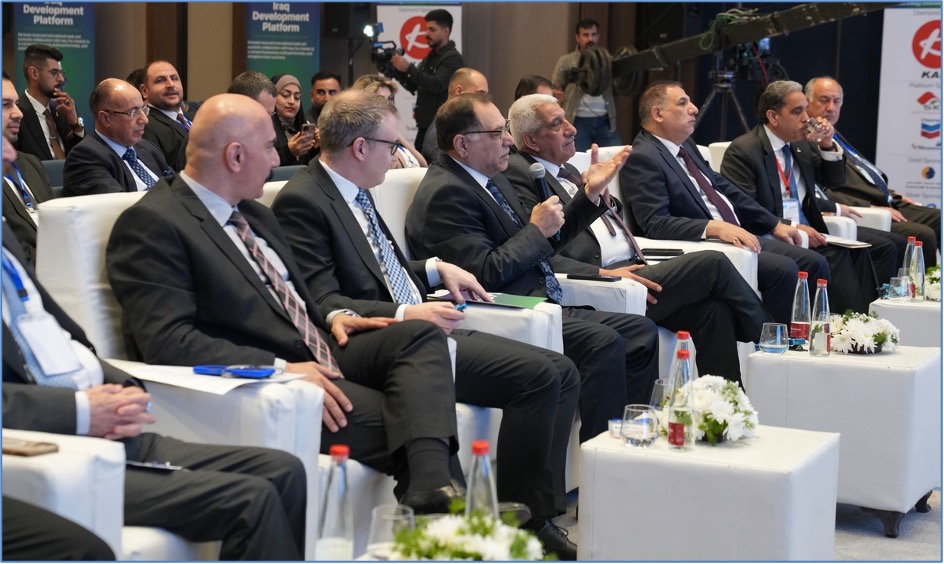
A representative of the Ministry of Water Resources responded by clarifying that water released towards Basra should not be considered wasted, but rather part of planned operational allocations intended to meet drinking and agricultural needs, push back saline intrusion, improve the ecological condition of the Shatt al-Arab, and reduce rising salinity levels in northern Basra and Qurna, particularly in support of desalination efforts.
He added that these releases contribute to improving water quality in the Shatt Al-Arab and do not simply flow unutilised into the Gulf. He also noted ongoing progress on the Basra Barrage Project, which has been assigned to an international consultancy and has advanced in studies, design work, and technical specifications.
Jasim Al-Falahi - Challenges of Environmental Monitoring and Regional Water Security
Jasim Al-Falahi explained that the deterioration in environmental data quality in Iraq is linked to weak institutional capacity and the cumulative effects of conflict and instability, which have undermined monitoring systems for water, air, and soil.
He noted that existing environmental monitoring stations remain limited in both coverage and technical capacity, requiring financial and technical investment to improve performance and data reliability. He further stressed that the water issue is no longer purely national, but is directly linked to regional security and stability, stating that “the sustainability of water and environmental security in Iraq also means sustainability in Türkiye and Iran”.
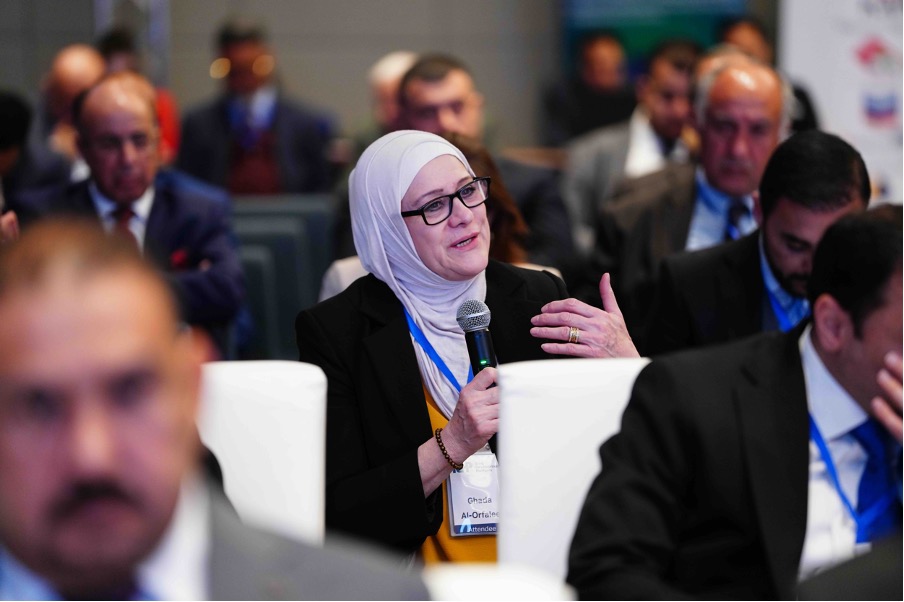
He warned that continued climate change and worsening water scarcity could trigger displacement and cross-border migration, creating wider humanitarian and security risks across the region. He concluded that managing water resources requires strengthened regional cooperation and coordinated policies to address future environmental challenges.
Recommendations of the Seventh Session
First: Strengthening Water Governance and Unified Decision-Making
- Establish a unified national water management system to reduce institutional fragmentation.
- Develop an integrated system for planning, operation, oversight, and equitable distribution of resources.
- Establish a unified national centre for water, environmental, and health data.
- Shift from crisis management to sustainable, data-driven governance.
Second: Developing Infrastructure and Improving Operational Efficiency
- Implement centralised projects on rivers with guaranteed flows.
- Modernise pumping stations, treatment facilities, and ageing networks.
- Adopt long-term strategic plans to identify priority projects.
- Improve the efficiency of water extraction and treatment systems while reducing losses.
Third: Managing Water Scarcity and Adapting to Climate Change
- Improve the management of water storage in dams and reservoirs.
- Expand the use of modern irrigation technologies.
- Support applied research and drought-resistant agricultural technologies.
- Link agricultural planning to the actual volume of available water resources.
Fourth: Developing the Agricultural Sector and Reducing Rural Migration
- Improve infrastructure and services in rural areas.
- Support the rural economy and small and medium-sized enterprises.
- Strengthen agricultural extension programmes and improve productivity.
- Diversify rural income sources and reduce reliance on traditional agriculture.
Fifth: Improving Water Quality, Combating Pollution, and Expanding Reuse
- Strengthen systems for monitoring water quality, pollution levels, and salinity.
- Establish a unified national centre for environmental and water monitoring and assessment.
- Expand the reuse of treated wastewater.
- Gradually reduce water losses through network modernisation.
Sixth: Strategic Planning and Digital Transformation
- Adopt a long-term national vision for water security extending to 2050.
- Apply the water-energy-food-climate nexus approach.
- Introduce digital transformation and artificial intelligence into water resource management.
- Develop an early warning system based on crisis forecasting.
Seventh: Regional Cooperation and Water Diplomacy
- Activate cooperation with neighbouring countries in managing shared water resources.
- Link the water issue to human security and human rights frameworks.
- Strengthen Iraq’s negotiating position through improved domestic management.
Eighth: Investment and Financing in the Water Sector
- Encourage investment in water projects and infrastructure.
- Develop innovative financing tools for rehabilitating networks and treatment facilities.
- Attract international support to reduce the financing gap in strategic projects.
Day Two - Energy Transition and Perspectives
Session Eight
Water Security Amid Climate Change in Iraq
- Aoun Thiab, Minister of Water Resources
- Hallo Al-Askari, Minister of Environment
- Torhan Al-Mufti, Advisor to the Prime Minister for Water Affairs
- Anil Bora Inan, Ambassador of Türkiye to Iraq
- Adel Sharif, Iraq Development Fund, Session Moderator
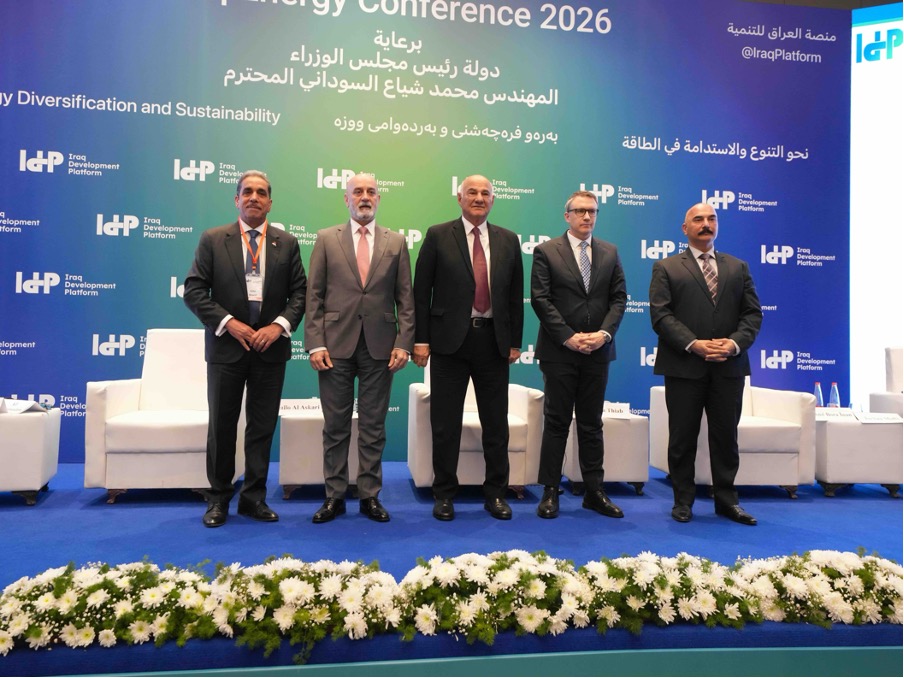
Water Security as a Multi-Dimensional Sovereign Priority
In opening the session, moderator Adel Sharif stressed that water security in Iraq is no longer merely a service-related issue, but a fundamental pillar of national security due to its direct linkage with the energy and food sectors within the Water-Energy-Food Nexus.
He noted that the challenges facing Iraq are distributed across three main dimensions: external dependence on transboundary water resources, the impacts of climate change, and weak internal water management.
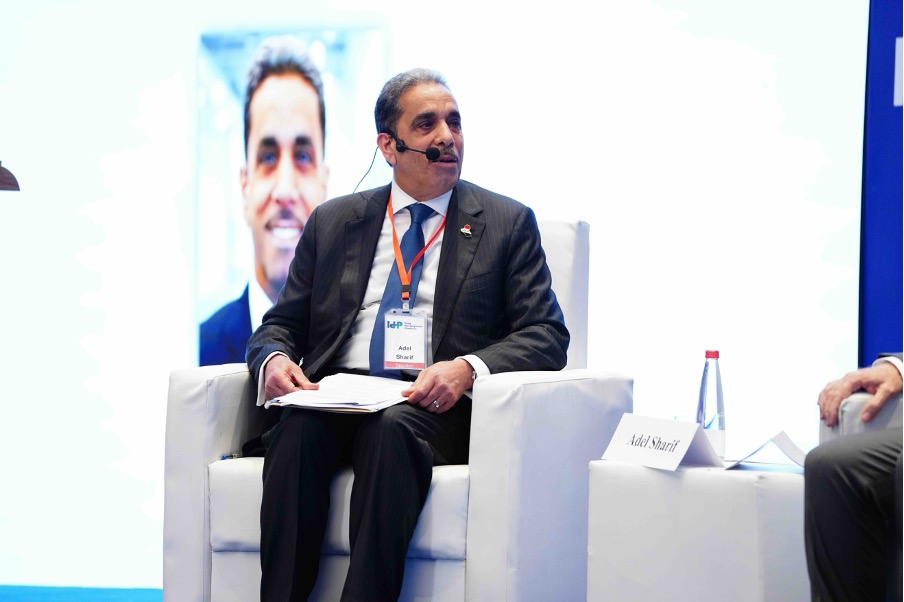
He highlighted this interconnection, stating that “we need energy to produce water, we need water to produce energy, and we need both together to produce food, which makes water security, food security, and energy security directly interconnected with national security”.
Aoun Thiab, Minister of Water Resources
The Supply - Demand Gap: The Central Challenge Facing the Water Sector
Minister of Water Resources Aoun Thiab stated that Iraq is facing a widening gap between water supply and demand, describing it as the most pressing challenge confronting the country at the current stage, with direct implications for all economic and service sectors.
He stressed that “water has become the primary challenge in Iraq, because supply is lower than demand, making this gap a real threat to all sectors”. He added that addressing this challenge requires a comprehensive response involving both central and local governments, alongside international support, and a restructuring of water management policies.
External Pressures: Climate Change and Upstream Policies
The Minister explained that declining water inflows are primarily driven by two external factors beyond Iraq’s control: climate change, which has reduced precipitation rates, and increased water utilisation by upstream countries, particularly for hydropower generation.
He noted that “there is significant investment in water resources in the upper Tigris and Euphrates basins, especially for power generation purposes, and this has directly affected Iraq’s water inflows”. This reflects the growing transformation of water into a strategic instrument within regional energy policies, further complicating domestic water resource management.
Improving Water Efficiency as a Strategic Option
Thiab emphasised that improving water-use efficiency is a key priority, with plans to increase irrigation efficiency from approximately 36% to 60%. However, he noted that achieving this target requires substantial investment and technical reform. He stated that “we want to raise irrigation efficiency from 36% to 60%, but achieving this objective requires substantial work and significant financing”. He added that limited funding remains one of the main constraints on implementing these reforms.
Infrastructure Deficits and Operational Challenges
Large volumes of water are lost during transmission due to reliance on open canals and traditional conveyance systems, resulting in significant waste of already scarce resources. As the Minister explained, “water is transported through long open canals, causing major losses and forcing us to pump much larger quantities to ensure the required amounts reach end users”. He stressed that reducing these losses requires comprehensive modernisation of water transport and distribution infrastructure.
Investment as a Critical Enabler of Water Strategy Implementation
Although Iraq has developed long-term strategic plans extending to 2035, implementation continues to face major financing constraints, particularly given the limited level of investment in the water sector relative to the scale of the challenge. As Thiab noted, “strategic studies are available, but implementation requires financing, while investment in the water sector remains weak”.
Desalination: A Strategic but Limited Option
Within efforts to secure alternative water sources, desalination has emerged as an increasingly important option, particularly in southern Iraq, to ensure drinking water supply. The Minister stressed that “we have no real alternative except moving toward water desalination to secure drinking water, despite its high costs”. However, its high-cost limits use in agriculture, making it a partial solution mainly confined to domestic consumption.
Water Pollution as One of the Most Dangerous Dimensions of the Crisis
The session also highlighted the growing threat of water pollution, particularly as declining river flows increase pollutant concentrations and intensify environmental and public health risks. Adel Sharif emphasised that water security extends beyond drinking water provision to include environmental and industrial uses, noting the absence of a unified central authority capable of managing the issue in an integrated manner. He stated that “multiple institutions deal with water, but there is no single authority addressing the issue in an integrated manner”.
Sharif further warned against continued discharge of untreated wastewater, explaining that reduced river flows have effectively created a quasi-closed system in which pollutants return to humans through the food chain. As he stated, “polluted water no longer flows to the Gulf; it returns to us through the food we consume”.
Hallo Al-Askari, Minister of Environment
Multiple Sources of Pollution and Weak Treatment Capacity
Minister of Environment Hallo Al-Askari confirmed that pollution in Iraq is a tangible and ongoing reality driven by multiple sources, including industrial, agricultural, and commercial activities, in addition to untreated sewage discharge. He stated that “pollution exists, and it is the result of industrial, agricultural, and commercial activities, in addition to wastewater that is discharged directly into rivers”. He explained that the Ministry’s role remains primarily regulatory, focused on monitoring and oversight, which limits its capacity for direct intervention in treatment operations.
Environmental Strategy: A Gap Between Planning and Implementation
Al-Askari noted that Iraq has prepared a national environmental strategy for 2024-2030 covering water management, waste management, and desertification. However, implementation continues to face major constraints, particularly limited funding, and the simultaneous increase in pollution sources alongside declining water resources. As he explained, “the strategy is not merely ink on paper, but it suffers from limitations due to insufficient funding, declining water levels, and rising pollution”.
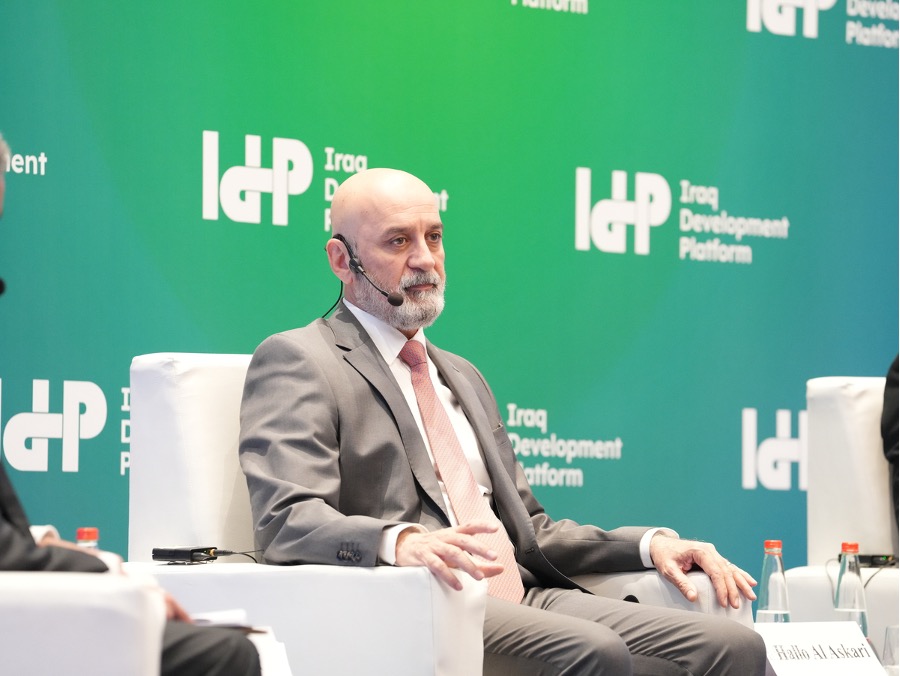
Weak Monitoring Systems and Delayed Projects
Al-Askari revealed that a project to establish monitoring stations along the Tigris and Euphrates rivers to strengthen water quality surveillance had stalled due to administrative complications, despite reaching advanced procedural stages.
Institutional Coordination Deficits and Data-Sharing Challenges
The Minister acknowledged clear weaknesses in coordination among government institutions, including in data exchange, despite the presence of environmental units within public agencies. He argued that this reflects a broader structural weakness in institutional governance of the water and environmental sectors.
The Need for Stronger Legislation
At the legal level, Al-Askari noted that Environmental Protection and Improvement Law No. 27 of 2009 provides an important framework but requires stricter implementing regulations to ensure compliance. He stated that “the law exists, but it requires stricter enforcement instructions, particularly against entities discharging untreated water”. He stressed that obliging institutions to treat wastewater before discharge remains essential for reducing pollution and strengthening environmental compliance.
A Constitutional Gap in Water Governance
The discussion also raised concerns regarding the absence of a clear constitutional provision governing water resources, unlike oil and gas which enjoy constitutional protection. Participants questioned why water, despite being essential for life, does not receive equivalent constitutional recognition. As one intervention noted, “if there is no water, there is no life, so how can oil and
gas receive constitutional protection while water is not given the same importance?”.
Torhan Al-Mufti, Advisor to the Prime Minister for Water Affairs
Historical Neglect of the Water File
In this context, Torhan Al-Mufti pointed to a chronic structural imbalance reflected in the historical failure to prioritise water issues across successive governments, including during the drafting of the constitution. He explained that “the issue of water was not taken seriously by previous governments, even during the writing of the constitution”.
He argued that this neglect is linked to Iraq’s historical self-perception as the “Land Between Two Rivers”, which reinforced assumptions of water abundance and weakened long-term strategic planning. As he noted, “because of this perception, water was not given the weight it deserved”.
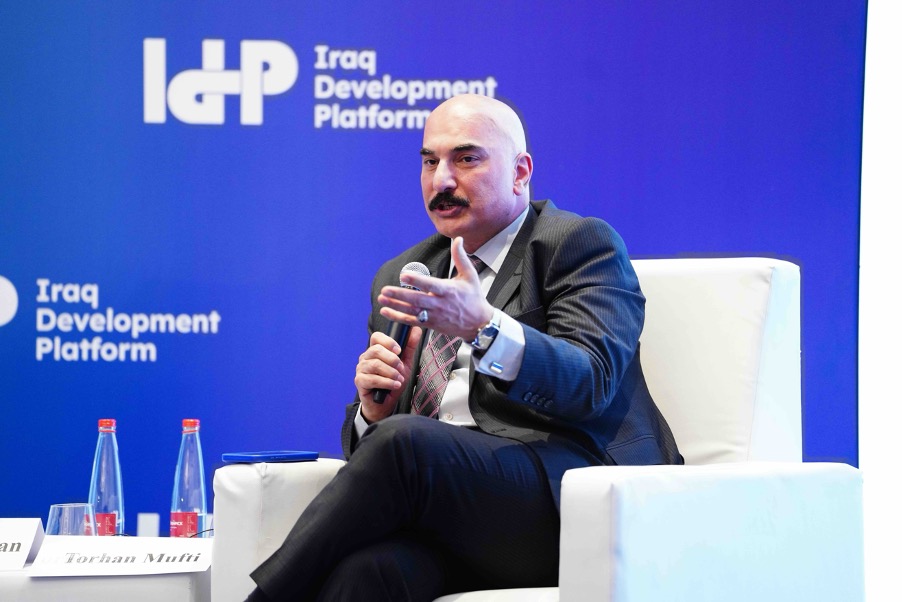
Weak International Agreements and External Dependence
Al-Mufti highlighted limitations in the international legal framework governing Iraq’s water resources. Existing arrangements remain largely confined to the 1946 Good Neighbourliness Agreement with Türkiye and several limited understandings with Iran. Iraq depends on Türkiye and Iran for approximately 75% of its water resources, despite the absence of comprehensive binding agreements, reflecting both the fragility of Iraq’s negotiating position and its structural dependence on upstream states. He stressed that “successive Iraqi governments did not give the water issue the importance it truly deserved”.
Environmental Transformations, Declining Water Resources, and Weak Governance
Al-Mufti drew attention to major environmental changes affecting Iraq’s water resources, including the disappearance of historical rivers that once fed into Iraq and remained active until the early twentieth century, illustrating the scale of climatic and environmental transformation. He further noted that the rainfall belt has shifted northward by approximately 110 kilometres, reducing reliance on rain-fed agriculture, and accelerating desertification, thereby threatening agricultural land and food security.
At the institutional level, he stressed that the absence of unified decision-making remains a key challenge, with water governance suffering from fragmented authority and weak coordination. Participants emphasised that “unity of decision-making on water issues is extremely important, and this can only be achieved through a National Water Council”, noting that attempts to establish such a body date back to 2011 but were never completed due to political and administrative constraints.
The Turkish Perspective on Water Security: Sustainability and Cooperation in Managing Transboundary Resources
Moderator Adel Sharif highlighted the long-standing historical relationship between Iraq and Türkiye, noting that both countries will remain neighbours despite increasing climate-related pressures on shared water resources.
He acknowledged Iraq’s recognition of Türkiye’s water needs, particularly for hydropower generation, and the complexity of international legal frameworks governing transboundary rivers. He directed a question to the Turkish Ambassador on how principles of neighbourliness and cooperation could be translated into practical mechanisms to secure water flows to Iraq and strengthen bilateral coordination in addressing escalating climate challenges.
Anil Bora Inan, Turkish Ambassador to Iraq
Water as an Element of Cooperation and Shared Responsibility
Responding to the moderator’s question on Iraqi-Turkish relations and the message intended for the Iraqi public, particularly younger generations, the Turkish Ambassador to Iraq, Anil Bora Inan, emphasised that water should not be approached as an instrument of pressure or coercion, but rather as “a humanitarian issue” grounded in long-standing neighbourly relations and shared historical ties between the two countries. He underlined that transboundary water resources should be addressed within a framework of cooperation rather than competition, reflecting mutual interdependence among riparian states.
He stressed that efficient water use constitutes a “shared responsibility”, highlighting the importance of fair, reasonable, and optimal management of water resources in a way that serves the interests of all parties. He also called for the modernisation of water and wastewater infrastructure, alongside greater public awareness regarding rational water consumption.
He further noted that Turkey had made significant efforts during recent drought periods to meet downstream water needs, despite domestic water stress affecting several Turkish cities, including Ankara and other major urban centres during peak summer months. Nevertheless, he emphasised that addressing the water crisis cannot rely solely on increased releases but must also take into account environmental degradation and worsening climatic conditions across the region.
The Ambassador concluded by reaffirming Turkey’s intention to implement signed understandings in practical terms, while expressing hope for “concrete measures” from the Iraqi side to support joint cooperation on this critical issue.
Legal Framework and Administrative Challenges in Water Cooperation
The discussion addressed the legal nature of the water cooperation framework signed in November 2024, with participants broadly agreeing that it does not constitute a binding agreement, but rather a non-binding framework for cooperation. It was clarified that “what was presented is not an agreement, but a project, and not even a memorandum of understanding”. Participants also confirmed that the framework had not been submitted to the Iraqi Parliament, thereby lacking formal legal status.
At the same time, the debate highlighted the challenge of balancing external cooperation with internal institutional constraints. While Iraq expressed interest in benefiting from international expertise, particularly through cooperation with Turkey, significant challenges remain linked to limited technical capacity and financial constraints. As noted during the session, “we do not possess sufficient capacity to organise this issue, in addition to other challenges, most notably the financial aspect”, underscoring the need to strengthen domestic institutional capabilities in parallel with regional engagement.
Aoun Thiab - The Regional Dimension and the Fair Distribution of Burdens
Within the regional context, participants emphasised that Iraq’s water crisis cannot be separated from broader regional water scarcity, with both upstream and downstream states facing increasing pressures. It was noted that “we are facing a complex problem related to water shortages across the entire region”, reflecting the shared and transboundary nature of the challenge.
The discussion further highlighted concerns regarding the equitable distribution of water-related burdens, calling for cooperative frameworks that ensure a fair sharing of resources and responsibilities. Such approaches were presented as essential to strengthening regional stability and supporting sustainable water governance.
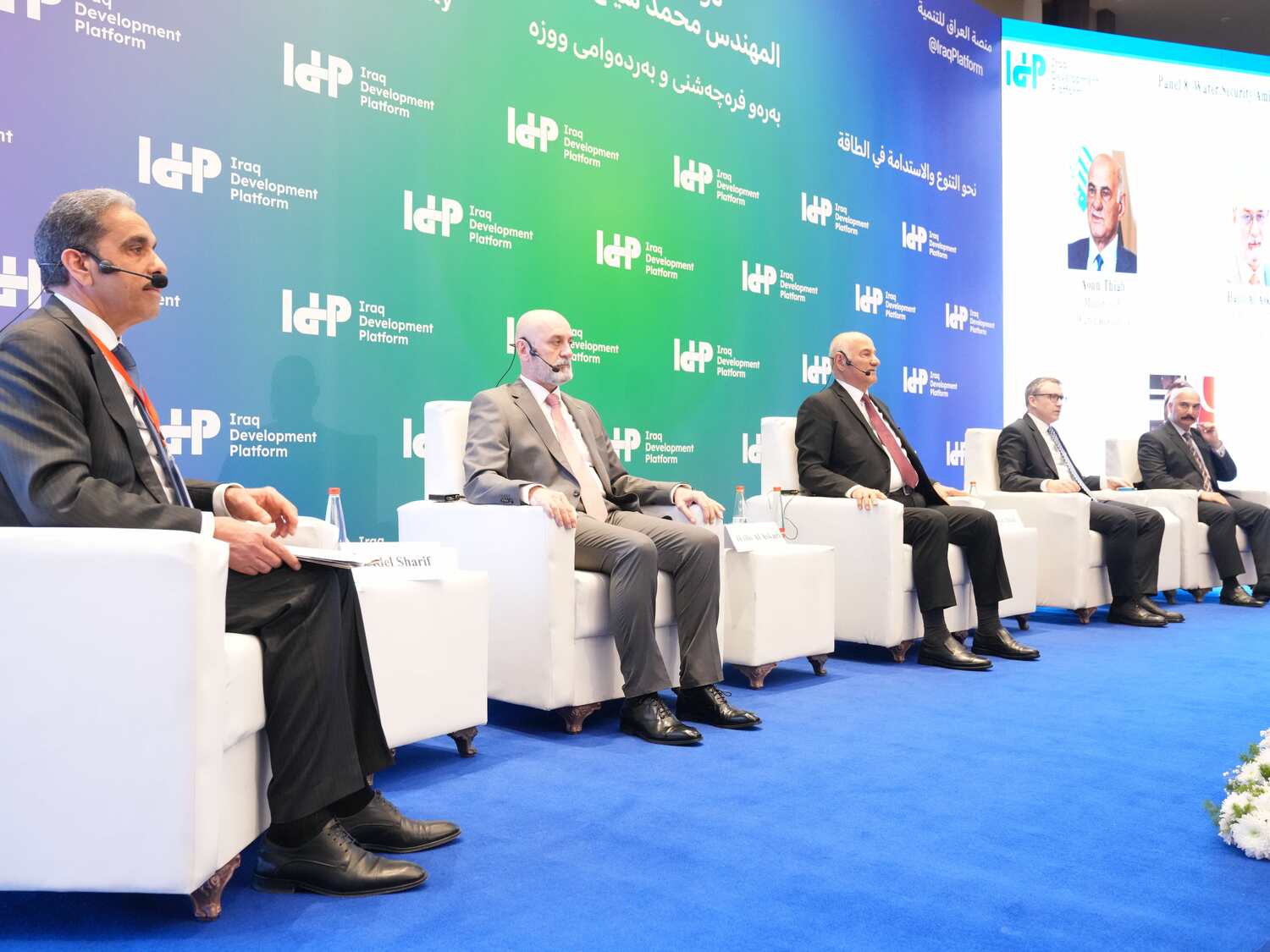
Hallo Al-Askari - Environmental Challenges, Desertification, and Governance Reform
Hallo Al-Askari addressed the escalation of environmental degradation in Iraq, particularly desertification and the loss of agricultural land, stressing that the crisis requires integrated environmental, legislative, and institutional responses. He noted that “if you ask about capabilities, we lack vehicles, fuel, personnel, and technology”, underscoring constraints.
He stressed the need to modernise legal frameworks, arguing that current environmental legislation is no longer sufficient to address the scale of emerging challenges. Ongoing efforts include river monitoring, anti-desertification projects in southern governorates, and participation in regional climate initiatives such as the Middle East Green Initiative.
Absence of Unified Governance and Institutional Activation
The discussion highlighted the lack of a unified national approach to water governance, with participants noting that existing mechanisms remain underutilised despite prior institutional decisions. This was presented as a structural gap in coordination and implementation capacity.
Participants emphasised the importance of reactivating established frameworks, including the 2013 Supreme Council for Combating Dust Storms and Desertification, which also includes a dedicated financial fund. Strengthening such institutions was identified as a key step toward improving coordination and policy effectiveness.
Anil Bora Inan - Framework Agreement and Policy Coordination in Water Management
The Turkish Ambassador clarified that the 2024 Iraq-Turkey framework is an officially recognised agreement, approved by both sides, and not merely a memorandum of understanding. He emphasised its role in structuring bilateral cooperation on water management.
He stressed that Turkey does not seek to manage Iraq’s internal water resources, which remain a sovereign matter, but highlighted the importance of “policy harmonisation,” particularly in agriculture and water use. He added that water constraints require coordinated regional approaches to resource management.
The exchange also reflected differing interpretations of the agreement’s legal framing, with the Ambassador reaffirming that Turkey considers it a structured bilateral agreement designed to guide long-term cooperation.
Torhan Al-Mufti - The Need for a Comprehensive National Effort
Torhan Al-Mufti stressed that addressing Iraq’s water crisis requires broad societal engagement beyond government action, particularly given the limited adoption of modern irrigation technologies despite their availability. He noted that areas using modern systems do not exceed approximately 400,000 dunams, compared to a potential capacity of nearly 5 million dunams, highlighting a significant implementation gap.
He stated that “there is resistance to change among some groups, and this requires a national media and awareness effort,” emphasising the role of civil society, farmers’ unions, media, and professional associations in promoting water-conscious practices.
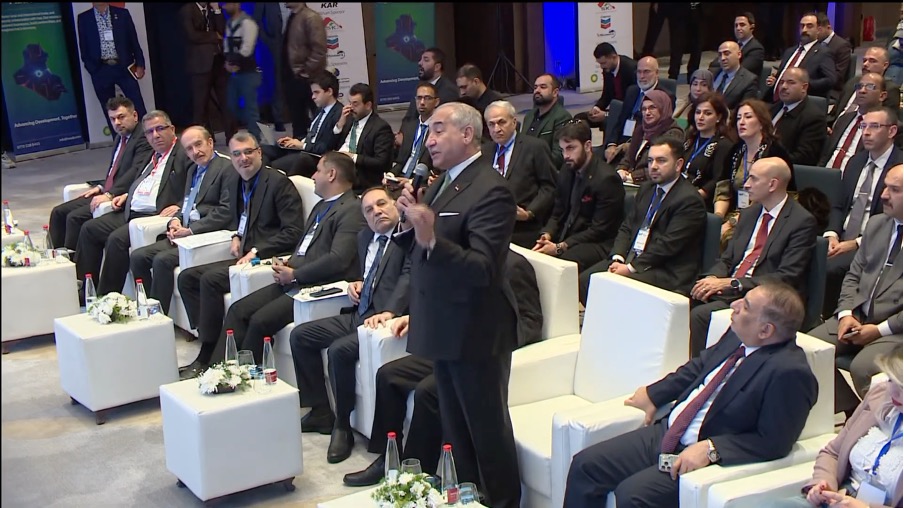
Transformation in Water Governance and Negotiation Frameworks
Al-Mufti underlined the need to shift from traditional flood management approaches towards managing water scarcity under current climatic realities. He clarified that the “framework of understanding” is not a binding agreement but a memorandum of understanding building on earlier arrangements, including the 2014 agreement and 2024 framework, describing it as “a historic step” introducing sustainability as a guiding principle in negotiations.
He explained that the Joint Planning Committee, chaired by the Minister of Foreign Affairs, oversees more than 26 agreements and memoranda, reflecting the complexity of water governance. The framework aims to define sustainable flows in the Tigris and Euphrates and establish fair sectoral allocations.
Water Allocation and Sectoral Consumption
Al-Mufti noted that approximately 85% of water resources are consumed by agriculture, while domestic use accounts for 10 - 15%, underscoring the need for efficiency improvements and wider adoption of modern irrigation.
He added that the framework has not yet entered into force due to the caretaker government phase following its signing on 2 November, delaying implementation. Its future depends on subsequent governmental action to operationalise its provisions.
Water-Energy Nexus and Resource Governance
The session highlighted the structural interdependence between water and energy, noting that oil production requires significant water inputs, placing additional pressure on scarce resources as production targets rise. This reinforces water as a core determinant of Iraq’s long-term economic sustainability.
Water Protection Policies and Industrial Use
The government has adopted a policy prohibiting the use of freshwater in oil operations, prioritising its allocation for domestic needs. Alternative sources such as seawater and saline groundwater are increasingly being used for industrial purposes, including enhanced oil recovery.
Desalination and Strategic Resource Separation
Iraq is advancing desalination projects to supply the oil sector with non-potable water, particularly for injection processes, as part of a broader strategy to separate industrial and drinking water systems. However, this transition requires significant investment and stronger inter-sectoral coordination between water and energy institutions.
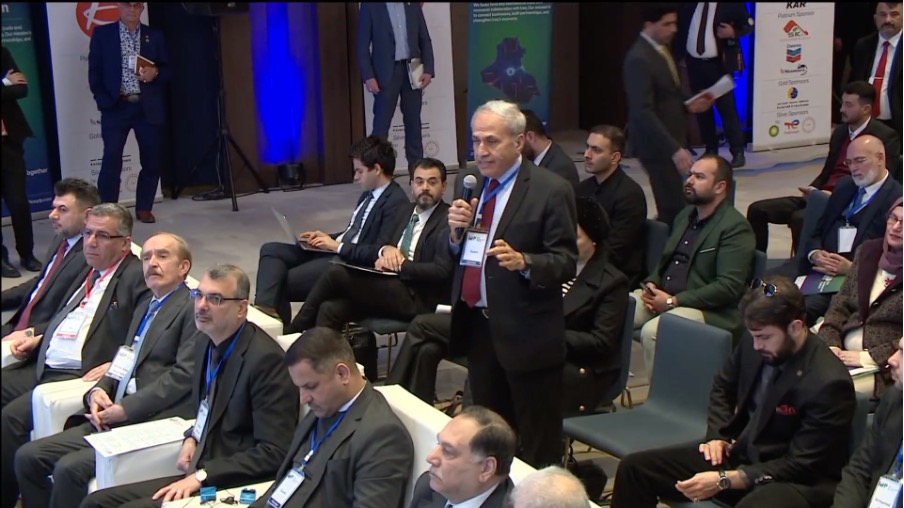
Groundwater Governance and the Reprioritisation of Water Use
The session highlighted the strategic importance of groundwater, with renewable reserves estimated at approximately 5.2 billion cubic metres annually. While still supporting agriculture, particularly in desert regions, declining groundwater levels in northern and western Iraq have led to a reassessment of usage priorities.
A clear policy shift is emerging towards reducing agricultural reliance on groundwater and prioritising its allocation for drinking water to safeguard long-term sustainability.
Reforming Consumption Patterns and Managing Demand
Significant inefficiencies were also identified in urban water consumption. Daily per capita use in Baghdad reaches approximately 650 litres, compared with around 150 litres in London and 50 litres in Jordan, highlighting major disparities in efficiency.
This underscores the need for both behavioural and administrative reform in water demand management. Participants stressed the importance of shifting from a perception of abundance to one of scarcity, stating that “we must move from the concept of water abundance to the concept of scarcity”, to support conservation and efficiency-driven policies.
Hallo Al-Askari - Environmental Responsibility, Ind. Compliance, & Environ. Governance
The Minister of Environment stressed the need to oblige the oil sector to recycle water used in drilling, production, and refining processes due to its high consumption levels. He called for stronger environmental oversight and improved regulatory frameworks to reduce environmental impacts and ensure sustainable water use across industrial sectors.
Concluding Remarks - Environmental Protection and Institutional Coordination
Al-Askari emphasised that environmental protection begins with individual behaviour, arguing that public attitudes toward cleanliness and sustainability reflect broader societal awareness. He noted that the Ministry’s role is primarily supervisory, focusing on monitoring air, water, and soil pollution, while implementation lies with sectoral ministries, requiring stronger inter-institutional coordination.
He highlighted serious field-level challenges, including the identification of 17 pollution discharge points along a single stretch of the Tigris River. Addressing this, he called for coordinated action between the Baghdad Municipality, the Ministries of Construction and Housing, Water Resources, and Environment through monitoring, enforcement, and legal measures. He stressed that “environmental protection cannot be achieved except through organised collective action combining oversight, implementation, and public awareness”.
Torhan Al-Mufti - National Water Council and Regional Cooperation
Al-Mufti stated that the draft law establishing the National Water Council remains a key strategic priority, though still pending parliamentary approval. He noted expectations that it may be passed in the next legislative session due to its importance in unifying national water governance.
He explained that “the approval of the National Water Council represents a fundamental step toward unifying decision-making before strengthening water relations with neighbouring countries”. He also referred to the “Blue Peace in the Middle East” initiative as a platform for regional cooperation and data-sharing among basin countries, including Iraq, Türkiye, Iran, Syria, Jordan, and Lebanon.
Technology and Artificial Rain Enhancement
The session also discussed limited use of advanced technologies such as cloud seeding. Participants noted that artificial rain enhancement can increase rainfall by up to 20% under suitable conditions but remains highly dependent on meteorological factors.
It was emphasised that “the effectiveness of cloud seeding remains limited and depends largely on the type and availability of suitable clouds”. A specialised centre has been established under the Prime Minister’s Office, with potential pilot areas identified in Sinjar, parts of the Kurdistan Region, and Kirkuk.
Recommendations of Session Eight
First: Strengthening Water Governance and Unified Decision-Making
- Accelerate the approval and activation of the National Water Council.
- Unify authorities within an integrated governance framework for planning, distribution, and oversight.
- Develop effective coordination mechanisms among relevant institutions.
Second: Integrated Planning Across Water, Energy, and Food Sectors
- Adopt the water–energy–food nexus approach in development planning.
- Align economic expansion plans with the actual carrying capacity of water resources.
- Integrate climate considerations into long-term sectoral planning.
Third: Infrastructure Development and Reduction of Water Losses
- Modernise water transmission and distribution networks.
- Reduce reliance on open canals and expand the use of closed systems.
- Expand the adoption of modern irrigation technologies.
Fourth: Regulating Water Use in Productive Sectors
- Prohibit the use of freshwater in oil production operations.
- Require industrial and oil sectors to recycle water.
- Improve water-use efficiency in high-consumption sectors.
Fifth: Environmental Monitoring and Climate Adaptation
- Expand and modernise water quality monitoring stations.
- Develop a unified environmental data system.
- Invest in climate adaptation technologies.
- Establish national standards for evaluating cloud-seeding technologies and hydrological monitoring systems.
Sixth: Water Diplomacy and Regional Cooperation
- Strengthen regional cooperation and data exchange with upstream countries.
- Support joint initiatives for the sustainable management of transboundary resources.
- Enhance regional negotiation frameworks related to water issues.
Seventh: Public Awareness and Legislative Reform
- Launch national programs to promote water conservation.
- Update environmental and water legislation and strengthen penalties for violations.
- Increase public awareness of sustainable consumption practices.
Eighth: Water Security and Long-Term Strategic Planning
- Develop a national water security strategy extending to 2035–2050.
- Establish a strategic roadmap that takes climate change and population growth into account.
- Adopt a comprehensive strategic vision for water resource management.
Day Two - Energy Transition and Perspectives
Session Nine
Managing Change: The Future of Energy in Iraq Amid a Changing Middle East
- Hisham Al-Alawi, Deputy Minister of Foreign Affairs
- Klemens Semtner, Ambassador of the European Union to Iraq
- Irfan Siddiq, British Ambassador to Iraq
- Khogir Wirya, Senior Researcher at MERI, Session Moderator
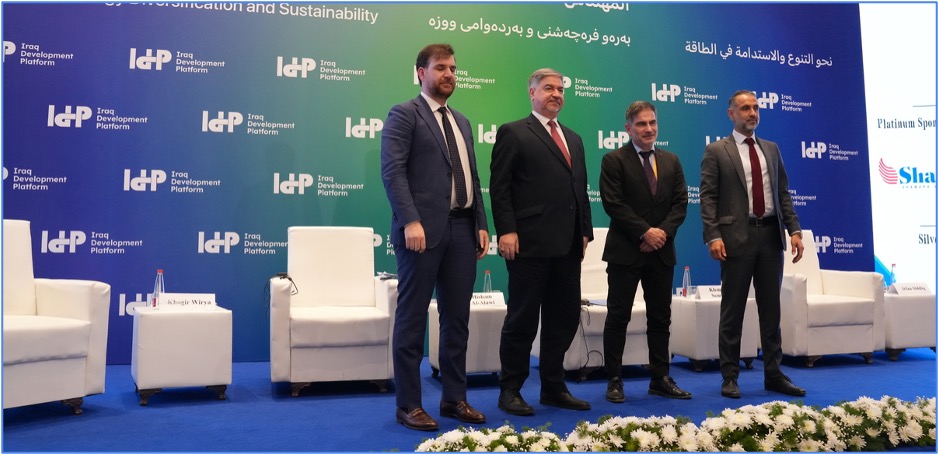
Discussion Framework
In opening the ninth session, moderated by Khogir Wirya, participants stressed that ongoing transformations in the Middle East extend beyond political and security dimensions, and are increasingly shaping energy futures, economic reform, and regional cooperation frameworks.
The session focused on the interlinkages between energy, economic stability, and regional diplomacy as mutually reinforcing factors influencing Iraq’s position within a rapidly evolving regional order.
Discussions also highlighted the strategic importance of cross-border energy and trade projects as tools for economic integration and long-term partnership-building, particularly in the context of heightened energy insecurity and volatile global markets. Regional cooperation was framed not as an option but as a strategic necessity to reduce economic vulnerability and enhance political stability.
Participants further emphasised the role of political and diplomatic coordination in managing regional competition and converting it into opportunities for cooperation, particularly in energy interconnection, infrastructure development, and trade facilitation. Economic reform was presented as a sovereign policy priority essential for strengthening state resilience and adapting to geopolitical change.
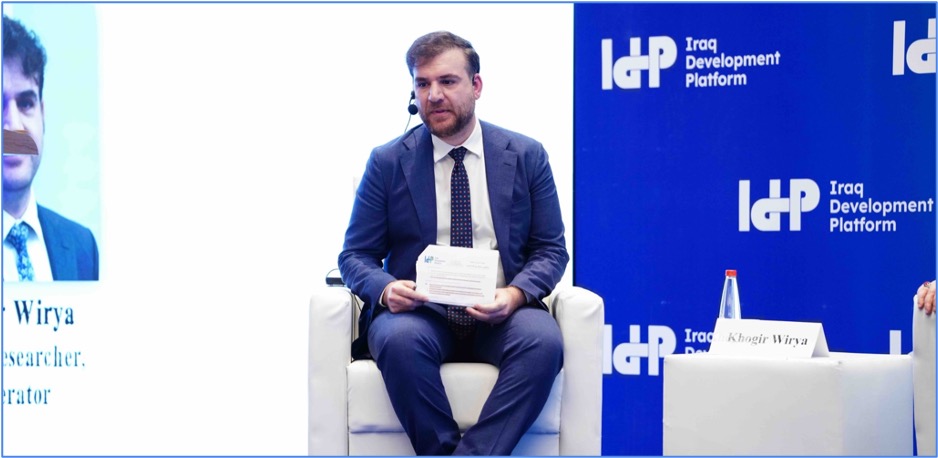
The session also highlighted Iraq’s emerging role as a regional energy actor, drawing on its resource base and strategic location to contribute to regional energy stability and deeper economic interdependence with neighbouring states.
It was concluded that energy policy can no longer be addressed in isolation but must be embedded within an integrated framework combining political, diplomatic, and security dimensions, reflecting Iraq’s evolving geopolitical position in the region.
Hisham Al-Alawi, Deputy Minister of Foreign Affairs
Energy at the Intersection of Politics and Security
The Deputy Minister of Foreign Affairs, Hisham Al-Alawi, emphasised that energy is no longer purely an economic sector, but a strategic domain where national security, foreign policy, and regional stability intersect. This requires redefining Iraq’s energy vision within a broader framework of geopolitical integration.
Energy Sector as an Economic and Sovereign Pillar
Al-Alawi stressed that the energy sector is the backbone of the Iraqi economy and a key source of public revenue, noting significant government investment in its development. He stated that “the energy sector in Iraq is the most important sector, and successive governments have invested significant resources in its development”.
He explained that the sector includes oil, gas, electricity, and renewables, though these components remain uneven in development.
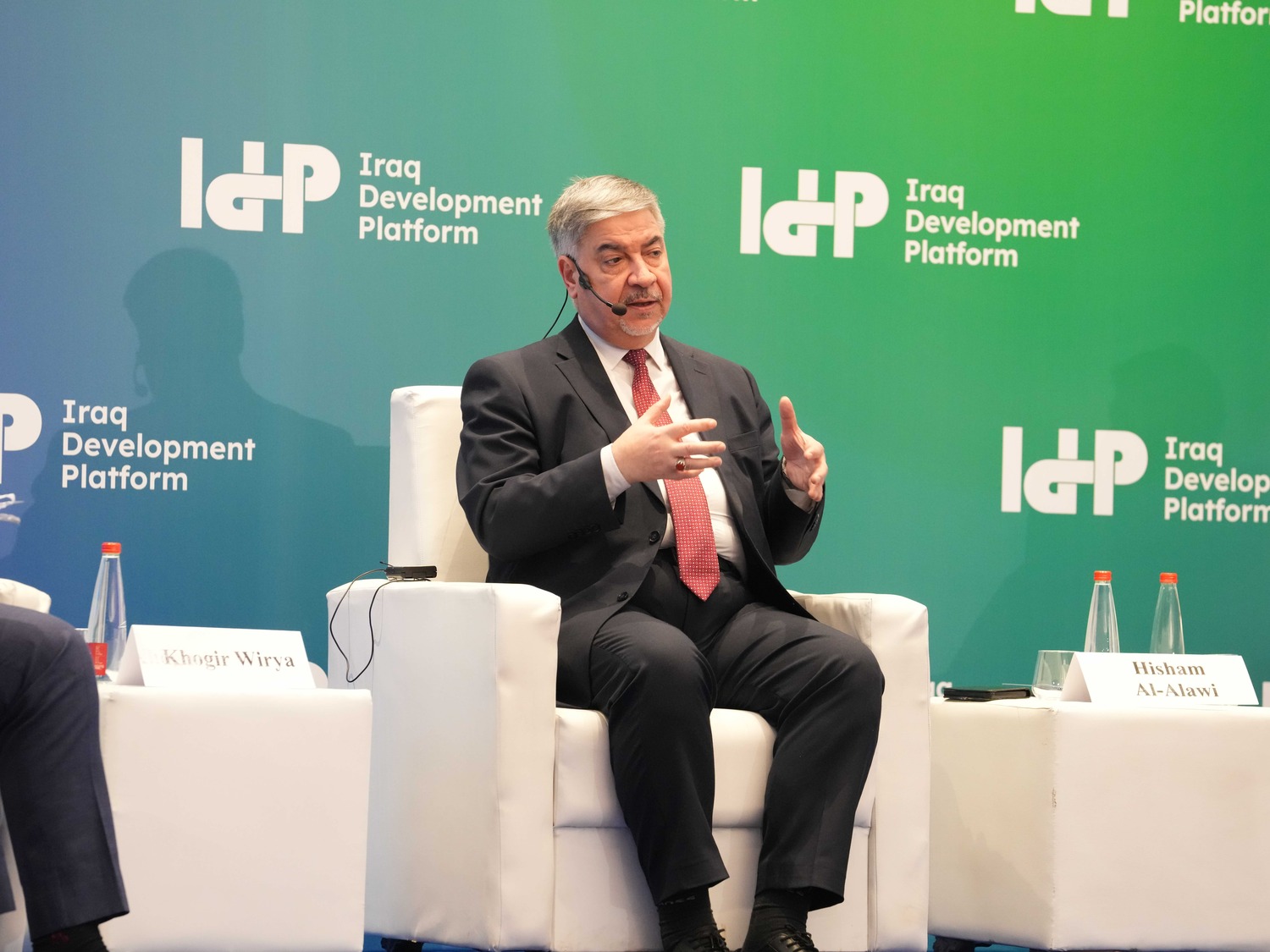
Oil Dependence and Structural Vulnerability
Despite Iraq’s estimated oil reserves of around 145 billion barrels and its position as a major OPEC exporter, heavy reliance on oil remains a structural vulnerability. Al-Alawi noted that around 90% of the federal budget depends on oil revenues.
He also highlighted the concentration of exports in Asian markets, pointing to limited diversification and the need to expand Iraq’s energy and trade linkages globally.
Value Addition and Gas Sector Reform
Al-Alawi stressed the importance of moving from crude oil exports toward higher value-added production through developing the petrochemical sector, expanding refining capacity, and strengthening strategic investment partnerships. He argued that this shift is essential for economic diversification and increasing non-oil revenues.
Regarding gas, he noted that Iraq holds significant reserves, yet continued flaring of associated gas represents both an economic loss and an environmental challenge. He emphasised the need to increase gas production to meet domestic demand, particularly for electricity generation, stating that “we need to increase gas production to meet domestic demand and reduce reliance on imports.” He also indicated the potential for self-sufficiency by 2027-2028.
Electricity Sector: Structural Imbalances and Growing Pressure
Al-Alawi highlighted persistent challenges in the electricity sector, noting that despite large-scale investments, a structural gap between supply and demand remains.
He explained that electricity demand is growing rapidly, at times exceeding 15% annually, outpacing generation capacity and sustaining chronic shortages. He also pointed to financial inefficiencies, with state spending estimated at 10-15 billion USD annually, alongside weak revenue collection.
The Deputy Minister concluded that addressing these challenges requires comprehensive reform, including improving generation and distribution efficiency, restructuring tariffs, and strengthening billing and collection systems.
Klemens Semtner, EU Ambassador to Iraq
The Challenge is Sustainability, Not Resources
Ambassador Klemens Semtner stated that Iraq’s main challenge is not a lack of resources, but achieving sustainability and resilience in its energy system, alongside improving regional
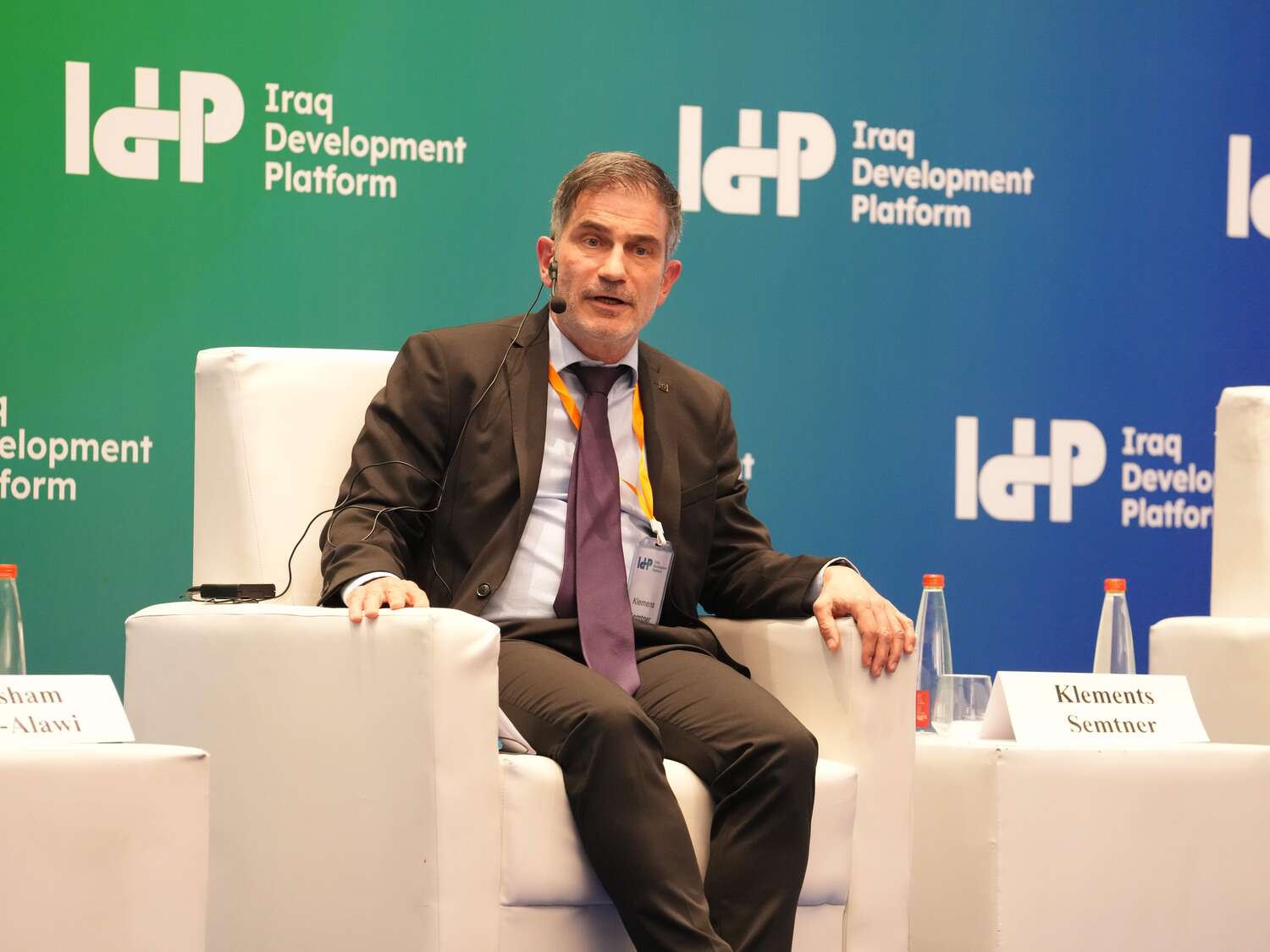
interconnections and cost efficiency. He described the current model as “unsustainable”, particularly given rapid population growth, from around 20 million in 2003 to nearly 46 million today, placing increasing pressure on energy demand and public services.
Oil Dependence, Water Stress, and Climate Impacts
The Ambassador warned against overreliance on oil revenues, noting that while increased production may serve as a transitional measure, it cannot be a long-term solution.
He also highlighted the link between oil production and water use, stating that “every litre of oil requires around three litres of water”, which intensifies pressure on already scarce resources.
He further stressed that Iraq is highly vulnerable to climate change, with significant social impacts, including displacement. He noted that “UN figures indicate around 170,000 Iraqis have been forced to leave their homes due to climate change”.
EU Support for Energy Transition
Semtner explained that the EU supports Iraq’s gradual transition toward renewable energy rather than continued dependence on oil and gas. He stated, “we see our role as helping Iraq transition safely from reliance on oil and gas to renewable energy”.
This includes support for electricity infrastructure, legal and regulatory frameworks, transparency, and sustainable financing mechanisms.
He also referred to pilot renewable energy projects aimed at demonstrating practical applications and building public confidence, alongside approximately €60 million in EU support for Iraq’s energy transition.
Irfan Siddiq, British Ambassador to Iraq
Required Reforms to Strengthen Investor Confidence
The British Ambassador to Iraq, Irfan Siddiq, stressed that improving Iraq’s investment environment begins with addressing macroeconomic imbalances that directly affect investor confidence.
He explained that a growing gap exists between rising public expenditure and slower revenue growth, stating that “spending in Iraq continues to rise, while the revenue base does not keep pace with this increase, and this represents a fundamental challenge for any investment”. He noted that this imbalance limits fiscal space and weakens Iraq’s attractiveness to investors.
Financial Sustainability and Project Financing Challenges
The Ambassador emphasised that achieving a sustainable balance between expenditure and revenues is essential for financing large infrastructure projects, particularly in the energy and water sectors.
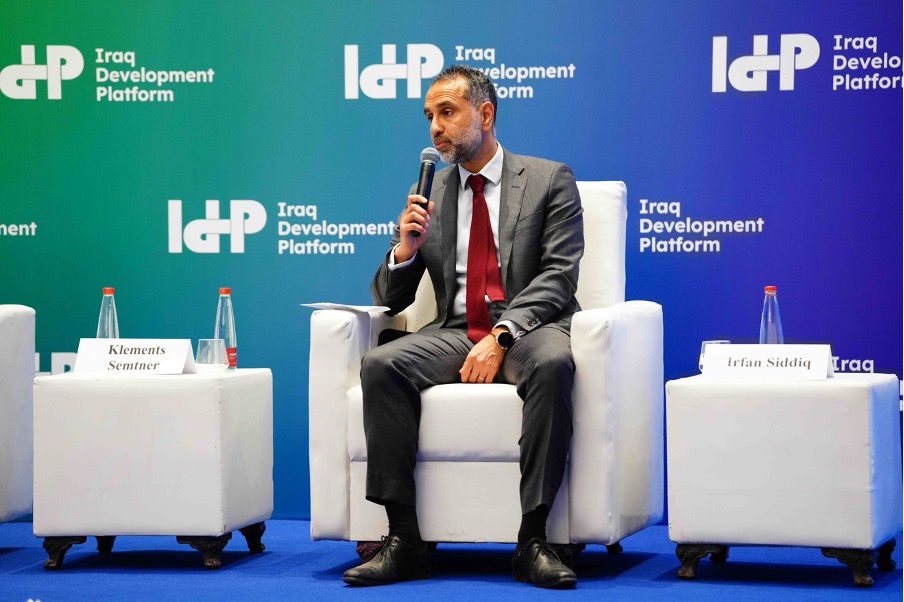
He noted that while international financing mechanisms exist, including support from export credit agencies and the UK government, implementation remains constrained. He stated that “we have presented many financing offers, but they have encountered challenges related to bureaucratic procedures and political complexities”, highlighting the gap between available financing and its execution on the ground.
Governance, Transparency, and Political Stability as Key Factors
Siddiq emphasised that improving governance and strengthening transparency are essential conditions for attracting international investment, as investors require a clear and stable policy and regulatory environment.
He explained that reliable institutional frameworks for financing and project implementation reduce risk and enhance confidence in the Iraqi market. He also highlighted the importance of political stability in investment decisions at both domestic and regional levels, noting that “issues related to political stability and regional influence directly affect investor confidence”.
The Role of the Next Government in Building Trust
The Ambassador concluded that the next government has a significant opportunity to strengthen investor confidence through clear reform measures, stating that “confidence can be built through the actions taken by the next government, and this will determine Iraq’s attractiveness for investment in the coming phase”.
He added that progress in economic reform, combined with improved political stability, will be decisive in attracting international capital.
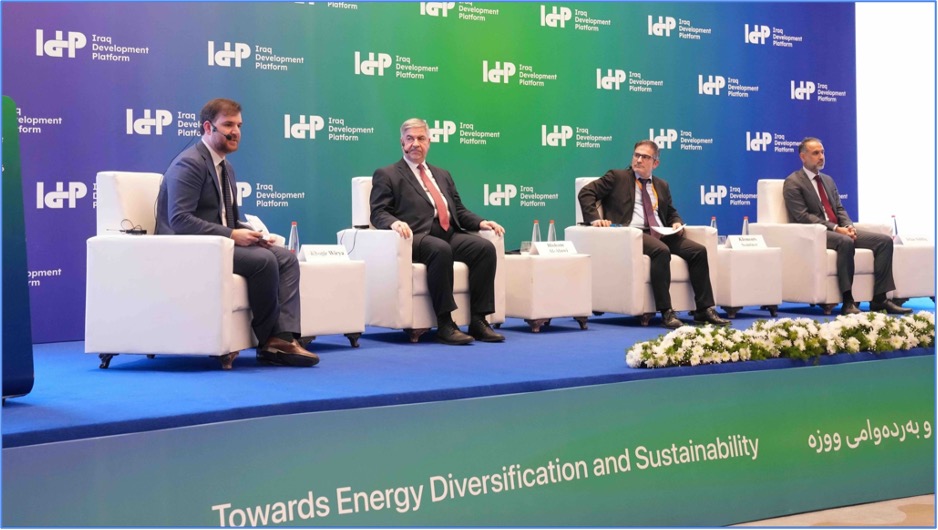
Hisham Al Alawi - Reducing Dependence on Iranian Gas and Diversification Strategy
Hisham Al-Alawi stated that Iraq has begun a practical shift toward reducing dependence on Iranian gas through a multi-track strategy aimed at strengthening energy sovereignty. He noted that “the Iraqi government is working on several levels to reduce dependence on gas imports from Iran”.
This includes increasing the utilisation of associated gas and reducing flaring, with current processing rates at around 70% and a target of zero flaring by 2027. The strategy also involves upgrading southern port infrastructure to enable LNG imports from alternative suppliers such as Qatar, alongside exploring options such as Turkmenistan, despite logistical constraints.
He added that pipeline projects via Syria were previously considered but are currently unfeasible due to regional instability, noting that stability in Syria is a prerequisite for any future reactivation. Iraq continues to explore gradual diversification through partnerships with Jordan, Egypt, Saudi Arabia, and Türkiye.
Klemens Semtner - EU Perspective on Regional Energy Integration
EU Ambassador Klemens Semtner noted that regional energy integration offers significant potential but requires strong infrastructure and clear cooperation frameworks, stating that “the electricity grid is one of the main constraints currently holding back development”.
He added that weak infrastructure, limited transparency, and unclear investment frameworks remain major obstacles for investors and financial institutions, constraining regional integration.
Semtner further stressed that successful cross-border energy interconnection requires risk-sharing among countries, supported by a stable investment environment and sustained reform efforts.
From Agreements to Implementation: The Gap Between Design and Execution
British Ambassador Irfan Siddiq stated that Iraq’s main challenge is not a lack of agreements, but weak implementation. He noted that the UK’s £12 billion investment package has so far seen only around £0.5 billion implemented one year after signing, while many projects remain pending approval.
He explained that key obstacles include limited domestic financing, bureaucracy, political interference, and weak administrative capacity. He also pointed out that strategic projects in water, solar energy, and electricity interconnection remain at early stages despite their importance.
The Ambassador stressed that progress in the energy sector requires strong government commitment, improved investment conditions, and financial stability, adding that limited public funding increases reliance on international partnerships. He concluded that success depends on political will, economic stability, and implementation efficiency, expressing hope for accelerated delivery by the next government.
Hisham Al-Alawi - Governance Reform and Accelerating Implementation
The Deputy Minister acknowledged administrative and financial constraints affecting implementation, stressing that governance reform is a priority for the next government. He stated that “improving governance and reducing bureaucracy is essential to achieving progress.”
He emphasised stronger accountability, better institutional coordination, and legal reforms, particularly the enactment of a Public-Private Partnership (PPP) law as a key tool for unlocking investment.
Al-Alawi added that such reforms are necessary to activate existing agreements and attract new investment across energy, agriculture, industry, and tourism sectors, expressing optimism about improved implementation in the next government phase.
The Interlinkage Between Water and Energy: A Structural Challenge
An intervention from the audience highlighted the deep structural interdependence between oil, electricity, and water systems in Iraq, raising questions about how this nexus is managed and what future policy direction is required.
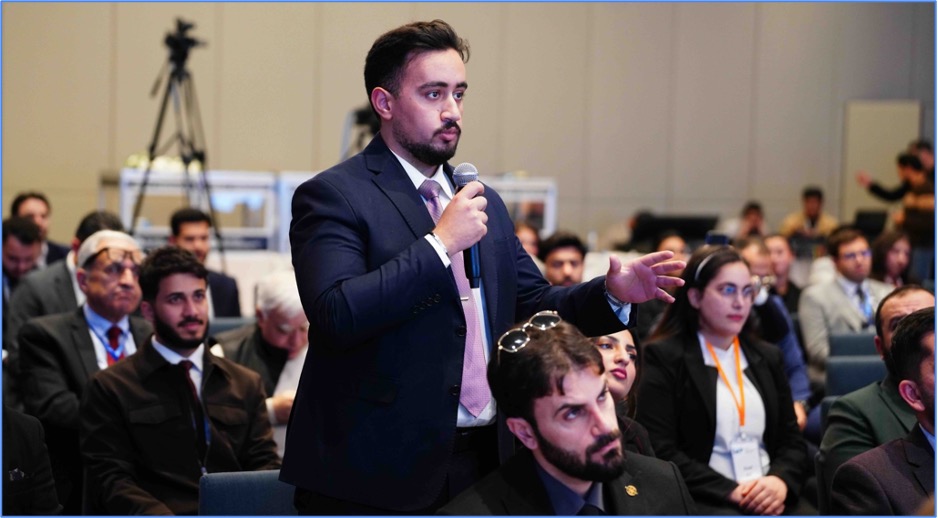
In response, session moderator Adel Sharif stated that the core of Iraq’s water crisis lies in resource management rather than physical scarcity, emphasising technology as the most viable solution. He stated that “technology will solve most of Iraq’s water problems.”
He called for greater investment in desalination, reuse, and recycling systems, citing Gulf countries as reference models, and argued that these approaches are more effective than low-impact solutions such as artificial rainfall.
Klemens Semtner - Energy Transition and Electricity Sector Reform: Standards and Policy Challenges
Responding to questions on EU policy, EU Ambassador Klemens Semtner emphasised that the energy transition approach is not intended to limit Iraq’s development choices, but to support a gradual, partnership-based transformation. He stated that “we are not asking Iraq to limit the development of its resources, but rather supporting a gradual transition toward a more sustainable system”.
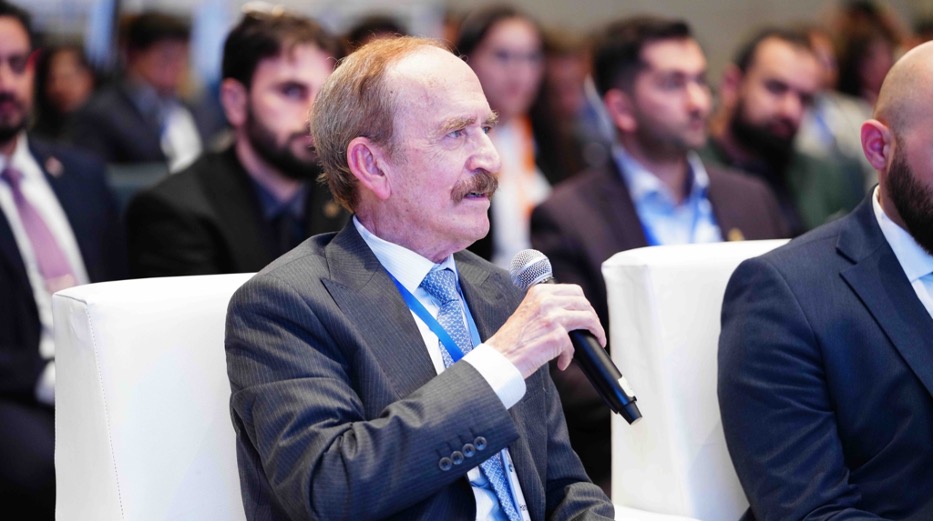
Hisham Al-Alawi stressed that the core problem in the electricity sector is political and institutional, stating that “we need a strong government and a courageous minister to enforce electricity bill collection”.
Hisham Al-Alawi - Water Diplomacy and Transboundary Challenges
Al-Alawi reviewed Iraq’s regional water relations, noting that existing agreements with Turkey and Syria remain partially implemented. He explained that the Euphrates agreement provides for a minimum release of 500 cubic meters per second, while the Tigris agreement is based on “fair and equitable distribution” without fixed quantitative allocations.
He highlighted that Iraq’s water inflows have declined by around 40-50% due to upstream development projects, resulting in critically low reserves.
Al-Alawi called for a bilateral approach with Turkey based on clearly defined measurement points, such as Fishkhabur, alongside joint projects to improve water-use efficiency. He described this as a “win-win solution” within existing agreements and future implementation frameworks.
Session Nine Recommendations
First: Governance and Institutional Reform
- Strengthen institutional coordination and accelerate administrative and regulatory reforms.
- Establish effective implementation and monitoring mechanisms and activate key legislation.
- Enact and operationalise the Public-Private Partnership (PPP) law.
Second: Improving the Investment and Financing Environment
- Enhance transparency and regulatory stability.
- Develop innovative financing instruments and attract long-term investments.
- Address the gap between signed agreements and actual project implementation.
Third: Energy Diversification and Gradual Transition
- Expand investment in renewable energy.
- Continue developing oil and gas while maximising value addition.
- Adopt a gradual transition approach balancing development and sustainability.
Fourth: Reform of the Gas and Electricity Sectors
- Prioritise associated gas capture projects and reduce flaring.
- Develop transitional import alternatives and strengthen energy independence.
- Upgrade electricity infrastructure and improve billing and tariff systems.
- Enhance regional electricity interconnection and reduce technical and commercial losses.
Fifth: Integrating Water and Energy in National Planning
- Integrate water resource management into energy sector planning.
- Reduce the use of fresh water in industrial operations.
- Invest in reuse and desalination technologies.
Sixth: Technology and Digital Transformation
- Expand the use of technology in energy and water management.
- Support innovation, technology transfer, and artificial intelligence applications.
- Develop data analytics tools to improve efficiency and planning.
Seventh: Regional Integration and Energy Diplomacy
- Support regional cooperation in energy and cross-border interconnection projects.
- Strengthen energy diplomacy as part of long-term energy security.
- Expand regional economic partnerships.
Eighth: Fiscal and Economic Reform and Future Vision
- Rebalance expenditure and revenue and reduce dependence on oil.
- Link energy policies with broader economic reforms.
- Develop a long-term national roadmap for the energy transition.
- Align economic growth objectives with energy security and environmental sustainability.
- Adopt an integrated strategic vision for water resource management.
Closing Statement
Closing Speech of the President of the Iraq Development Platform, Mr. AshtyAladin
In the Name of God, the Most Gracious, the Most Merciful
Ladies and gentlemen,
Excellencies,
Distinguished guests,
Today we conclude the Iraq Energy Conference 2026, after two days of in-depth discussions that moved from diagnosing challenges to proposing realistic solutions, and from general discourse to executive-level thinking. The sessions have confirmed that the future of energy in Iraq is no longer a sectoral file, but a sovereign decision closely linked to the economy, security, water, investment, and social stability.
Based on the discussions held in the specialised sessions, the conference presents the following outcomes and recommendations:
First: Structural Transformation of the Energy Sector and Reduction of Waste
This includes:
- Adopting a clear national pathway to transition from crude oil exports to value-added production through accelerating the development of refineries and downstream industries.
- Targeting the export of at least 40% of oil exports as refined products by 2030.
- Committing to ending associated gas flaring by 2028, through gas capture and processing projects, and linking gas utilisation to electricity generation and petrochemical industries, treating gas as an economic resource rather than an environmental burden.
Second: Electricity Security and Demand Management
This includes:
- Acknowledging that electricity generation has reached unprecedented levels, while a gap between supply and demand persists due to inefficient demand management and waste, requiring an integrated technical and investment program.
- Considering electricity stability, a national priority through:
- Expanding private sector participation.
- Accelerating the rollout of smart meters and reforming tariff structures.
- Linking generation projects to environmental sustainability and improving distribution efficiency, directly enhancing citizen experience.
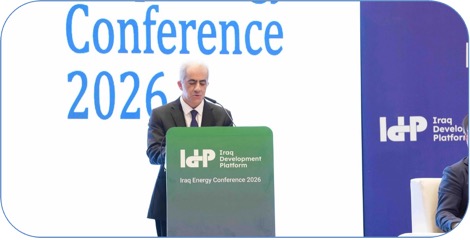
Third: Renewable Energy and Water Security
This includes:
- Adopting a practical roadmap to integrate solar and wind energy into the national energy mix, reducing pressure on the conventional grid and lowering carbon emissions.
- Treating water and energy security as an interconnected file through:
- Investment in smart water infrastructure.
- Ensuring that water scarcity does not negatively impact electricity generation and industrial production.
- Accelerating the approval of a legal framework for water governance and strengthening regional coordination.
Fourth: Financing, Banking, and Investment
This includes:
- Activating green financing tools and expanding public–private partnership models, particularly in clean energy and electricity projects.
- Reforming the banking and financial system to support energy investments through:
- Facilitating access to credit.
- Reducing financing costs.
- Enhancing financial and investment literacy among citizens and businesses.
- Introducing legislative and economic incentives to attract international companies and encouraging integrated projects that reduce risks and accelerate implementation.
Fifth: Regional Cooperation and Iraq’s Geo-economic Role
This includes:
- Strengthening Iraq’s position as a reliable regional partner in energy and transport supply chains, including electricity interconnection and joint energy projects.
- Supporting regional integration policies to mitigate market volatility, based on the firm belief that instability in energy markets serves no party’s interest.
Sixth: Energy as an Engine for National Development
This includes:
- Affirming that energy is not an end, but a driver of comprehensive development across industry, agriculture, transport, education, and health sectors.
- Allocating part of energy revenues to research and development and capacity building, investing in youth, transferring knowledge, and gradually reducing dependence on external expertise.
This conference has demonstrated that Iraq is no longer debating whether to transform, but rather how and when. It has also affirmed that energy can be an instrument of stability and growth, rather than a source of crises.
The recommendations emerging from the Iraq Energy Conference 2026 represent a realistic national roadmap toward a balanced and sustainable energy transition, capable of effectively integrating Iraq into both regional and global economies.
We would also like to extend our sincere gratitude to our sponsors:
- Diamond Sponsor: KAR Company
- Platinum Sponsors: Chevron, Shamara Holding, and South Kurdistan Company
- Gold Sponsor: Crescent Petroleum
- Silver Sponsors: BP, TotalEnergies, and the Central Bank of Iraq
- Media Sponsor: Rudaw Media Network
We also thank the students at the American University of Iraq - Baghdad for their support in the College of International Studies, as well as our colleagues in the organising team for their dedicated efforts.
We hope that the Iraq Energy Conference 2026 has become an important milestone in strengthening cooperation and building effective partnerships that contribute to shaping a more diversified and sustainable energy future for Iraq, and to achieving economic growth that serves the aspirations of its people.
Thank you all. We look forward to meeting again next year.